Ochre Bracket
trametes ochracea
The Ochre Bracket is a type of mushroom that grows on trees and logs. Its colorful, fan-shaped caps can brighten up any forest floor!
Habitat: They live in forests, growing on decaying wood.
The Ochre Bracket has a shelf-like body, often growing in overlapping tiers. Its upper surface displays concentric zones of ochre, yellow, and brownish hues, with a distinct pale or whitish margin. The underside is white, covered in thousands of tiny pores.
Category
FungiRarity
Common
Danger
0/5 · No known danger
Snaps
Be the first to snap!
Even though it's tough, it helps make forests healthier by cleaning up dead trees.
Instead of gills, it has thousands of tiny pores underneath to release its microscopic spores!
It often grows in beautiful overlapping layers, like tiny natural shelves!
This mushroom gets its name from its lovely yellowish-brown color, like the pigment ochre.
Ochre Bracket can break down tough dead wood because it produces special enzymes that help recycle nutrients.
Ochre Bracket has countless tiny pores on its underside that release white spores, helping it spread to new places.
Ochre Bracket can survive harsh weather conditions because its tough, leathery body resists decay and drying out.
Decomposes dead hardwood, recycling nutrients back into the ecosystem.
Quercus robur
Decomposes dead oak wood, returning nutrients.
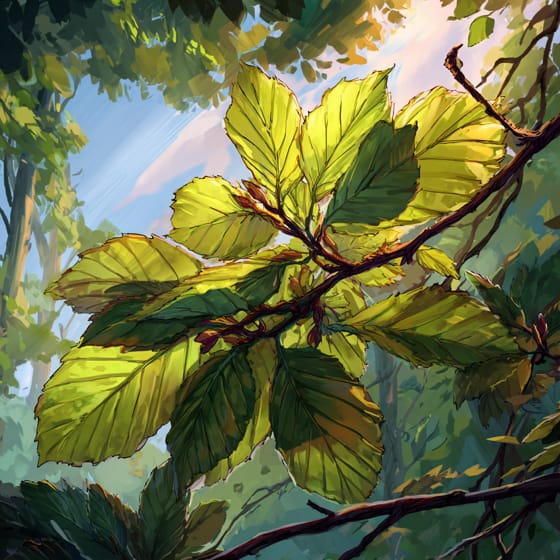
Fagus sylvatica
Feeds on fallen beech branches and trunks.
Arion lusitanicus
Slugs sometimes graze on the fungal surface.
Solitary animals live alone for most of their lives, only interacting with others for mating or parental care.
Colorful describes organisms or objects displaying a wide range of bright and distinct colors.
Describes organisms that break down dead organic material, recycling nutrients back into the ecosystem.
Forest habitats are terrestrial environments dominated by dense tree cover, supporting a high diversity of plant and animal life.
Danger
0/5 · No known danger
No special safety notes yet.
The easiest way to identify Ochre Bracket is to use the Snappit nature identifier app.
0.5-2 cm
inedible
3-10 cm
Decomposes dead hardwood, recycling nutrients back into the ecosystem.
They live in forests, growing on decaying wood.
wood
Year-round
Zoom in to split clusters and explore where this object has been snapped.
Recent snaps will appear here as new observations are added.
Take the discovery with you
Snap it with Snappit to identify it, learn what makes it special, and add the discovery to your collection.