





Ocola Skipper
Panoquina ocola
The Ocola Skipper is a small, colorful butterfly that loves to flutter around flowers. Its wings are brown with bright orange spots, making it look like a tiny piece of art in nature.
Habitat: Grasslands
The Ocola Skipper is a small butterfly with a stout, dark brown body and dark olive-brown wings. Its forewings may feature small, faint white to yellow spots. It is visually distinct from similar skippers by its often unmarked hindwings and rapid, darting flight pattern.
Category
InsectsRarity
Common
Danger
1/5 · Very low
Snaps
2
Ocola Skippers often hold their wings in a unique "delta" shape while resting!
The name "skipper" comes from their fast, skipping-like flight style!
Their caterpillars are masters of camouflage, blending perfectly with grass blades!
These tiny fliers are important pollinators for many wild flowers and plants!
Ocola Skippers can dart quickly and erratically through the air, making them incredibly hard for predators to catch!
Ocola Skippers have a long proboscis, a straw-like mouthpart that helps them sip sweet nectar from deep inside flowers.
Ocola Skipper caterpillars can roll grass blades around themselves, creating a cozy, hidden shelter from hungry birds.
Adult Ocola Skippers sip flower nectar, while their caterpillars munch on various types of grasses.
Age differences: Larvae eat grass blades; adults feed solely on flower nectar.
Paspalum notatum
larvae feed on leaves
.jpg&width=800)
Lantana camara
adults visit flowers for nectar
Misumena vatia
hunts adults on flowers
Cynodon dactylon
larval host plant
Marked with spots or patches of a different color.
Colorful describes organisms or objects displaying a wide range of bright and distinct colors.
Grassland habitats are terrestrial biomes dominated by grasses and herbaceous plants, supporting a variety of grazing animals.
This trait characterizes organisms whose diet consists entirely or primarily of plant material.

Describes plants that are particularly attractive and beneficial to a wide range of pollinating organisms.

Diurnal animals are primarily active during daylight hours, typically resting or sleeping at night.

This trait identifies organisms that exhibit exceptional swiftness in movement for hunting, escape, or travel.

Describes organisms that transfer pollen, enabling the fertilization and reproduction of plants.
No aliases listed yet.
Danger
1/5 · Very low
Always watch butterflies from a distance so you don't scare them away.
The easiest way to identify Ocola Skipper is to use the Snappit nature identifier app.
30-45 mm
15-25 mm
7-14 days
15 km/h
Adult Ocola Skippers sip flower nectar, while their caterpillars munch on various types of grasses.
Grasslands
Foraging
Zoom in to split clusters and explore where this object has been snapped.

Pennsylvania, US
You might spot Blue Dasher, Cottony Cushion Scale, and Common Drone Fly.
View guide →

Virginia, US
You might spot Squareback Marsh Crab and American Trumpet Vine.
View guide →
Maryland, US
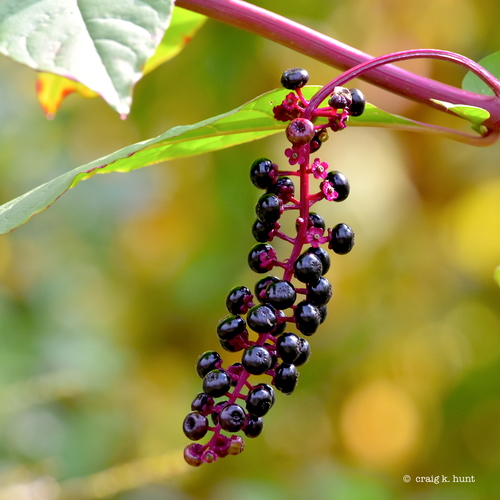
You might spot American Pokeweed, Goldenrods, and Common Hackberry.
View guide →
Take the discovery with you
Snap it with Snappit to identify it, learn what makes it special, and add the discovery to your collection.






.jpg&width=800)



