.jpg&width=800)





Lantana
Lantana
Lantanas are colorful flowers that attract butterflies and bees with their sweet nectar. They bloom in vibrant shades of pink, orange, yellow, and purple, brightening up gardens and meadows.
Habitat: Gardens, Meadows
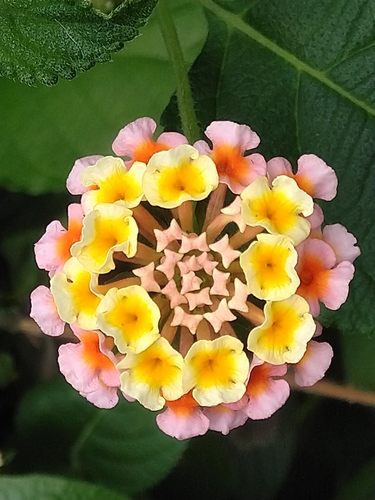
The Lantana has rough, dark green leaves and small, vibrant flowers that grow in dense, round clusters. These clusters often display multiple colors, like yellow, orange, red, and pink, creating a dazzling, multi-toned effect as they mature.
Category
PlantsRarity
Common
Danger
1/5 · Very low
Snaps
5
Did you know the berries look like tasty treats, but they are actually poisonous!
In some warm countries, Lantana grows so fast it can take over huge areas!
Rubbing Lantana leaves can release a strong, unique, and sometimes spicy scent!
Some Lantana species were traditionally used by people for herbal remedies long ago.
Lantana's flowers can change color as they age, helping pollinators identify which blooms have the most nectar.
Lantana can thrive in dry conditions thanks to its tough root system, needing little water to flourish.
Lantana produces abundant nectar and bright, showy flowers that act like a beacon for butterflies and bees.
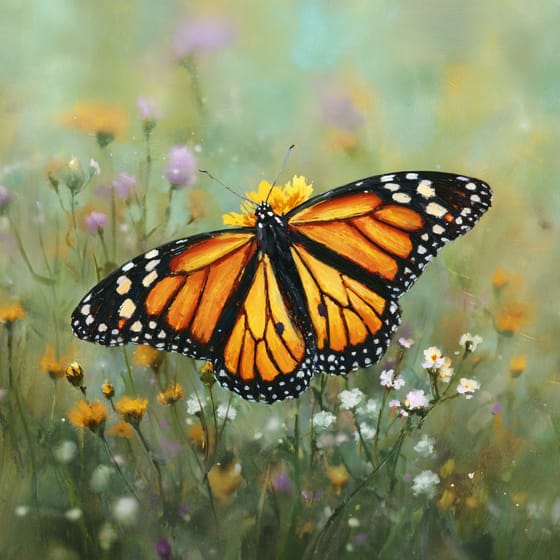
Danaus plexippus
Attracted by nectar for food.
Apis mellifera
Visits many flowers for pollen and nectar.

Trochilus colubris
Feeds on nectar from tubular flowers.
Everblooming plants produce flowers continuously or in repeated flushes over a long period.
Fragrant flowers emit a pleasant aroma, often to attract pollinators or for defense.
Drought-tolerant plants can survive and flourish in conditions with limited water availability.
Describes organisms that transfer pollen, enabling the fertilization and reproduction of plants.
Danger
1/5 · Very low
Enjoy the beauty of lantanas from a safe distance and avoid touching them without adult supervision.
The easiest way to identify Lantana is to use the Snappit nature identifier app.
30-180 cm
30-200 cm
0.5-1 cm
Year-round in tropical climates; spring to fall in temperate zones
No
Moderate
Perennial
Zoom in to split clusters and explore where this object has been snapped.

Florida, US
You might spot Peters's Rock Agama, Brown Anole, and American Alligator.
View guide →

Texas, US
You might spot Bottlenose Dolphin and Sea Turtle.
View guide →

Alabama, US
You might spot Banded Tussock Moth and Southern Pearly-Eye.
View guide →

Florida, US
You might spot West Indian Manatee, River Cooter, and Golden Silk Spider.
View guide →

Texas, US
You might spot Mediterranean House Gecko and Gulf Coast Toad.
View guide →
Florida, US
You might spot Lantanas, Water Pennyworts, and Common Purslane.
View guide →
Take the discovery with you
Snap it with Snappit to identify it, learn what makes it special, and add the discovery to your collection.









.jpg&width=800)


_001.jpg&width=800)




