




Pachycephalosaurus
Pachycephalosaurus wyomingensis
Pachycephalosaurus was a prehistoric dinosaur known for its distinctive features. Scientists study its bones to learn about how dinosaurs lived.
Habitat: Mesozoic forests and floodplains
The Pachycephalosaurus is a bipedal dinosaur defined by its enormous, bony dome-shaped skull, up to 10 inches thick. It had a relatively short, thick neck and a spiky fringe around the base of its dome, with small horn-like bumps on its snout.
Category
AncientRarity
Common
Danger
1/5 · Very low
Snaps
Be the first to snap!
Its super thick skull was almost 10 inches deep!
Pachycephalosaurus means 'thick-headed lizard' in Greek!
Scientists found its fossils only in North America!
They might have used their domes for head-butting contests!
Pachycephalosaurus has an incredibly thick, bony skull that helps them protect their brain or impress rivals.
Pachycephalosaurus can charge at great speed because of their strong legs and sturdy dome for defense or display.
Pachycephalosaurus can move quickly on two powerful legs that helps them escape from fast predators.
This plant-eating dinosaur nibbled on leaves, fruits, and seeds from low-growing plants.
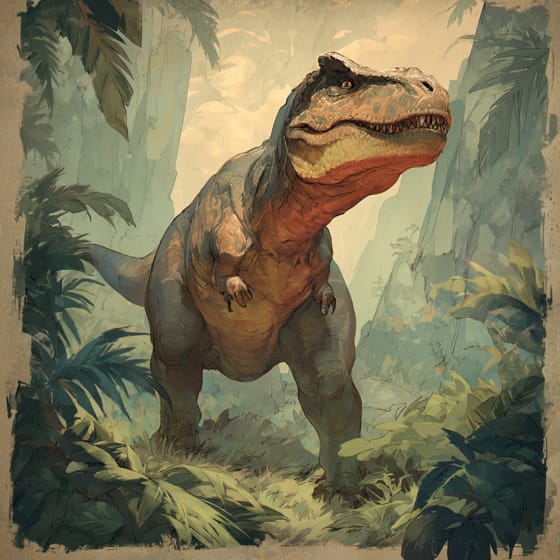
Tyrannosaurus rex
Apex predator in its habitat.
Dakotaraptor steini
Large raptor that might have preyed on juveniles.
Platanus nobilis
A source of various leaves and buds.
Ancient refers to organisms, objects, or geological formations that have existed for an extremely long period.
An artifact is an object made or modified by human culture, typically of historical or archaeological interest.
A fossil is the preserved remains or traces of an ancient organism embedded in rock or other geological deposits.
Danger
1/5 · Very low
While extremely dangerous in their time, this creature is now extinct.
The easiest way to identify Pachycephalosaurus is to use the Snappit nature identifier app.
4.5-5 m
400-475 kg
This plant-eating dinosaur nibbled on leaves, fruits, and seeds from low-growing plants.
Mesozoic forests and floodplains
Foraging
Late Cretaceous Period
66
Zoom in to split clusters and explore where this object has been snapped.
Recent snaps will appear here as new observations are added.
Take the discovery with you
Snap it with Snappit to identify it, learn what makes it special, and add the discovery to your collection.