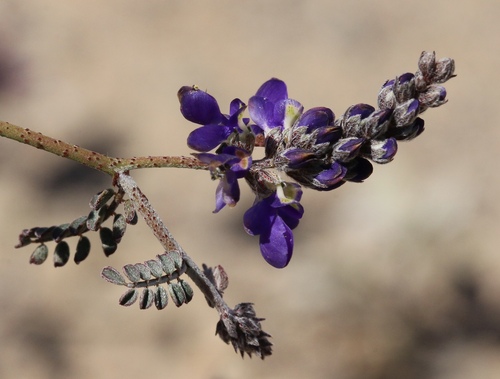


Parry'S False Prairie-Clover
marina parryi
Parry's False Prairie-Clover (Marina parryi) is a charming perennial herb or subshrub native to the arid desert regions of the southwestern United States and northwestern Mexico. Belonging to the legume family, Fabaceae, this resilient plant thrives in harsh desert environments where many other plants struggle to survive. It plays an important ecological role by stabilizing sandy desert soils and providing resources for local pollinators. Its elegant, airy growth form and delicate purple blooms make it a subtle yet beautiful highlight of the desert landscape during the spring flowering season.
Habitat: Found in dry, rocky desert slopes, sandy washes, and creosote bush scrub communities.
This plant typically grows as a low, sprawling, or upright subshrub reaching 20 to 80 centimeters in height, featuring highly branched, glandular green stems. Its leaves are pinnately compound, divided into numerous tiny, oval-shaped leaflets that are covered in small glands. The striking flowers are pea-like, displaying a beautiful combination of deep purple, blue, and white petals, arranged in loose, elongated clusters that sway gently in the desert breeze.
Category
PlantsRarity
Common
Danger
1/5 · Very low
Snaps
1
Its seed pods are tiny, glandular, and contain a single seed, adapted to disperse during seasonal flash floods in desert washes.
The genus name 'Marina' honors 'La Malinche' (Doña Marina), an indigenous Nahua woman who played a pivotal role in the Spanish conquest of the Aztec Empire as an interpreter.
The tiny glands covering the foliage give off a distinct, pleasant herbal aroma when gently brushed or crushed.
Like many legumes, it hosts symbiotic Rhizobium bacteria in its root nodules to convert atmospheric nitrogen into a usable form, enriching poor desert soils.
The stems and leaves are dotted with prominent glands that secrete aromatic oils, helping to deter herbivores and reduce water loss.
It can drop its tiny leaflets during extreme drought periods to conserve water, relying on its green stems to carry out limited photosynthesis.
Produces its own energy through photosynthesis, absorbing water and essential minerals from the soil while utilizing sunlight and carbon dioxide.
Xylocopa californica
Provides nectar and pollen to native desert bees for pollination.
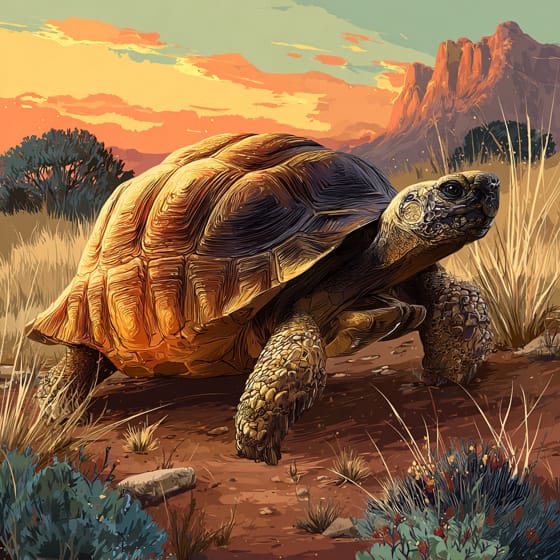
Gopherus agassizii
Occasionally grazed upon by desert herbivores looking for moisture and nutrients.
Rhizobium leguminosarum
Forms a symbiotic relationship in the roots to fix atmospheric nitrogen into the soil.
No trait badges are assigned for this object yet.
No aliases listed yet.
Collections for this object will appear here as more themes are added.
Danger
1/5 · Very low
No special safety notes yet.
The easiest way to identify Parry'S False Prairie-Clover is to use the Snappit nature identifier app.
20-80 cm
3-10 years
Produces its own energy through photosynthesis, absorbing water and essential minerals from the soil while utilizing sunlight and carbon dioxide.
Found in dry, rocky desert slopes, sandy washes, and creosote bush scrub communities.
Zoom in to split clusters and explore where this object has been snapped.
Take the discovery with you
Snap it with Snappit to identify it, learn what makes it special, and add the discovery to your collection.












.jpg&width=800)



_001.jpg&width=800)




