





Snowbrush Ceanothus
Ceanothus velutinus
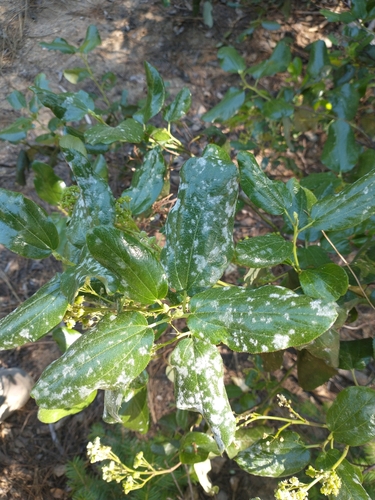
The Snowbrush Ceanothus is a lovely shrub with shiny green leaves and beautiful white flowers. It grows in the wild and smells sweet, especially when you touch its leaves!
Habitat: Mountain regions
The Snowbrush Ceanothus is an evergreen shrub with dark green, glossy, leathery leaves that often feel sticky to the touch. It produces dense, frothy clusters of tiny, fragrant white flowers that blanket its branches, making it look like it's dusted with snow.
Category
PlantsRarity
Common
Danger
1/5 · Very low
Snaps
3
Indigenous people once used Snowbrush wood to start fires by rubbing sticks together!
Its name 'Snowbrush' comes from how its white flowers blanket hillsides like fresh snow!
Many animals, like deer and elk, munch on its leaves, especially when other food is scarce!
This plant's shiny, waxy leaves stay green all year, providing food even in winter!
Snowbrush Ceanothus can vigorously re-sprout from its root crown after wildfires, and its seeds often need fire's heat to germinate.
Snowbrush Ceanothus has special root nodules that partner with tiny bacteria to pull nitrogen gas from the air, fertilizing the soil around it.
Snowbrush Ceanothus has thick, waxy leaves that help it store water and reduce moisture loss, allowing it to thrive in dry, sunny places.
Apis mellifera
collects nectar and pollen
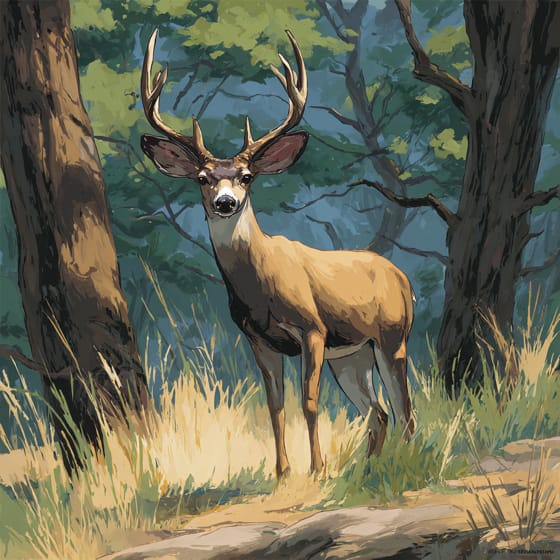
Odocoileus hemionus
browses on leaves and twigs
Bombus occidentalis
visits flowers for nectar
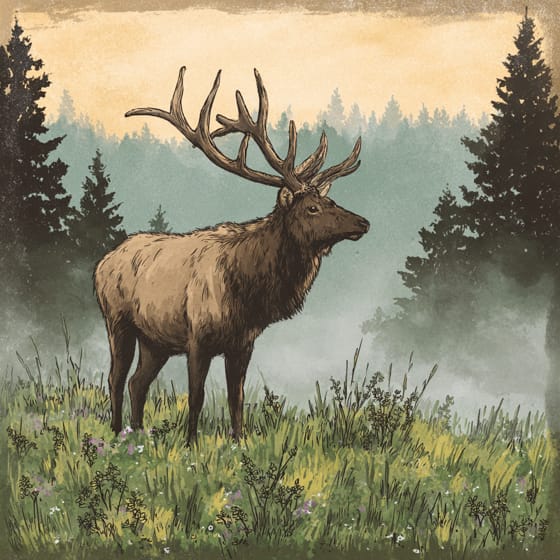
Cervus canadensis
grazes on foliage, especially in winter
Aromatic plants produce and emit fragrant volatile organic compounds, often for defense or to attract pollinators.
Flowering plants are any plants that produce flowers as part of their reproductive cycle.
A shrub is a woody plant smaller than a tree, typically with multiple stems branching from or near the ground.
Spring blooming plants produce their flowers during the spring season, often signifying the end of winter and the start of new growth.

Evergreen plants retain their foliage throughout the year, never shedding all their leaves at once.

Fragrant flowers emit a pleasant aroma, often to attract pollinators or for defense.

Describes plants that are particularly attractive and beneficial to a wide range of pollinating organisms.

This habitat trait identifies species found in mountainous regions, characterized by high elevation, steep slopes, and varying climate zones.
No aliases listed yet.
Danger
1/5 · Very low
Always look but don't touch plants unless you know they're safe.
The easiest way to identify Snowbrush Ceanothus is to use the Snappit nature identifier app.
100-400 cm
100-300 cm
0.5-1 cm
Late spring to early summer
No
None
Perennial
Zoom in to split clusters and explore where this object has been snapped.
Jul 21, 2023
Sun Pass State ForestPhoto attribution
no rights reserved
License: CC0 1.0 ↗
Image may be shown cropped inside the card frame.

Wyoming, US
You might spot Moose, Snowbrush Ceanothus, and Black Bear.
View guide →

Wyoming, US
You might spot Moose and Yellow-Bellied Marmot.
View guide →

Wyoming, US
You might spot Moose and Yellow-Bellied Marmot.
View guide →

Colorado, US
You might spot Elk, Mule Deer, and Black-Billed Magpie.
View guide →

Wyoming, US
You might spot Moose, Arrowleaf Balsamroot, and Creeping Mahonia.
View guide →

Oregon, US
You might spot Fir Dwarf-Mistletoe, Sugar Pine, and Woodland Pinedrops.
View guide →
Take the discovery with you
Snap it with Snappit to identify it, learn what makes it special, and add the discovery to your collection.








.jpg&width=800)


_001.jpg&width=800)



