





Parsnip Chervil
Chaerophyllum bulbosum
Parsnip Chervil is a tasty plant that grows in the wild. It has pretty white flowers and can be found in grassy places. It's a fun plant to discover while exploring nature!
Habitat: Grasslands
The Parsnip Chervil has delicate, fern-like leaves and hollow, ridged stems that can reach up to a meter tall. Its small, white flowers are clustered in flat-topped groups, resembling tiny lace doilies, which stand out against its bright green foliage.
Category
PlantsRarity
Common
Danger
2/5 · Low
Snaps
Be the first to snap!
Ancient Romans loved this plant, calling its unique root 'earthnut'.
Before eating, its tasty roots should be cooked; raw they can be a bit bitter.
Its chunky root tastes like a delicious mix of potato, parsnip, and chestnut!
The plant’s delicate leaves are often mistaken for parsley or carrot tops!
Parsnip Chervil can store energy in its swollen, turnip-like root, which helps it survive winter and grow strongly.
Parsnip Chervil has wide, flat flower clusters that act as easy landing pads, attracting many different insect pollinators.
Apis mellifera
Drinks nectar from its many tiny white flowers.
Bombus pascuorum
Collects pollen and nectar from its open flower heads.
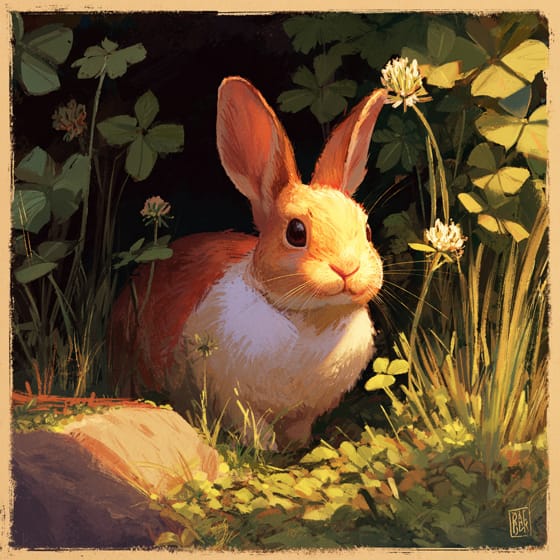
Oryctolagus cuniculus
Browses on its tender leaves and young shoots in fields.
Aromatic plants produce and emit fragrant volatile organic compounds, often for defense or to attract pollinators.
Flowering plants are any plants that produce flowers as part of their reproductive cycle.
Spring blooming plants produce their flowers during the spring season, often signifying the end of winter and the start of new growth.
Summer blooming plants produce their flowers during the summer season, often providing vibrant color when many other plants have finished.

Edible plants are those parts of a plant that are considered safe for human consumption.

Grassland habitats are terrestrial biomes dominated by grasses and herbaceous plants, supporting a variety of grazing animals.

Describes plants that are particularly attractive and beneficial to a wide range of pollinating organisms.

This human use trait indicates species from which spices are derived, used for flavoring, preserving food, or as aromatic agents.
No aliases listed yet.
Danger
2/5 · Low
Always check with an adult before touching or tasting wild plants.
The easiest way to identify Parsnip Chervil is to use the Snappit nature identifier app.
30-100 cm
20-40 cm
0.2-0.4 cm
Late spring to early summer
Yes
None
Biennial
Zoom in to split clusters and explore where this object has been snapped.
Recent snaps will appear here as new observations are added.
Take the discovery with you
Snap it with Snappit to identify it, learn what makes it special, and add the discovery to your collection.








.jpg&width=800)



_001.jpg&width=800)



