





Patagonian Mara
Dolichotis patagonum
The Patagonian Mara is a cute, rabbit-like animal with long legs and big ears. They love to hop around in the grasslands of South America and are very social, often seen in pairs or small groups.
Habitat: Grasslands
The Patagonian Mara is a large rodent, resembling a mix between a rabbit and a small deer. It has long, slender legs, large ears, and a short tail. Its fur is greyish-brown on top, with a white belly and distinctive orange patches on its flanks.
Category
MammalsRarity
Common
Danger
1/5 · Very low
Snaps
Be the first to snap!
Baby maras are born with open eyes and can run within hours!
Mara pairs often share nurseries, taking turns guarding their young!
Maras often stand on their hind legs to get a better view of their surroundings!
They are monogamous, meaning they mate for life, which is rare for rodents!
Patagonian Maras have powerful hind legs that allow them to run at high speeds, helping them escape from dangers quickly.
Patagonian Maras can make impressive high leaps that help them spot predators over tall vegetation in their flat habitat.
Patagonian Maras can dig burrows or use abandoned ones, which helps them create safe shelters for raising their young.
Patagonian Maras re-ingest their own droppings to extract maximum nutrients, making sure they don't waste any food energy.
They are herbivores that eat mostly grasses and other plant material from the dry plains.
Puma concolor
A primary predator in its natural range.
Lycalopex griseus
Often preys on mara young and smaller individuals.
Stipa ichu
A common grass grazed by maras for sustenance.
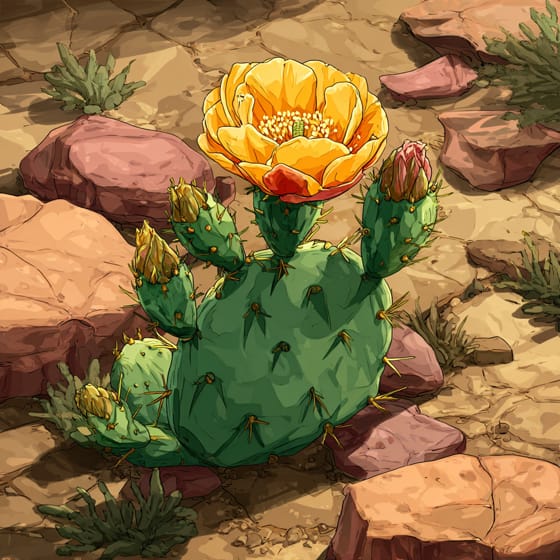
Opuntia ficus-indica
Consumes its pads and fruits for water and nutrients.
Furry describes animals possessing a dense covering of soft hair or fur.
Social animals live in organized groups, cooperating for survival benefits such as foraging, defense, and raising offspring.
Grassland habitats are terrestrial biomes dominated by grasses and herbaceous plants, supporting a variety of grazing animals.
This trait characterizes organisms whose diet consists entirely or primarily of plant material.

Diurnal animals are primarily active during daylight hours, typically resting or sleeping at night.

This trait identifies organisms that exhibit exceptional swiftness in movement for hunting, escape, or travel.
No aliases listed yet.
Danger
1/5 · Very low
Always watch from a distance and don't try to touch wild animals.
The easiest way to identify Patagonian Mara is to use the Snappit nature identifier app.
69-75 cm
8-16 kg
7-10 years
45 km/h
They are herbivores that eat mostly grasses and other plant material from the dry plains.
Grasslands
Grazing
Zoom in to split clusters and explore where this object has been snapped.
Recent snaps will appear here as new observations are added.
Take the discovery with you
Snap it with Snappit to identify it, learn what makes it special, and add the discovery to your collection.





.jpg&width=800)


.JPG&width=800)

.jpg&width=800)
