Periwinkle Snails
Littorinidae
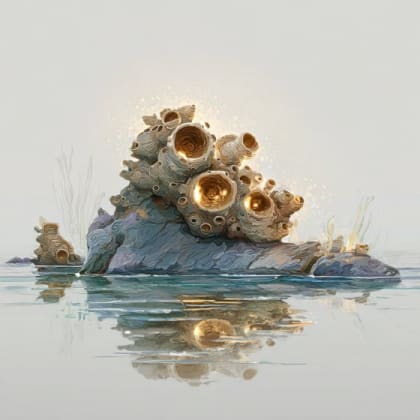
Periwinkle snails are small, colorful snails that live on rocky shores. They have spiral shells that can be blue, gray, or brown, and they love to munch on algae!
Habitat: Coastal areas
The Periwinkle Snails has a sturdy, conical or turban-shaped shell that typically ranges from grey, brown, or black to olive green, sometimes featuring subtle banding. Its small size and smooth, often dull, exterior help it blend into rocky shorelines. This distinctively robust shell visually sets it apart from more delicate land snails.
Category
InvertebrateRarity
Common
Danger
1/5 · Very low
Snaps
Be the first to snap!
Periwinkles can detect predators just by sensing chemicals in the water!
Some periwinkle snails can live for five years or even longer in the wild!
Their tongue, called a radula, is covered in thousands of tiny teeth for scraping algae!
They leave a slimy trail wherever they go, like a secret map only they can follow!
Periwinkle Snails can hold onto rocks incredibly tightly because of their strong muscular foot that helps them resist crashing waves.
Periwinkle Snails can seal their shell opening with a trapdoor (operculum) that helps them survive when the tide goes out.
Periwinkle Snails has a thick, calcified shell that helps them protect against predators and harsh environmental conditions.
These tiny ocean grazers munch on microscopic algae and tiny plant matter found on rocks.
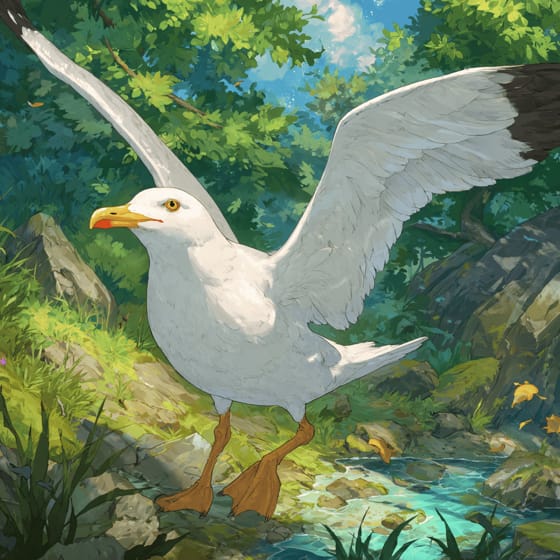
Larus argentatus
Gulls drop periwinkles from height to crack their shells.
Carcinus maenas
Crabs use their strong claws to crush periwinkle shells.
Ulva lactuca
Periwinkles graze on this common green algae on rocks.
Solitary animals live alone for most of their lives, only interacting with others for mating or parental care.
Colorful describes organisms or objects displaying a wide range of bright and distinct colors.
This trait characterizes organisms whose diet consists entirely or primarily of plant material.
Describes organisms that break down dead organic material, recycling nutrients back into the ecosystem.

Coastal habitats are dynamic environments located along the interface between land and sea, influenced by tides, waves, and saltwater.

Diurnal animals are primarily active during daylight hours, typically resting or sleeping at night.

Marine habitats encompass all saltwater environments of the Earth's oceans, supporting an immense diversity of aquatic life.
Danger
1/5 · Very low
Don't touch snails you find outside; they need to stay in their homes!
The easiest way to identify Periwinkle Snails is to use the Snappit nature identifier app.
10-25 mm
365-1825 days
These tiny ocean grazers munch on microscopic algae and tiny plant matter found on rocks.
Coastal areas
Grazing
0
Zoom in to split clusters and explore where this object has been snapped.
Recent snaps will appear here as new observations are added.
Take the discovery with you
Snap it with Snappit to identify it, learn what makes it special, and add the discovery to your collection.