Brown Pelican
Nestled along the Texas Gulf Coastal Bend, Goose Island State Park offers a serene coastal retreat where ancient live oaks meet diverse wildlife, making it a haven for nature enthusiasts and photographers alike.
Nestled along the Texas Gulf Coastal Bend, Goose Island State Park offers a serene coastal retreat where ancient live oaks meet diverse wildlife, making it a haven for nature enthusiasts and photographers alike. This unique park, encompassing both mainland and an oyster shell island, is bordered by the tranquil waters of St. Charles and Aransas Bays. It's a place where the rhythmic lapping of the water and gentle Gulf breezes create an idyllic backdrop for disconnecting from the everyday and immersing oneself in the natural beauty of the Texas coast.
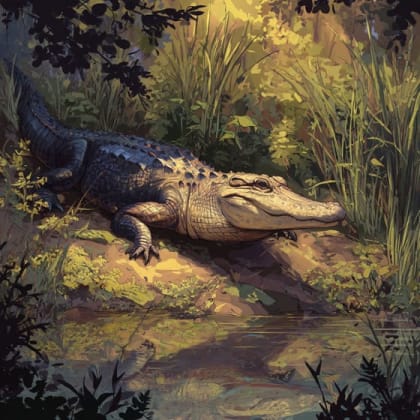
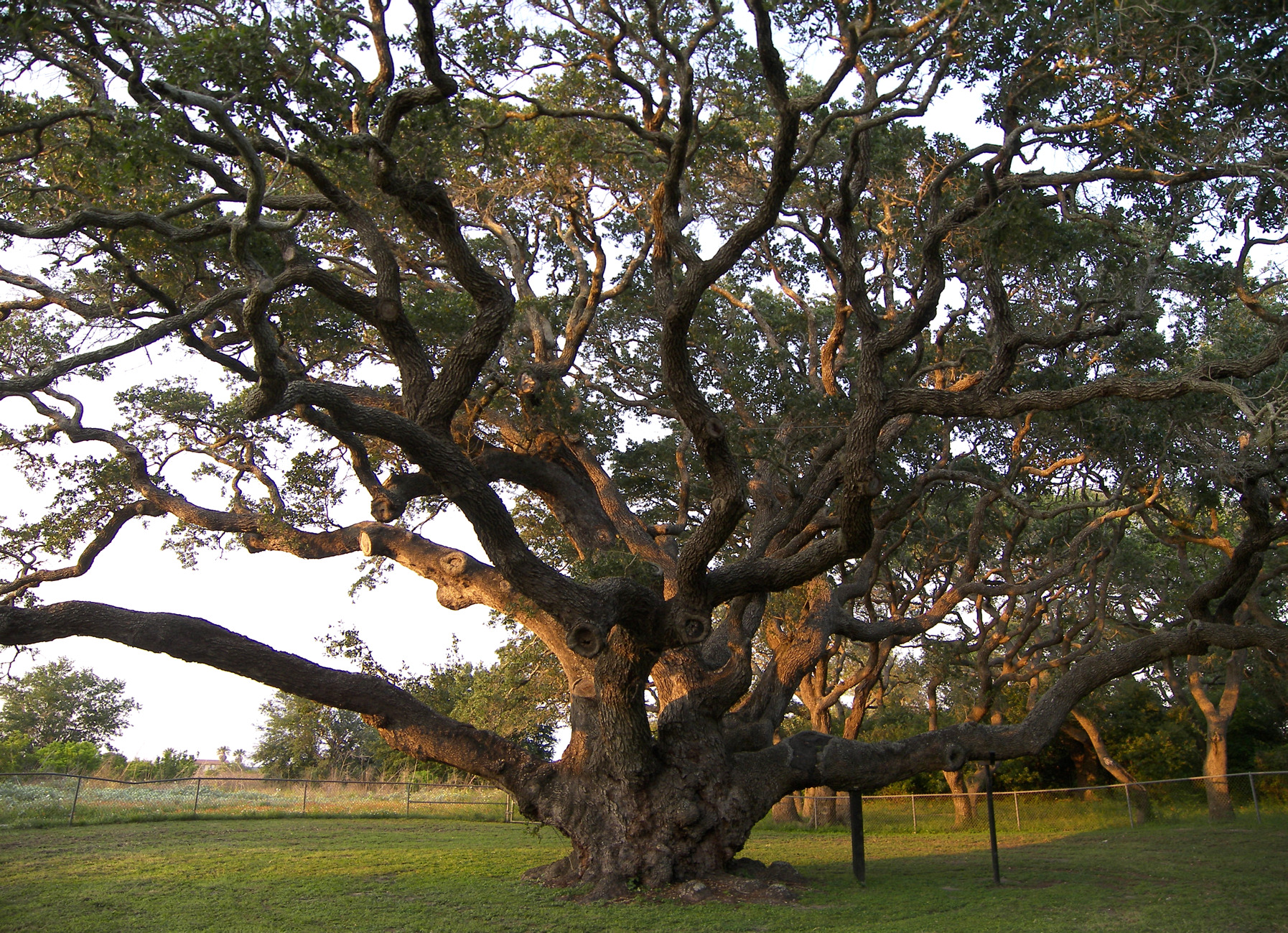
The park is renowned for its exceptional birdwatching opportunities, drawing visitors from across the country. Over 300 bird species have been observed here, including majestic Great Blue Herons, elegant Brown Pelicans, and the critically endangered Whooping Crane, which winters in the area. Beyond the avian spectacle, you might spot White-tailed Deer, American Alligators, and Common Raccoons amidst the live oak and redbay woods. The crown jewel of the park is "The Big Tree," a colossal Coastal Live Oak estimated to be over 1,000 years old, with a circumference of 35 feet and a crown spread of 89-90 feet, standing as a silent sentinel to centuries of coastal history.
Goose Island State Park is an unforgettable destination for those seeking tranquility, adventure, or a deeper connection with nature. Whether you're casting a line from the extensive fishing pier, paddling through the calm bay waters, or simply enjoying the abundant wildlife, the park offers countless memorable experiences. Its diverse habitats, from marshlands and mudflats to thickets of Yaupon Holly and Eastern Coral Bean, promise a rich tapestry of life, ensuring every visit reveals something new and captivating. Explore the grounds like a pro—download the Snappit app to instantly identify animals and plants.
Goose Island State Park was established on land acquired by the state between 1931 and 1935. A significant portion of the park's early infrastructure was developed by the Civilian Conservation Corps (CCC) Company 1801 during the 1930s. The CCC's extensive work included building the entrance portal, a concession building (now the recreation hall) made of shellcrete (blocks cast from oyster shell), picnic units, roads, bridges, shelters, and drainage systems. Their efforts also involved clearing undergrowth, planting trees, and caring for "The Big Tree." This historical development provides a tangible link to a significant period in American history, with their craftsmanship still evident throughout the park.
Camping, fishing, hiking on trails like Warbler Way Trail, birdwatching (guided walks available), kayaking/canoeing, geocaching, boating (boat ramp and kayak/canoe launch available), wildlife observation, and ranger programs. You can rent kayaks at unmanned kiosks.
Spring & Fall: Peak bird migration seasons for observing hundreds of species. Wildflowers can fill the park in spring.
Winter: Home to endangered Whooping Cranes (late October to mid-March/early April). Excellent and varied winter bird population.
Summer: Can be hot with more mosquitoes. Swimming is not recommended due to marshy shorelines, oyster shells, and concrete bulkheads.
The park has paved roads leading to "The Big Tree." Restrooms with showers are available in camping loops. Ranger programs and accessible events are offered.
A monumental Coastal Live Oak, one of the largest and oldest in Texas, estimated to be over 1,000 years old.
Offers excellent fishing opportunities for various marine life, including red drum, speckled trout, and flounder. No fishing license is required when fishing from the pier or shore within the park.
Over 300 species can be observed, making it a birdwatcher's paradise.
Each card links to a full Explore page with photos, traits, and fun facts.
Start with the big picture, then zoom in to explore individual wildlife observations around this place.
Bring binoculars and a camera
With over 300 bird species and diverse wildlife, you'll want to capture the sights and get closer views of distant creatures.
Visit during off-peak seasons for fewer crowds: While popular, planning your trip outside of major holidays and summer can provide a more tranquil experience, especially in the cooler months between October and April.
Pack insect repellent
Especially during warmer months or around marshy areas, mosquitoes can be prevalent.
Check for reservations and park alerts
Day passes and camping spots are highly recommended to be reserved in advance, as the park can reach capacity. Also, check the park's official website or social media for any alerts regarding weather, water conservation, or temporary closures.
Utilize the fishing pier
Even if you don't have a Texas fishing license, you can fish from the 1,620-foot pier or the shore within the park. The park also has a Tackle Loaner Program if you need gear.
Explore beyond the main areas
Take advantage of the hiking trails and observation points, and consider a paddle in St. Charles Bay for a different perspective on the park's ecosystems.
Jan 23, 2026
Jan 23, 2026
Jan 23, 2026
Jan 23, 2026
Jan 20, 2026

Maryland, US
You might spot White-Tailed Deer and Eastern Gray Squirrel.
View guide →
.jpg)
District of Columbia, US
You might spot Eastern Gray Squirrel, Duck, and House Sparrow.
View guide →

Illinois, US
You might spot American Robin, Canada Goose, and House Sparrow.
View guide →

Virginia, US
You might spot Spotted Lanternfly and Northern Cardinal.
View guide →
Take the discovery with you
Identify the wildlife you spot, learn as you go, and keep a collection of the adventure.