





Colugo
Cynocephalus variegatus
Colugos are amazing gliding mammals that live in the forests of Southeast Asia. They have a special skin flap that helps them glide from tree to tree like superheroes!
Habitat: Forests
The Colugo has soft, dense fur mottled in shades of grey and brown, providing excellent camouflage against tree bark. Its large, forward-facing eyes are adapted for seeing in low light. A broad, fur-covered membrane, called a patagium, stretches from its neck to its fingertips, and down to its tail, giving it a unique square-like shape when spread.
Category
MammalsRarity
Rare
Danger
1/5 · Very low
Snaps
Be the first to snap!
A baby colugo clings to its mother's belly during glides, safe within her patagium!
Colugos are so good at gliding that their feet are poor for walking on the ground!
Colugos can glide over 100 meters, further than a football field, without losing much height!
Despite their nickname 'flying lemurs', colugos are not true lemurs and cannot actually fly!
Colugos can glide amazing distances using their vast skin membrane, helping them travel efficiently between trees.
Colugos have mottled fur that perfectly mimics tree bark and lichen, helping them hide from predators.
Colugos have very large eyes that gather maximum light, helping them navigate and forage in the dark forest.
Colugos are gentle plant-eaters, enjoying leaves, flowers, and fruits found in their forest home.
Nisaetus cirrhatus
A common bird of prey
Bubo sumatranus
Nocturnal hunter of mammals
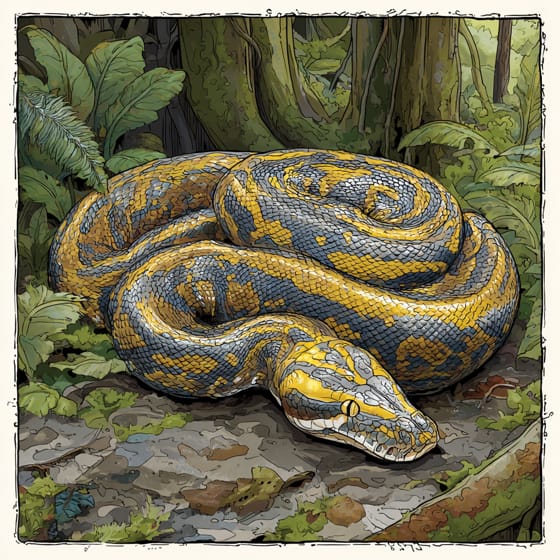
Malayopython reticulatus
Large arboreal snake
Ficus racemosa
Eats leaves and fruits
Furry describes animals possessing a dense covering of soft hair or fur.
Arboreal animals live primarily in trees, utilizing them for shelter, food, and protection from predators.
Gliding animals move through the air by launching themselves and maintaining flight with specialized body structures, without flapping wings.
This trait characterizes organisms whose diet consists entirely or primarily of plant material.

This trait signifies organisms belonging to a very old evolutionary group with ancestors dating back millions of years.

Forest habitats are terrestrial environments dominated by dense tree cover, supporting a high diversity of plant and animal life.
Regenerative organisms possess the ability to regrow lost or damaged body parts, tissues, or organs.

Nocturnal animals are primarily active during the nighttime hours, typically resting or sleeping during the day.
Danger
1/5 · Very low
If you ever see a colugo in the wild, admire them from a distance and don't try to touch or catch them.
The easiest way to identify Colugo is to use the Snappit nature identifier app.
34-42 cm
70-120 cm
0.9-1.75 kg
10-15 years
20 km/h
Colugos are gentle plant-eaters, enjoying leaves, flowers, and fruits found in their forest home.
Forests
Zoom in to split clusters and explore where this object has been snapped.
Recent snaps will appear here as new observations are added.
Take the discovery with you
Snap it with Snappit to identify it, learn what makes it special, and add the discovery to your collection.




.jpg&width=800)



.JPG&width=800)


.jpg&width=800)
