

Polypore
Polyporales
Polypores are special mushrooms that grow on trees. They have pores instead of gills underneath their caps. Some polypores are used in traditional medicine or to start fires.
Habitat: Forests
The Polypore has a shelf-like or bracket-like fruiting body, often growing flat against wood. Its distinguishing feature is a pore-filled underside instead of gills, ranging in color from white to browns, oranges, or yellows. These fungi often have a tough, leathery, or woody texture.
Category
FungiRarity
Common
Danger
2/5 · Low
Snaps
Be the first to snap!
One type of polypore can grow so big it weighs more than a bowling ball!
Scientists are researching if certain polypores can help break down plastics!
Some ancient humans used dried polypores to carry fire, like a slow-burning ember!
You can sometimes count growth rings on a polypore to guess its age, like a tree!
Polypore can break down tough dead wood because it has enzymes that help them recycle nutrients back into the forest soil.
Polypore has a very tough and woody texture that helps them resist decay and last for many years on trees.
Polypore can release trillions of tiny spores because its underside is packed with pores, helping them spread far and wide.
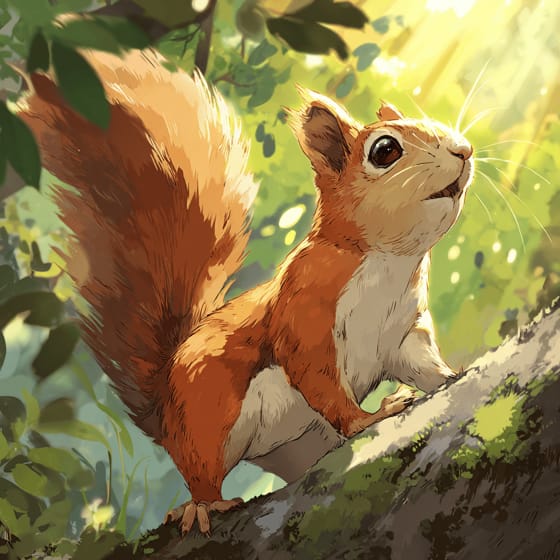
Sciurus carolinensis
Squirrels nibble on some polypore species.
Quercus rubra
Some polypores cause decay in living oak trees.
Formica rufa
Ants use larger brackets for shelter.
Cerambyx cerdo
Beetle larvae tunnel into its tough fruiting body.
Deciduous plants periodically shed all their leaves, typically during autumn or dry seasons.
Medicinal plants possess chemical compounds that can be used for therapeutic purposes to treat illnesses or maintain health.
Spore-producing organisms reproduce by releasing small, often single-celled, reproductive units called spores.
This trait signifies organisms belonging to a very old evolutionary group with ancestors dating back millions of years.

Describes organisms that break down dead organic material, recycling nutrients back into the ecosystem.

Forest habitats are terrestrial environments dominated by dense tree cover, supporting a high diversity of plant and animal life.
No aliases listed yet.
Danger
2/5 · Low
Never eat mushrooms you find in the wild unless an adult says it's safe. Some mushrooms can make you sick.
The easiest way to identify Polypore is to use the Snappit nature identifier app.
2-25 cm
inedible
5-60 cm
Forests
wood
Year-round
White
Zoom in to split clusters and explore where this object has been snapped.
Recent snaps will appear here as new observations are added.
Take the discovery with you
Snap it with Snappit to identify it, learn what makes it special, and add the discovery to your collection.