



Pterosaur Wing Bone
This is a very special bone from a Pterosaur, a flying reptile that lived a long time ago! It had big wings and could soar through the skies.
The Pterosaur Wing Bone is typically fossilized as a long, hollow structure, often appearing in shades of brown, gray, or black. Its distinctively lightweight and slender form, sometimes slightly curved, clearly showcases an adaptation for ancient flight.
Category
AncientRarity
Rare
Danger
1/5 · Very low
Snaps
Be the first to snap!
Many pterosaur bones found are hollow, making them quite fragile and rare!
Some pterosaurs walked on all fours, using their wings as front legs!
The largest pterosaur had a wingspan longer than a school bus!
Unlike birds, pterosaur wings were made of skin and muscle, not feathers!
Pterosaur Wing Bone has a hollow, thin-walled structure that helped them achieve flight by drastically reducing overall body weight.
Pterosaur Wing Bone has robust connection points that helped them firmly attach and support vast wing membranes for powerful flight.
Pterosaur Wing Bone shows growth rings that helped them grow quickly from hatchling to flying adult size.
Pterosaurs ate many things, from small fish to insects and even other tiny reptiles!
Age differences: Some larger pterosaurs started with smaller prey, growing to hunt bigger fish or animals as they matured.
Leptolepis coryphaenoides
a common fish prey
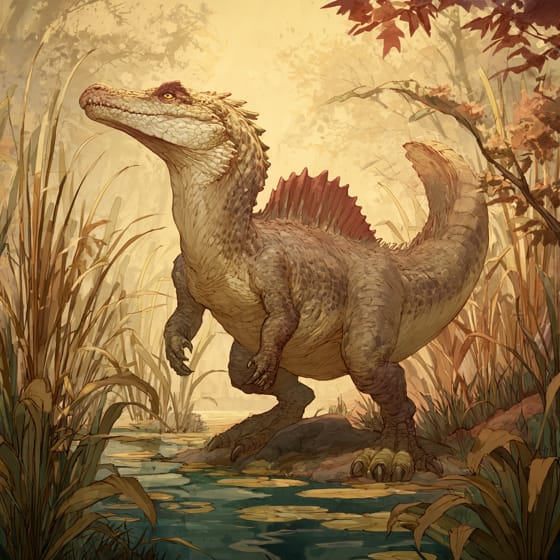
Spinosaurus aegyptiacus
large predator ate them

Compsognathus longipes
some large pterosaurs did
Feathered describes animals, primarily birds, possessing a covering of feathers.
Ancient refers to organisms, objects, or geological formations that have existed for an extremely long period.
An artifact is an object made or modified by human culture, typically of historical or archaeological interest.
A fossil is the preserved remains or traces of an ancient organism embedded in rock or other geological deposits.
No aliases listed yet.
Danger
1/5 · Very low
Explore with care and ask an adult if you're unsure what to do.
The easiest way to identify Pterosaur Wing Bone is to use the Snappit nature identifier app.
Pterosaurs ate many things, from small fish to insects and even other tiny reptiles!
Pursuit
Mesozoic Era (Triassic-Cretaceous)
66
Zoom in to split clusters and explore where this object has been snapped.
Recent snaps will appear here as new observations are added.
Take the discovery with you
Snap it with Snappit to identify it, learn what makes it special, and add the discovery to your collection.