





quito-orange
Solanum quitoense
The quito-orange is a special fruit that grows on spiky plants. It has a bright orange color and a unique taste that is a little sweet and a little tangy. Kids love to explore its fun shape!
Habitat: Mountain regions
The quito-orange is a striking plant with large, velvety green leaves often veined with deep purple. Its stems are thick and covered in purple fuzz, sometimes bearing small thorns. It produces small, white to pale purple star-shaped flowers that develop into round, fuzzy orange-yellow fruits.
Category
PlantsRarity
Common
Danger
1/5 · Very low
Snaps
Be the first to snap!
Did you know the fuzzy skin of a quito-orange fruit must be rubbed off before you can eat it?
In some places, people call this yummy fruit 'Naranjilla', which means 'little orange' in Spanish!
Its tangy, citrus-like flavor makes it a super popular ingredient for drinks in South America!
This plant is a relative of tomatoes and potatoes, even though its fruit looks so different!
Quito-orange has velvety fuzz on its leaves and stems that helps protect it from pests and excessive sunlight.
Its unripe fruit contains acidic compounds that deter animals from eating it before the seeds are ready.
The quito-orange has special flowers that attract specific bees, which buzz-pollinate them for fruit production.
Apis mellifera
Visits flowers for nectar and pollen.
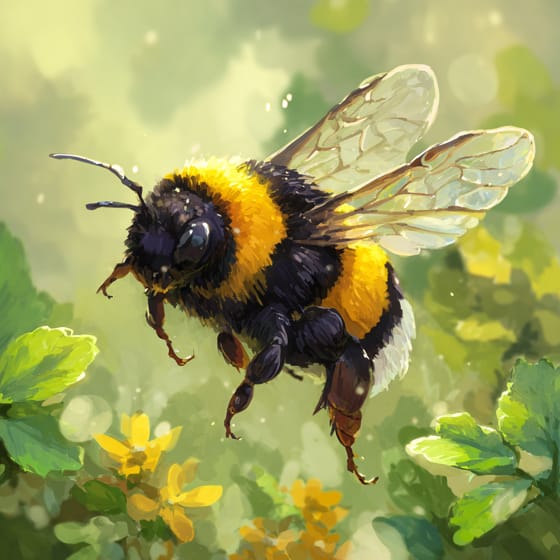
Bombus atratus
Performs buzz pollination on flowers.
Homo sapiens
Cultivates for edible fruit.
Artibeus lituratus
Eats fruit, dispersing seeds.
Fruit-bearing plants produce fruits, which are the mature ovaries of flowering plants containing seeds.
Medicinal plants possess chemical compounds that can be used for therapeutic purposes to treat illnesses or maintain health.
A fruit tree is a perennial tree that produces fruit, which is edible to humans or animals.
Colorful describes organisms or objects displaying a wide range of bright and distinct colors.

Edible plants are those parts of a plant that are considered safe for human consumption.

Describes plants that are particularly attractive and beneficial to a wide range of pollinating organisms.

This habitat trait identifies species found in mountainous regions, characterized by high elevation, steep slopes, and varying climate zones.

Possessing sharp, pointed projections or spines on the body or surface.
Danger
1/5 · Very low
Always wash fruits before eating them to stay safe and healthy.
The easiest way to identify quito-orange is to use the Snappit nature identifier app.
100-300 cm
100-200 cm
1-2 cm
Year-round
Yes
Mild
Perennial
Zoom in to split clusters and explore where this object has been snapped.
Recent snaps will appear here as new observations are added.
Take the discovery with you
Snap it with Snappit to identify it, learn what makes it special, and add the discovery to your collection.









.jpg&width=800)



_001.jpg&width=800)



