_Persicaria_amplexicaulis_Blackfield_-_Les_Martels%2C_Giroussens_Tarn.jpg&width=800)





red bistort
Bistorta amplexicaulis
Red bistort is a beautiful plant with tall, pinkish-red flowers that bloom in the summer. It grows in grassy areas and is loved by butterflies and bees!
Habitat: Mountain regions
The red bistort has striking upright spikes of small, vibrant rosy-pink to crimson flowers that look like tiny bottle brushes. Its broad, pointed leaves are often a rich green, forming dense clumps.
Category
PlantsRarity
Common
Danger
1/5 · Very low
Snaps
Be the first to snap!
Its common name "bistort" means "twice twisted" because of its root shape.
This super tough plant can even grow high up in cold mountain areas!
Wow! The plant's roots were once used to make a red dye!
Young red bistort leaves can be cooked and eaten like spinach!
Red bistort can spread widely using strong underground stems called rhizomes, helping it form big colonies.
Its bright pink flower spikes act like a colorful sign, drawing in helpful insects for pollination.
Red bistort has adapted to grow in cool mountain meadows, surviving where many other plants can't.
Apis mellifera
Honey bees collect nectar and pollen from its flowers.
Bombus terrestris
Bumblebees are important visitors, helping spread its pollen.
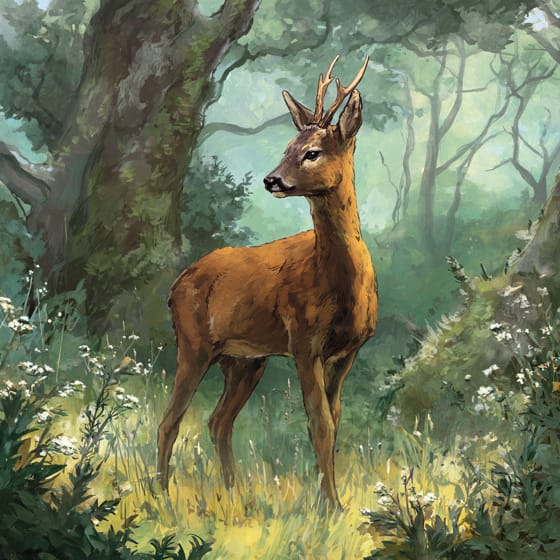
Capreolus capreolus
Roe deer sometimes browse on its leaves in natural habitats.
Flowering plants are any plants that produce flowers as part of their reproductive cycle.
Summer blooming plants produce their flowers during the summer season, often providing vibrant color when many other plants have finished.
Fragrant flowers emit a pleasant aroma, often to attract pollinators or for defense.
Colorful describes organisms or objects displaying a wide range of bright and distinct colors.

Describes plants that are particularly attractive and beneficial to a wide range of pollinating organisms.

This habitat trait identifies species found in mountainous regions, characterized by high elevation, steep slopes, and varying climate zones.
No aliases listed yet.
Danger
1/5 · Very low
Always look but don't touch plants unless a grown-up says it's okay.
The easiest way to identify red bistort is to use the Snappit nature identifier app.
30-120 cm
30-60 cm
0.2-0.5 cm
Summer to Fall
Yes
None
Perennial
Zoom in to split clusters and explore where this object has been snapped.
Recent snaps will appear here as new observations are added.
Take the discovery with you
Snap it with Snappit to identify it, learn what makes it special, and add the discovery to your collection.








.jpg&width=800)


_001.jpg&width=800)




