Red Chanterelle
cantharellus cinnabarinus
The Red Chanterelle is a bright orange mushroom that looks like a little cup! It loves to grow in the woods, making it a fun find for nature explorers!
Habitat: Red Chanterelles grow in moist, wooded areas, often under hardwood trees.
The Red Chanterelle is a strikingly cinnabar to orange-red mushroom with a funnel-shaped cap and a wavy margin. Its underside features blunt, fold-like ridges that run down the stem, not true gills. This vibrant color makes it stand out against the forest floor.
Category
FungiRarity
Common
Danger
1/5 · Very low
Snaps
2
It's a fantastic forager's find, highly prized for its delicious, slightly peppery flavor.
Its 'gills' are actually blunt, fold-like ridges, not true gills like many other mushrooms!
The bright red color is so unique, it's named 'cinnabarinus' after a type of red pigment!
This vibrant mushroom often smells faintly like sweet apricots, especially when fresh!
Red Chanterelle forms a special underground network with tree roots, sharing nutrients that help both grow strong.
Red Chanterelle releases microscopic spores that can travel far on the wind, spreading new life through forests.
Red Chanterelle has a faint apricot-like scent that might attract small insects, helping them spread their spores.
Solitary animals live alone for most of their lives, only interacting with others for mating or parental care.
Colorful describes organisms or objects displaying a wide range of bright and distinct colors.
Describes organisms that break down dead organic material, recycling nutrients back into the ecosystem.
Forest habitats are terrestrial environments dominated by dense tree cover, supporting a high diversity of plant and animal life.
Danger
1/5 · Very low
Always ask an adult before touching or eating wild mushrooms.
The easiest way to identify Red Chanterelle is to use the Snappit nature identifier app.
2-8 cm
edible
1-6 cm
Red Chanterelles grow in moist, wooded areas, often under hardwood trees.
soil
Summer to Fall
White to pale yellow
Zoom in to split clusters and explore where this object has been snapped.

Arkansas, US
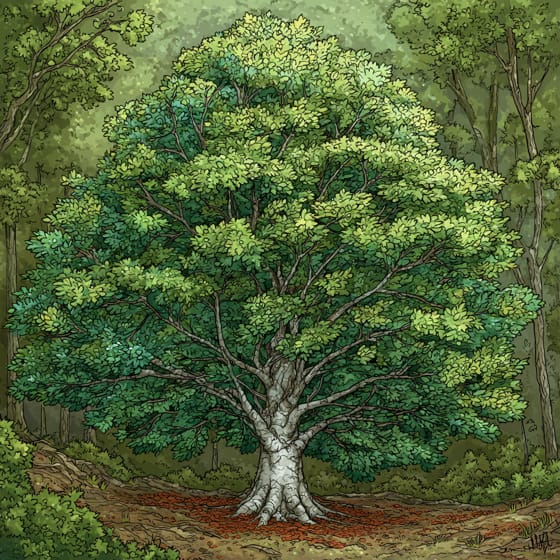
You might spot Pear-Shaped Puffball and American Beautyberry.
View guide →

Alabama, US
You might spot Red-Headed Woodpecker and Hardwood Stump Borer.
View guide →
Oklahoma, US
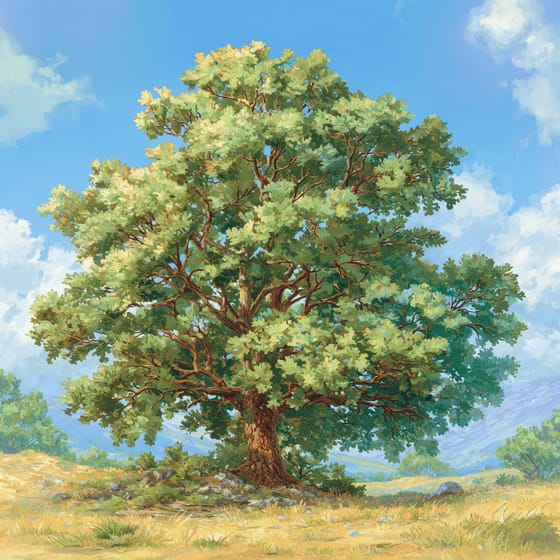
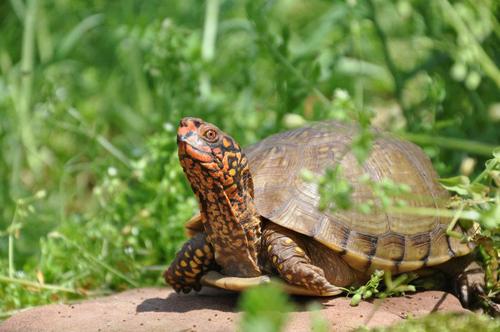
You might spot Three-Toed Box Turtle and Blackjack Oak.
View guide →
Take the discovery with you
Snap it with Snappit to identify it, learn what makes it special, and add the discovery to your collection.