





Red-rumped Agouti
Dasyprocta leporina
The Red-rumped Agouti is a cute, furry animal with a reddish-brown back and a fluffy tail. They love to eat fruits, nuts, and seeds and are great at hiding food for later!
Habitat: Forests
The Red-rumped Agouti is a medium-sized rodent with a body resembling a large guinea pig or small deer. Its coarse fur is typically olive or blackish, with a striking reddish-orange patch on its rump, making it easy to identify. It has slender legs and small, rounded ears.
Category
MammalsRarity
Common
Danger
1/5 · Very low
Snaps
Be the first to snap!
Agoutis are sometimes called "jungle gardeners" because they plant so many seeds.
They can stand on their hind legs to look for danger, just like a prairie dog!
They have a special pouch in their cheek to carry extra snacks for later.
When alarmed, they may stomp their feet and bark loudly to warn others!
Red-rumped Agouti can bury seeds because of their strong digging claws, which helps them store food and spread new plants.
Red-rumped Agouti has incredibly strong jaws and teeth that help them crack open extremely tough nuts and seeds.
Red-rumped Agouti can make powerful leaps, sometimes over 6 feet high, which helps them quickly escape from predators.
These forest friends love to munch on fallen fruits, nuts, and seeds from jungle plants.
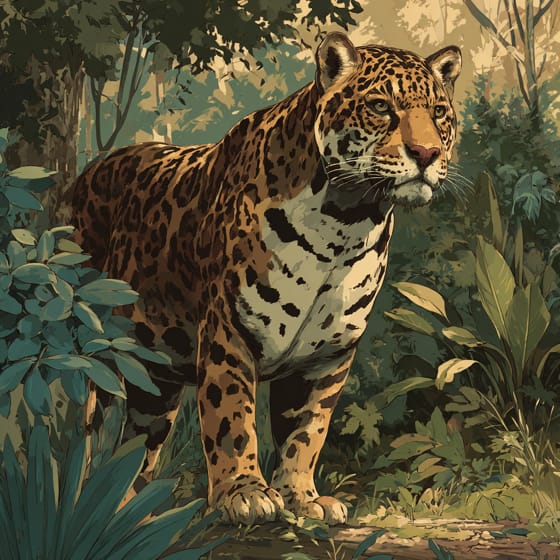
Panthera onca
A major predator, hunting agoutis in their jungle home.
Bertholletia excelsa
Agoutis are vital for dispersing and burying its large, tough seeds.
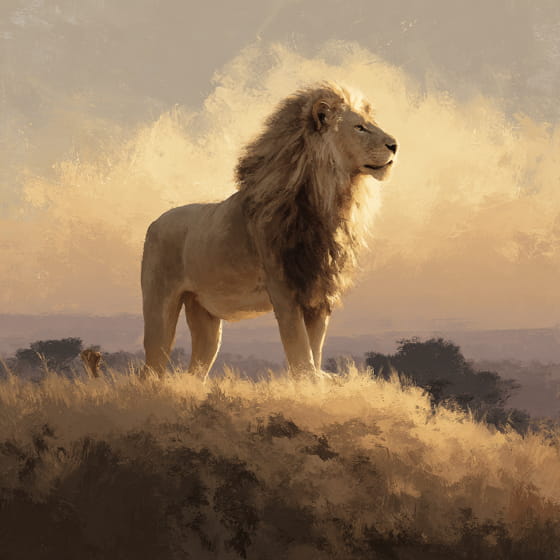
Puma concolor
This powerful cat also preys on the agouti across its range.
Furry describes animals possessing a dense covering of soft hair or fur.
This trait characterizes organisms whose diet consists entirely or primarily of plant material.
Forest habitats are terrestrial environments dominated by dense tree cover, supporting a high diversity of plant and animal life.
Diurnal animals are primarily active during daylight hours, typically resting or sleeping at night.

Describes a species whose presence and role have a disproportionately large effect on its environment.

This trait identifies organisms that exhibit exceptional swiftness in movement for hunting, escape, or travel.
No aliases listed yet.
Danger
1/5 · Very low
Always observe animals from a distance and never try to touch or feed them.
The easiest way to identify Red-rumped Agouti is to use the Snappit nature identifier app.
45-65 cm
2.5-6 kg
10-15 years
55 km/h
These forest friends love to munch on fallen fruits, nuts, and seeds from jungle plants.
Forests
Foraging
Zoom in to split clusters and explore where this object has been snapped.
Recent snaps will appear here as new observations are added.
Take the discovery with you
Snap it with Snappit to identify it, learn what makes it special, and add the discovery to your collection.




.jpg&width=800)

.JPG&width=800)


.jpg&width=800)
