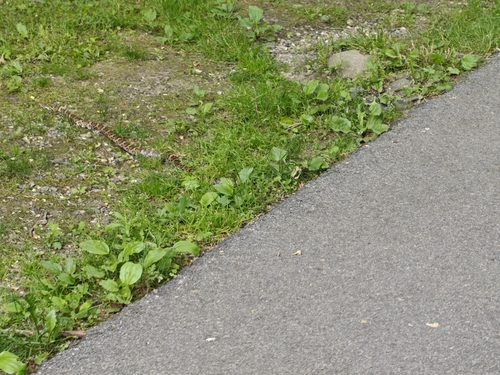
Milk Snake
Lampropeltis triangulum
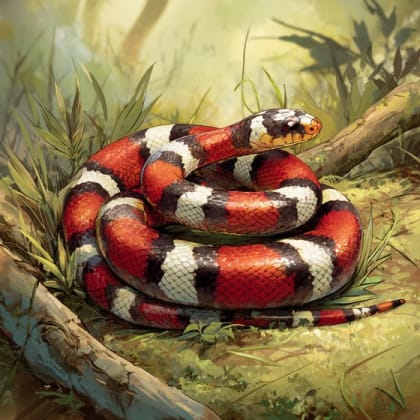
The Milk Snake is known for its colorful bands of red, black, and yellow! They are often mistaken for poisonous snakes but are completely harmless.
Habitat: Forests and grasslands
The Milk Snake has striking red, black, and cream or yellow bands that often mimic the pattern of the venomous Coral Snake. Its head is small and not distinctly wider than its body, blending seamlessly into its patterned scales. The characteristic banding makes it visually distinct from most other non-venomous snakes.
Category
ReptilesRarity
Common
Danger
2/5 · Low
Snaps
53
Its name came from an old myth about it drinking milk from cows!
Milk snakes can survive freezing temperatures by brumating underground!
These snakes don't have fangs; they constrict their prey instead!
They often wiggle their tail to scare off threats, pretending to be rattlesnakes!
Milk Snake can squeeze its prey tightly because its strong muscles help it constrict and overpower small rodents and other animals.
Milk Snake has a patterned skin that helps it blend perfectly into leaf litter and forest floors, hiding it from both predators and prey.
They are skilled hunters, preying on a variety of small animals they find on the ground.
Age differences: Young milk snakes often eat insects, slugs, and worms, transitioning to larger prey as they grow.

Peromyscus leucopus
A common prey item for adult milk snakes.
Microtus pennsylvanicus
Another significant food source, especially in grassy habitats.
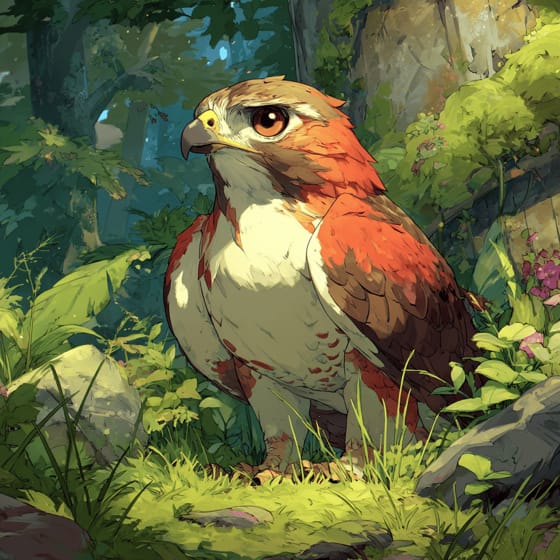
Buteo jamaicensis
A predatory bird that hunts snakes, including milk snakes.
Didelphis virginiana
An opportunistic predator that may consume milk snakes.
Wildlife encompasses all undomesticated animal and plant life existing in their natural habitats.
Colorful describes organisms or objects displaying a wide range of bright and distinct colors.
Forest habitats are terrestrial environments dominated by dense tree cover, supporting a high diversity of plant and animal life.
This trait identifies organisms whose diet consists entirely or primarily of animal tissue.

Nocturnal animals are primarily active during the nighttime hours, typically resting or sleeping during the day.
Danger
2/5 · Low
Look but don’t touch. Keep a safe distance and wash hands after exploring.
The easiest way to identify Milk Snake is to use the Snappit nature identifier app.
60-150 cm
0.2-0.5 kg
10-20 years
6 km/h
They are skilled hunters, preying on a variety of small animals they find on the ground.
Forests and grasslands
Ambush
Zoom in to split clusters and explore where this object has been snapped.
Jun 4, 2026
Teatown Lake ReservationPhoto attribution
(c) Alec Story, some rights reserved (CC BY-SA)
License: CC BY-SA 4.0 ↗
Image may be shown cropped inside the card frame.

Rhode Island, US
You might spot Rugosa Rose and American Herring Gull.
View guide →

Massachusetts, US
You might spot Common Eastern Bumble Bee and Asian Lady Beetle.
View guide →

Michigan, US
You might spot Yellow Lady's Slipper and Ring-Billed Gull.
View guide →

Wisconsin, US
You might spot American Cancer-Root and Eastern White Pine.
View guide →

Michigan, US
You might spot Eastern Box Turtle, Autumn Olive, and Common Watersnake.
View guide →

US
You might spot Rugosa Rose and American Herring Gull.
View guide →
Take the discovery with you
Snap it with Snappit to identify it, learn what makes it special, and add the discovery to your collection.