





sugar hackberry
Celtis laevigata
The sugar hackberry is a tall tree with smooth, light-colored bark and green leaves. It produces sweet berries that many birds and animals love to eat!
Habitat: Forests
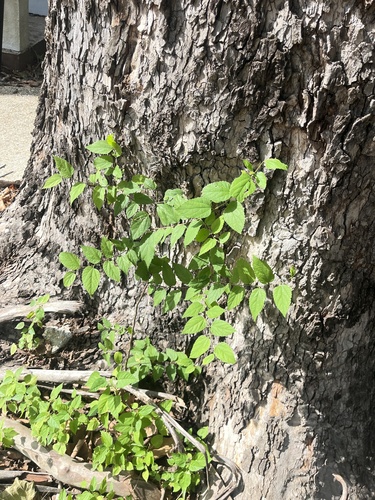
The sugar hackberry has distinctive light gray bark often covered in corky, wart-like growths that make it easily recognizable. Its slender, lance-shaped leaves have smooth or finely toothed edges and an asymmetrical base, while its small, sweet, dark purple berries are pea-sized.
Category
PlantsRarity
Common
Danger
1/5 · Very low
Snaps
7
Birds love its sweet berries so much, they help spread the tree's seeds far and wide!
Even though it's a tree, its tiny green flowers don't have colorful petals to attract pollinators!
Its strange, warty bark looks like bumps and ridges, making it feel very unique to touch!
The wood of the sugar hackberry is tough, once used for making cheap furniture and baskets!
The sugar hackberry can grow in dry soils, using its deep roots to find water when other plants struggle.
Sugar hackberry has tough, warty bark that protects its trunk from damage and provides shelter for small insects.
This tree keeps its sweet berries on branches into winter, offering a vital food source for hungry birds and wildlife.
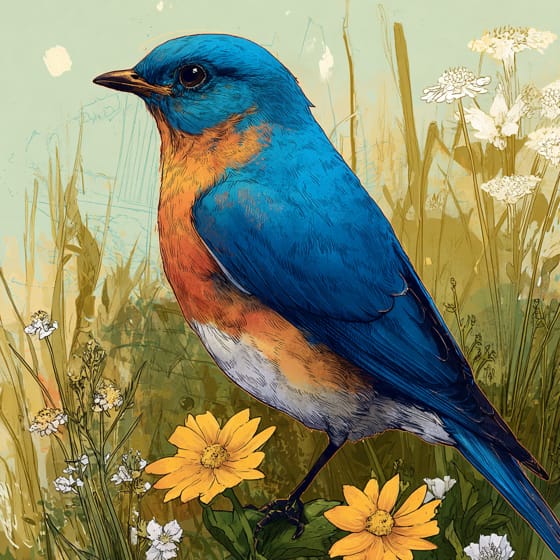
Sialia sialis
eats its sweet, nutrient-rich berries
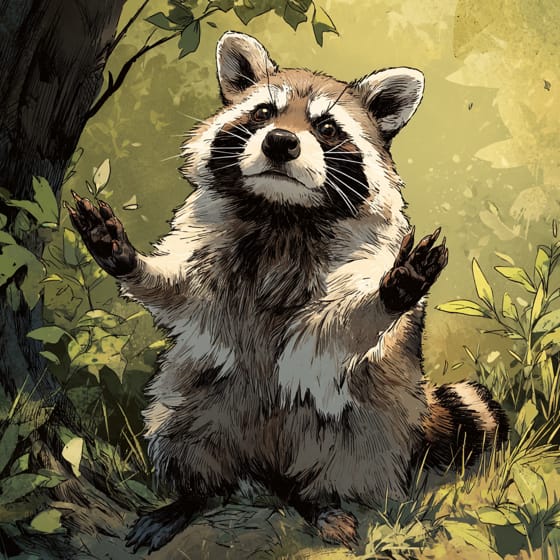
Procyon lotor
consumes the tree's ripe berries
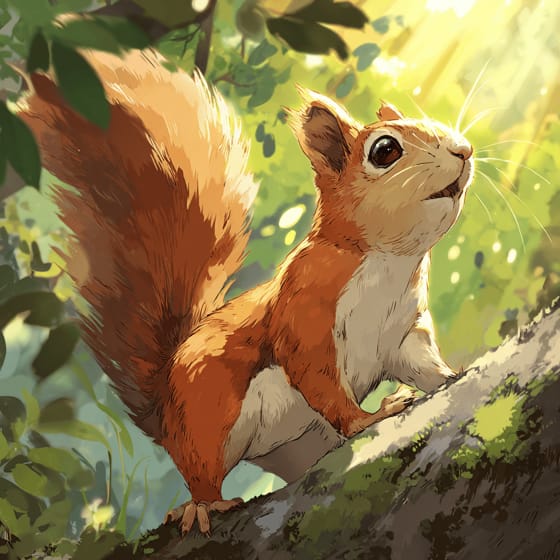
Sciurus carolinensis
nests and finds refuge in its branches
Apodrepanulatrix liberaria
larvae feed on its leaves
Deciduous plants periodically shed all their leaves, typically during autumn or dry seasons.
Shade tolerant plants are adapted to grow and thrive in areas with low light levels, requiring less direct sunlight.
Broadleaf trees are angiosperms characterized by flat, wide leaves that are typically shed annually in temperate climates.
Fruit-bearing plants produce fruits, which are the mature ovaries of flowering plants containing seeds.

A fruit tree is a perennial tree that produces fruit, which is edible to humans or animals.

Edible plants are those parts of a plant that are considered safe for human consumption.

Fall color refers to the seasonal change in foliage pigmentation, primarily in deciduous plants, displaying vibrant hues.

Forest habitats are terrestrial environments dominated by dense tree cover, supporting a high diversity of plant and animal life.

This trait characterizes organisms with an exceptionally long lifespan compared to others of their kind.
No aliases listed yet.
Danger
1/5 · Very low
Always stay on paths when exploring near trees and watch out for falling branches.
The easiest way to identify sugar hackberry is to use the Snappit nature identifier app.
1000-2500 cm
800-1500 cm
0.2-0.4 cm
Spring
Yes
None
Perennial
Zoom in to split clusters and explore where this object has been snapped.
Jun 19, 2026
BroadmoorPhoto attribution
(c) Elliot Greiner, some rights reserved (CC BY)
License: CC BY 4.0 ↗
Image may be shown cropped inside the card frame.

South Carolina, US
You might spot Anole, Green Treefrog, and Eastern Gray Squirrel.
View guide →

Louisiana, US
You might spot Brown Anole, White Ibis, and Duck.
View guide →

Georgia, US
You might spot Brown Anole, Anole, and Gulf Fritillary.
View guide →

Georgia, US
You might spot Eastern Gray Squirrel, Domestic Cat, and American Robin.
View guide →
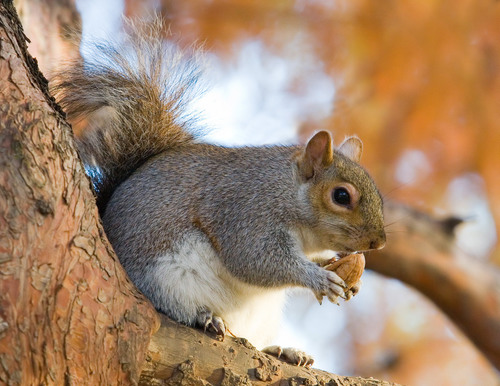
Georgia, US
You might spot Eastern Gray Squirrel, Domestic Cat, and American Robin.
View guide →

Florida, US
You might spot Brown Anole, Osprey, and White Ibis.
View guide →
Take the discovery with you
Snap it with Snappit to identify it, learn what makes it special, and add the discovery to your collection.







.jpg&width=800)


_001.jpg&width=800)

