





Rough-skinned Newt
Taricha granulosa
Rough-skinned newts are small amphibians with bumpy skin. They live near water and have bright orange bellies to warn predators that they're poisonous.
Habitat: Wetlands
The Rough-skinned Newt has a rough, granular skin that is dark olive-brown to black on its back. Its underside is a striking bright orange or yellow. Its tail is laterally compressed when in water, giving it a paddle-like appearance.
Category
AmphibiansRarity
Common
Danger
3/5 · Moderate
Snaps
60
A single newt contains enough poison to kill up to 15 adult humans!
Rough-skinned Newts can live up to 20 years, sometimes even longer!
These newts rub their front feet over their eyes to keep them clean!
They amazingly return to the same pond every year to lay their eggs!
Rough-skinned Newts can produce a potent neurotoxin in their skin that deters most predators.
Rough-skinned Newts can regrow lost limbs, tails, and even parts of their brains and eyes.
Rough-skinned Newts have bright orange undersides that warn predators of their toxic defense.
Rough-skinned Newts have skin that absorbs oxygen directly from the water, allowing long submersion.
These newts eat small invertebrates like worms and insects both on land and in water.
Age differences: Larvae eat tiny aquatic invertebrates; adults switch to a broader diet of terrestrial and aquatic prey.
Thamnophis sirtalis
One of the few predators resistant to its toxins.
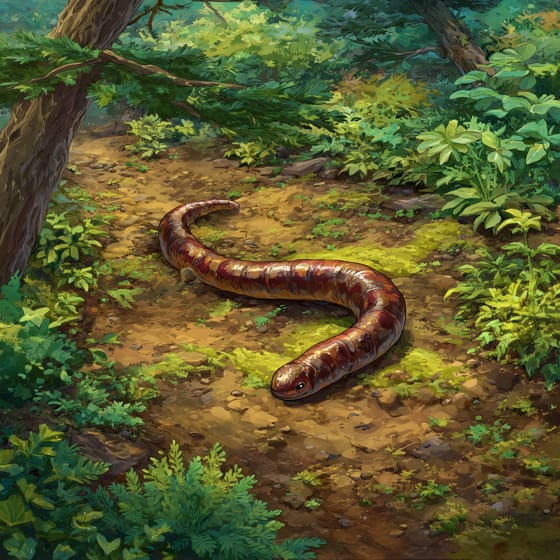
Lumbricus terrestris
A common terrestrial food source.
Limax maximus
Opportunistically preyed upon by adults.
Wildlife encompasses all undomesticated animal and plant life existing in their natural habitats.
This habitat trait identifies species found in wetlands, which are areas of land saturated with water, either permanently or seasonally, including marshes, swamps, and bogs.
This trait identifies organisms whose diet consists entirely or primarily of animal tissue.
Regenerative organisms possess the ability to regrow lost or damaged body parts, tissues, or organs.

Aquatic habitats encompass environments where organisms live predominantly in water, including oceans, rivers, lakes, and wetlands.

Poisonous organisms produce toxins that can cause harm when ingested, inhaled, or absorbed through contact.

Nocturnal animals are primarily active during the nighttime hours, typically resting or sleeping during the day.

Venomous organisms produce toxins that are injected into another animal, typically through a bite or sting.
Danger
3/5 · Moderate
Never touch or try to catch a rough-skinned newt as their skin can be toxic. Enjoy watching them from a safe distance.
The easiest way to identify Rough-skinned Newt is to use the Snappit nature identifier app.
6-12 cm
0.005-0.015 kg
10-15 years
0.1 km/h
These newts eat small invertebrates like worms and insects both on land and in water.
Wetlands
Foraging
Zoom in to split clusters and explore where this object has been snapped.

California, US
You might spot Western Fence Lizard and Pacific Poison Oak.
View guide →

Oregon, US
You might spot Rough-Skinned Newt and Isabella Tiger Moth.
View guide →

Washington, US
You might spot Wood Duck, Rough-Skinned Newt, and Pacific Trillium.
View guide →

Oregon, US
You might spot Rough-Skinned Newt and Northern Red-Legged Frog.
View guide →

Oregon, US
You might spot Rough-Skinned Newt and Pacific Banana Slug.
View guide →

California, US
You might spot Pacific Banana Slug and Pacific Trillium.
View guide →
Take the discovery with you
Snap it with Snappit to identify it, learn what makes it special, and add the discovery to your collection.










.JPG&width=800)




.jpg&width=800)

