Banana Slug

### English Camp - San Juan Island National Historical Park: A Journey Through History and Nature
### English Camp - San Juan Island National Historical Park: A Journey Through History and Nature
Nestled on the tranquil shores of Garrison Bay on San Juan Island, English Camp offers a captivating blend of meticulously preserved history and stunning Pacific Northwest natural beauty. This unique National Historical Park stands as a testament to the peaceful resolution of the 19th-century "Pig War" boundary dispute between Great Britain and the United States, making it a site of global historical significance. Visitors can step back in time to explore the remnants of a Royal Marine encampment while immersing themselves in a diverse coastal ecosystem.
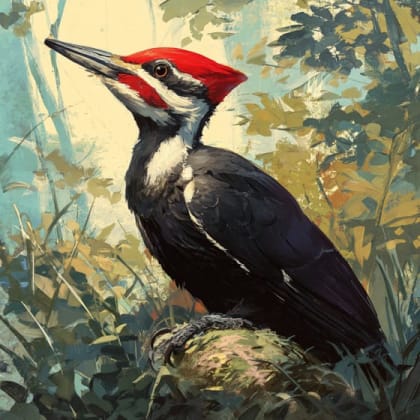
The park invites exploration with its well-preserved historic structures, including the original Parade Ground, barracks, blockhouse, commissary, and a delightful formal garden, designed to remind homesick officers of England. Beyond the historical core, a network of scenic trails beckons, winding through lush forests of Oregon oak, bigleaf maple, and Pacific madrone, and along the picturesque shoreline. Keep an eye out for diverse flora like the delicate Fairy-slipper and vibrant Henderson's shooting star, or perhaps spot wildlife such as a Pileated Woodpecker, Mule Deer, or the iconic Pacific Banana Slug. The shoreline also offers opportunities to observe marine life and a variety of birds.
A visit to English Camp is an unforgettable experience, offering a serene escape where history and nature coalesce. Whether you're hiking to the panoramic views from Young Hill, enjoying a picnic amidst historical barracks, or simply strolling along the bay, the park provides a rich tapestry of educational and recreational opportunities. It's a place where the echoes of a bloodless conflict meet the vibrant life of the Salish Sea, inspiring reflection and appreciation for both human heritage and the natural world. Turn your visit into a safari! Use the Snappit app to scan and log wildlife sightings here.
English Camp's history is inextricably linked to the "Pig War," a nearly bloodless boundary dispute between the United States and Great Britain over the ownership of the San Juan Islands in the mid-19th century. Although Coast Salish tribes had inhabited the Garrison Bay area for millennia, creating a significant shell midden at the site, the Royal Marines established English Camp here on March 21, 1860. This British military post, built on the northwest side of San Juan Island, stood in peaceful joint occupation with the American Camp on the island's southern end for 12 years, from 1860 to 1872. The dispute was finally settled by arbitration under Kaiser Wilhelm I of Germany in 1872, who awarded the islands to the United States. Following this decision, the Royal Marines departed in November 1872, leaving behind the structures that form the core of today's historical park. The site is unique as one of the few places where a U.S. National Park honors a British military site, with the Union Jack still flown daily by park rangers.
Explore the historic buildings and read interpretive panels detailing life during the joint occupation.
Hike the various trails, including the path to Young Hill or the easier woodland and bay loops.
Enjoy a picnic at the available tables overlooking Garrison Bay.
Spot wildlife such as Mule Deer, various bird species like Osprey and Pileated Woodpecker, and smaller creatures like the Pacific Banana Slug. Orcas can occasionally be seen from the shore.
Attend summer events like historical reenactments and ranger-guided programs.
Spring: Wildflowers carpet the forest floors, including Fairy-slipper, Henderson's shooting star, and giant white fawn lily. Migrating birds return, and Orca sightings are common.
Summer: Peak season for historical reenactments, ranger programs, and events. Expect warm, pleasant weather.
Fall: Enjoy vibrant fall foliage from trees like the bigleaf maple and Pacific madrone. Fewer crowds and excellent birdwatching opportunities.
Winter: Quieter, with opportunities for peaceful walks, though the visitor center may have limited hours.
Public restrooms and picnic tables are available. Some lower trails are more accessible, and a golf cart may be available for those with accessibility issues near the visitor center (check seasonal availability). However, the hike to Young Hill is steep and not wheelchair-friendly.
The central historical area with surviving buildings.
Commissary (now the visitor center), barracks, blockhouse, and formal garden.
Offers a moderately strenuous hike to the Royal Marine Cemetery and panoramic views of Vancouver Island, the Olympic Mountains, and Haro Strait.
A beautifully maintained garden patterned after the original planted for a captain's homesick wife.
Each card links to a full Explore page with photos, traits, and fun facts.
Start with the big picture, then zoom in to explore individual wildlife observations around this place.
Wear Layers and Bring Water
Weather on San Juan Island can change quickly, so dress in layers. Always carry water, especially for longer hikes like Young Hill.
Download/Print a Map
Cellular service can be spotty on this side of the island, so have a map downloaded or printed before you arrive.
Pack a Picnic
English Camp has picnic tables, making it an ideal spot to enjoy a meal amidst history and nature.
Explore Young Hill
Don't miss the hike to Young Hill for historical insights at the Royal Marine Cemetery and spectacular panoramic views.
Look for Seasonal Events
If visiting in summer, check the National Park Service website for schedules of ranger-guided walks and historical reenactments.
Respect Wildlife
Keep a respectful distance from animals and do not feed them. Remember to leave no trace of your visit.
Oct 22, 2025
Jun 3, 2025
May 23, 2025
Apr 24, 2025
Apr 10, 2025

Maryland, US
You might spot White-Tailed Deer and Eastern Gray Squirrel.
View guide →
.jpg)
District of Columbia, US
You might spot Eastern Gray Squirrel, Duck, and House Sparrow.
View guide →

Illinois, US
You might spot American Robin, Canada Goose, and House Sparrow.
View guide →

Virginia, US
You might spot Spotted Lanternfly and Northern Cardinal.
View guide →
Take the discovery with you
Identify the wildlife you spot, learn as you go, and keep a collection of the adventure.