Harbor Seal

Nestled on the rugged northeast tip of Galiano Island, overlooking the active waters of Porlier Pass, Dionisio Point Provincial Park is a captivating marine-accessed wilderness haven.
Nestled on the rugged northeast tip of Galiano Island, overlooking the active waters of Porlier Pass, Dionisio Point Provincial Park is a captivating marine-accessed wilderness haven. This provincial park offers a serene escape, characterized by its dramatic rocky headlands, expansive sandy beaches, and picturesque bays. Accessible solely by boat, it provides an unparalleled sense of seclusion, making it a cherished destination for those seeking tranquility amidst the raw beauty of the Southern Gulf Islands. The park's diverse landscape, from lush forests to vibrant intertidal zones, creates a rich tapestry of natural wonders waiting to be explored.
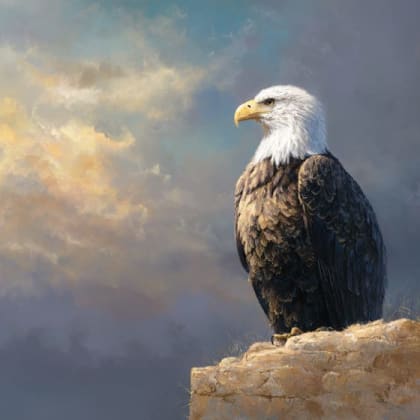
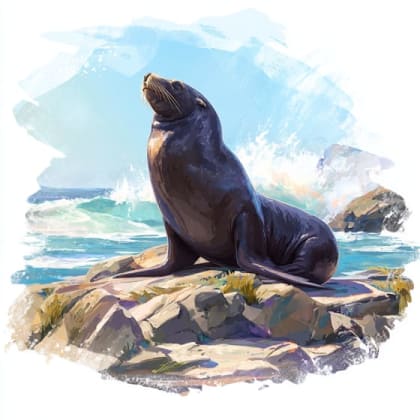
The park's unique shoreline is sculpted by erosion, featuring fascinating sandstone formations, pebble beaches, and rich tide pools. Here, visitors can discover a vibrant underwater world, teeming with marine life such as the vivid Ochre Sea Star, nudibranchs, and chitons. Above the high tide line, the forested uplands burst with colourful wildflower meadows, showcasing species like Broad-leaved Stonecrop, Henderson's shooting star, Fairy-slipper, and giant white fawn lily. Birdwatchers will delight in sightings of Black Oystercatchers, Great Blue Herons, and majestic Bald Eagles, while keen observers might spot Harbor Seals and Steller Sea Lions basking offshore.
Dionisio Point Provincial Park is a truly memorable destination, offering a harmonious blend of ecological richness, stunning coastal scenery, and profound historical significance. Its boat-only access ensures a quieter, more intimate encounter with nature, making it ideal for kayaking, scuba diving, and wildlife viewing. The opportunity to explore ancient shell middens, walk along pristine beaches, and immerse oneself in the unspoiled beauty of this Gulf Island gem promises an unforgettable wilderness experience for all who visit. Enhance your adventure: download the Snappit app to identify the local species you encounter.
Dionisio Point Provincial Park boasts a rich human history spanning over 3,000 years. Large shell middens and berms found along the shoreline indicate extensive occupation by the Penelakut First Nation long before European contact. These archaeological sites, protected under B.C. law, offer invaluable clues to understanding earlier cultures and are identified through interpretive signage in areas like Maple Bay. The park's name itself originates from Spanish explorer Captain Dionisio Alcalá Galiano, who sailed these waters aboard the ship *Sutil* in 1792. The area also served as a popular summer camping spot for commercial inshore fishing families from Vancouver Island from the early 1900s to the 1960s. The provincial park was officially established on July 31, 1991.
Kayaking and Boating: Explore the varied coastline, private coves, and observe marine life from the water.
Wildlife Viewing: Spot Harbor Seals, Steller Sea Lions, Orcas, various sea birds (like Black Oystercatchers and Great Blue Herons), and land animals such as black-tailed deer.
Hiking: Discover maintained trails, including the easy-grade Coon Bay Hiking Trail, leading to scenic viewpoints and beaches.
Beachcombing: Stroll along sandy and pebble beaches, searching for unique shells and driftwood.
Tide Pooling: Observe marine organisms like Ochre Sea Stars, nudibranchs, and chitons in the intertidal zones.
Scuba Diving: Explore the rich marine ecosystems beneath the surface.
Walk-in Camping: Enjoy wilderness camping at one of 30 boat-accessible sites.
Water: Drinking water is available from May 1 – September 30, but a boil water advisory is usually in place; water must be boiled, filtered, or treated before consumption.
Fires: A strict "No Fires" regulation is enforced year-round.
Shellfish: Paralytic Shellfish Poisoning can be an issue; check with Fisheries and Oceans Canada for closures before consuming any shellfish.
This park is **marine access only**; there is no public road, vehicle, or bicycle access. Facilities within the park are basic, including pit toilets and a cold water hand pump in some camping and day-use areas. Given the boat-only access and rugged terrain, the park is not wheelchair accessible.
Sculpted sandstone formations, vibrant tide pools, Coon Bay (a shallow bay with a day-use area), ancient First Nation shell middens, and panoramic views of Porlier Pass.
Each card links to a full Explore page with photos, traits, and fun facts.
Start with the big picture, then zoom in to explore individual wildlife observations around this place.
Plan your marine access carefully
Check marine charts and tidal currents, especially when navigating Porlier Pass, as currents can be strong.
Practice Leave No Trace principles
Pack out all garbage, as facilities for waste disposal are not provided.
Boil or treat all drinking water
While water is available from May-Sept, a boil water advisory is typically in effect, so come prepared to purify your water.
Respect marine life and archaeological sites: Do not disturb tide pool creatures, remove shells, or overturn rocks without carefully replacing them. The ancient shell middens are protected and should not be disturbed.
Secure food items
Protect your foodstuffs in tight containers to prevent raccoons and crows from accessing them.
Book backcountry permits online
Although not a reservation for a specific site, pre-purchasing your backcountry permit online can save you time and the need to carry cash.
Sep 28, 2025
Aug 2, 2025
Jun 16, 2025
Jun 2, 2025
Apr 22, 2025

Maryland, US
You might spot White-Tailed Deer and Eastern Gray Squirrel.
View guide →
.jpg)
District of Columbia, US
You might spot Eastern Gray Squirrel, Duck, and House Sparrow.
View guide →

Illinois, US
You might spot American Robin, Canada Goose, and House Sparrow.
View guide →

Virginia, US
You might spot Spotted Lanternfly and Northern Cardinal.
View guide →
Take the discovery with you
Identify the wildlife you spot, learn as you go, and keep a collection of the adventure.