





sagebrush buttercup
Ranunculus glaberrimus
The sagebrush buttercup is a bright yellow flower that loves to grow in sunny places. Its cheerful petals can make anyone smile and are often found in meadows and grasslands.
Habitat: Grasslands
The sagebrush buttercup has bright, waxy, lemon-yellow petals, usually 5 to 10 per flower, that are famously glossy. It grows on short stems from basal leaves, often appearing as one of the first splashes of color in spring.
Category
PlantsRarity
Common
Danger
1/5 · Very low
Snaps
Be the first to snap!
Chewing this plant releases a bitter juice, making animals spit it out quickly!
It often blooms so early, it pushes its way through melting snow!
Its shiny, waxy petals are like tiny mirrors, reflecting sunlight to warm the flower.
The 'buttercup' name comes from the way its bright yellow color matches fresh butter!
Sagebrush buttercup can flower extremely early, often pushing through melting snow to be one of the first spring blooms.
Its glossy, cup-shaped petals reflect sunlight, helping to warm the flower and attract early-season pollinators.
Sagebrush buttercup has a bitter, mildly toxic sap that deters most hungry herbivores from taking a bite.
Apis mellifera
collects nectar and pollen from early blooms
Bombus occidentalis
one of the earliest native bee visitors
Andrena placida
a native bee species specialized in early spring flowers
Flowering plants are any plants that produce flowers as part of their reproductive cycle.
Spring blooming plants produce their flowers during the spring season, often signifying the end of winter and the start of new growth.
Colorful describes organisms or objects displaying a wide range of bright and distinct colors.
Edible plants are those parts of a plant that are considered safe for human consumption.

Grassland habitats are terrestrial biomes dominated by grasses and herbaceous plants, supporting a variety of grazing animals.

Describes plants that are particularly attractive and beneficial to a wide range of pollinating organisms.
No aliases listed yet.
Danger
1/5 · Very low
Don't eat any flowers you find, even if they look pretty!
The easiest way to identify sagebrush buttercup is to use the Snappit nature identifier app.
5-20 cm
10-30 cm
1-2.5 cm
Early spring
No
Mild
Perennial
Zoom in to split clusters and explore where this object has been snapped.
Recent snaps will appear here as new observations are added.

Washington, US
You might spot Arrowleaf Balsamroot and Canada Goose.
View guide →
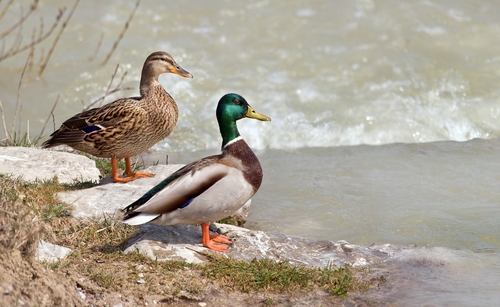
Washington, US
You might spot Duck, Yellow-Bellied Marmot, and Canada Goose.
View guide →

Washington, US
You might spot Eastern Gray Squirrel, Yellow-Bellied Marmot, and Duck.
View guide →

Washington, US
You might spot Duck, Common Alkanet, and Arrowleaf Balsamroot.
View guide →
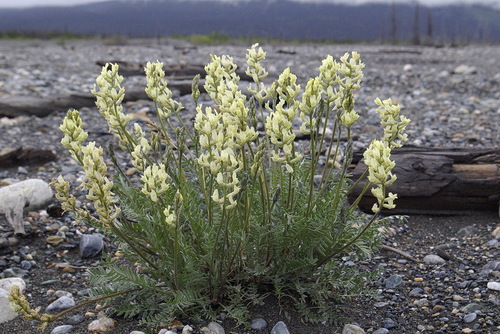
British Columbia, CA
You might spot Field Locoweed, Silky Lupine, and Wax Currant.
View guide →
Take the discovery with you
Snap it with Snappit to identify it, learn what makes it special, and add the discovery to your collection.








.jpg&width=800)



_001.jpg&width=800)



