Duck

Nine Mile Dam is a historic hydroelectric landmark and a gateway to the scenic Spokane River, perfect for history buffs and outdoor enthusiasts alike.
Nine Mile Dam is a historic hydroelectric landmark and a gateway to the scenic Spokane River, perfect for history buffs and outdoor enthusiasts alike. Nestled in Washington, this site combines early 20th-century industrial heritage with abundant natural recreation, earning its place on the National Register of Historic Places.
Visitors can marvel at the impressive 1908 cyclopean masonry dam and its original powerhouse, which once powered Spokane's interurban railway system. The site also features ten beautifully preserved Craftsman and English Cottage-style brick homes, built in the late 1920s to house the dam's employees, offering a unique glimpse into the past. Adjacent to the dam, the Nine Mile Reservoir provides a tranquil setting for paddling, fishing, and enjoying the river's serene waters.
A visit to Nine Mile Dam promises a memorable experience, whether you're exploring the architectural marvels, picnicking by the river, or casting a line for trout. It's a place where history and nature converge, offering picturesque views and a peaceful escape into Washington's rich heritage and stunning landscapes. The Nine Mile Overlook and Picnic Area provides interpretive signs and scenic viewing. Explore the grounds like a pro—download the Snappit app to instantly identify animals and plants.
The Nine Mile Dam was completed in 1908, initially constructed by J.P. Graves' Spokane Power Development Co. to generate electricity for the Spokane & Inland Empire Railroad's extensive interurban trolley lines. This groundbreaking project provided power for over 130 miles of electric railway, significantly contributing to the region's development. In 1925, Washington Water Power (now Avista) acquired the facility, and between 1928 and 1929, they built ten distinctive brick cottages in Craftsman and English Cottage styles to house dam personnel in what was then a remote location. The entire complex, including the dam, powerhouse, and cottages, was recognized for its historical significance and added to the National Register of Historic Places in 1990, making it one of the best-preserved hydroelectric plants in the state.
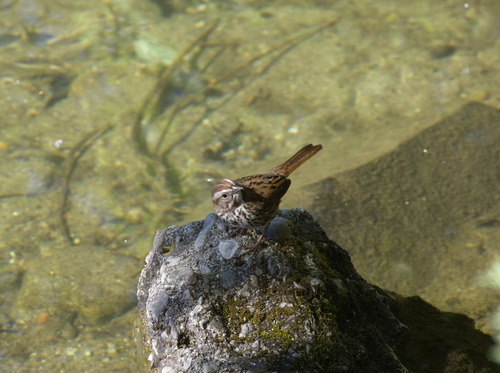
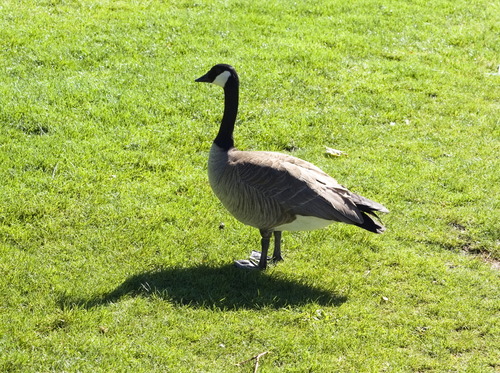
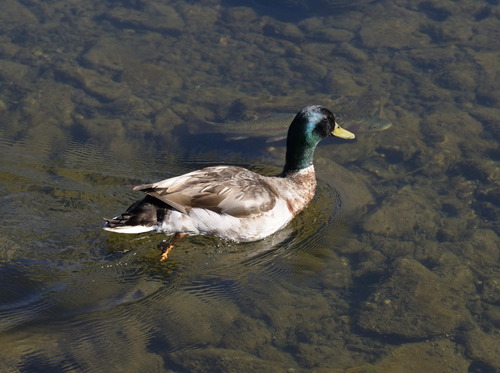
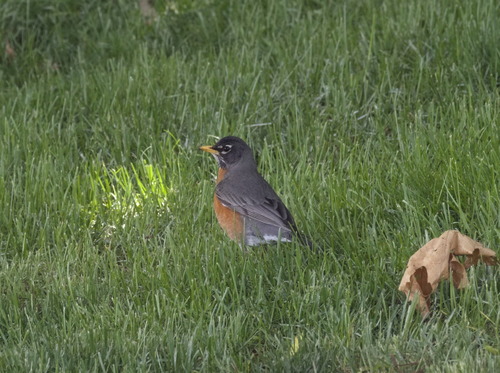
Take in the views of the historic dam, photograph the unique worker cottages, enjoy a picnic at the overlook, kayak or paddleboard on the Five Mile stretch of Nine Mile Reservoir, fish for smallmouth bass, northern pike, and rainbow trout, and observe local wildlife.
The Spokane River upstream of Nine Mile Dam is typically closed to trout fishing from March 16th to the Saturday before Memorial Day to protect spawning redband trout. During summer, the Nine Mile Recreation Area serves as a hub for water activities, though motorized boat traffic can be present.
The Nine Mile Overlook and Picnic Area features a paved parking area, trail, and scenic viewing area of the dam. Access points for smaller boats and rafts are available for launching onto the Nine Mile Reservoir.
The historic Nine Mile Dam and Powerhouse, the charming 1920s Craftsman and English Cottage style worker homes, the Nine Mile Overlook and Picnic Area, and the tranquil Nine Mile Reservoir.
Each card links to a full Explore page with photos, traits, and fun facts.
Start with the big picture, then zoom in to explore individual wildlife observations around this place.
Bring a camera to capture the historic architecture of the dam, powerhouse, and worker cottages, as well as the scenic beauty of the Spokane River.
Pack a picnic to enjoy at the Nine Mile Overlook and Picnic Area, which offers excellent views of the dam.
If planning water activities, check current water levels and conditions for the Nine Mile Reservoir, especially during spring runoff or high winds.
Always observe posted safety warnings and cables near the dam, as currents can be strong and dangerous.
Consider acquiring a Washington State Parks Discover Pass if you plan to use boat launch facilities or park in certain areas within Riverside State Park.
For fishing, review current Washington Department of Fish & Wildlife regulations, especially regarding trout seasons and catch-and-release rules for native redband trout.
May 21, 2026
Photo attribution
(c) rociojgo, some rights reserved (CC BY)
License: CC BY 4.0 ↗
Image may be shown cropped inside the card frame.
May 21, 2026
Photo attribution
(c) rociojgo, some rights reserved (CC BY)
License: CC BY 4.0 ↗
Image may be shown cropped inside the card frame.
May 21, 2026
Photo attribution
(c) rociojgo, some rights reserved (CC BY)
License: CC BY 4.0 ↗
Image may be shown cropped inside the card frame.
May 17, 2026
Photo attribution
(c) rociojgo, some rights reserved (CC BY)
License: CC BY 4.0 ↗
Image may be shown cropped inside the card frame.
May 16, 2026
Photo attribution
(c) rociojgo, some rights reserved (CC BY)
License: CC BY 4.0 ↗
Image may be shown cropped inside the card frame.

Maryland, US
You might spot White-Tailed Deer and Eastern Gray Squirrel.
View guide →
.jpg)
District of Columbia, US
You might spot Eastern Gray Squirrel, Duck, and House Sparrow.
View guide →

Illinois, US
You might spot American Robin, Canada Goose, and House Sparrow.
View guide →

Virginia, US
You might spot Spotted Lanternfly and Northern Cardinal.
View guide →
Take the discovery with you
Identify the wildlife you spot, learn as you go, and keep a collection of the adventure.