





Scarabs
Scarabaeidae
Scarabs are shiny beetles that are often found in gardens and fields. They are known for their unique shapes and colors, and they play an important role in nature by helping to clean up waste.
Habitat: Grasslands
The Scarabs has a distinctive stout, often rounded body, and can display a wide array of colors, from iridescent greens and blues to dull browns and blacks. They are characterized by their unique lamellate antennae, which can fan out, differentiating them from other beetle families.
Category
InsectsRarity
Common
Danger
1/5 · Very low
Snaps
Be the first to snap!
A few types of scarab beetles can glow in the dark, lighting up their forest homes!
Some scarab larvae live underground for years before becoming beetles!
Some scarabs can make loud squeaking sounds by rubbing body parts together!
The largest scarab beetle can be bigger than a human hand!
Scarabs can push and pull objects many times their own weight because of their powerful legs, which helps them dig tunnels and roll dung.
Scarabs has specialized lamellate antennae that helps them detect faint chemical signals, useful for finding mates or food.
Scarabs has an extremely hard exoskeleton that helps them protect their soft bodies from predators and impacts.
Scarabs mostly eat decaying plants, dung, or sometimes fresh leaves and flowers.
Age differences: Larvae often feed on decaying wood or roots, while adults consume dung, fungi, or plant matter.
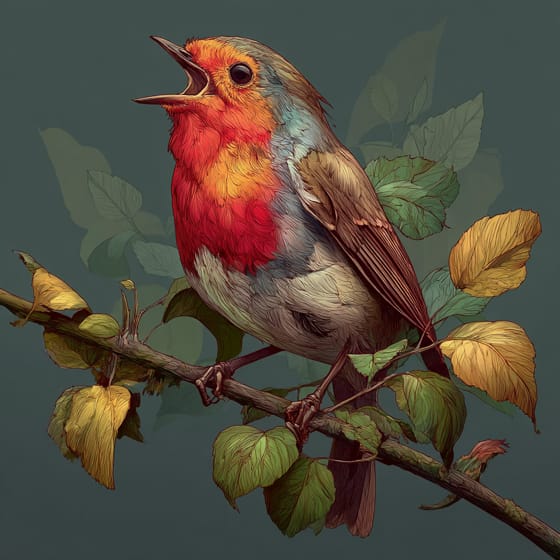
Turdus migratorius
Robins frequently forage for scarab larvae and adults.
Quercus robur
Some scarab larvae consume the roots and decaying wood of oak trees.
Bos taurus
Many dung beetles rely on cattle dung for food and for housing their larvae.
Tiphia vernalis
Female wasps lay eggs on scarab grubs, which their larvae then consume.
Scavengers consume dead organic matter, helping to decompose carcasses and other waste in the ecosystem.
Colorful describes organisms or objects displaying a wide range of bright and distinct colors.
Grassland habitats are terrestrial biomes dominated by grasses and herbaceous plants, supporting a variety of grazing animals.
This trait characterizes organisms whose diet consists entirely or primarily of plant material.

Describes organisms that break down dead organic material, recycling nutrients back into the ecosystem.

Diurnal animals are primarily active during daylight hours, typically resting or sleeping at night.

Describes a species whose presence and role have a disproportionately large effect on its environment.

Describes organisms that transfer pollen, enabling the fertilization and reproduction of plants.
No aliases listed yet.
Danger
1/5 · Very low
Scarabs are harmless and fun to watch, but it's best to leave them alone.
The easiest way to identify Scarabs is to use the Snappit nature identifier app.
5-300 mm
2-170 mm
365-1095 days
15 km/h
Scarabs mostly eat decaying plants, dung, or sometimes fresh leaves and flowers.
Grasslands
Foraging
Zoom in to split clusters and explore where this object has been snapped.
Recent snaps will appear here as new observations are added.
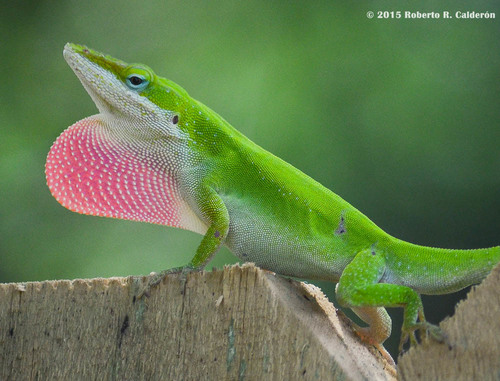
Florida, US
You might spot Anole, Common Gallinule, and White Beggarticks.
View guide →
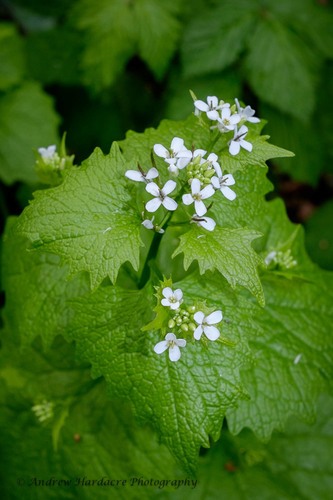
Virginia, US
You might spot Garlic Mustard, Violets, and Wineberry.
View guide →

British Columbia, CA
You might spot Douglas Fir, Silverleaf Phacelia, and Rocky Mountain Maple.
View guide →
Take the discovery with you
Snap it with Snappit to identify it, learn what makes it special, and add the discovery to your collection.






.jpg&width=800)


