





seaside sandmat
Euphorbia polygonifolia
Seaside sandmat is a small, low-growing plant that loves sandy beaches. It has tiny, green leaves and can help keep the sand in place, making it important for coastal areas.
Habitat: Coastal areas
The seaside sandmat is a low-growing, mat-forming plant with slender, often reddish stems and small, oval to oblong leaves that may develop a reddish tint. Its tiny, inconspicuous flowers are nestled in the leaf axils, blending in with the foliage, making them easy to miss.
Category
PlantsRarity
Common
Danger
1/5 · Very low
Snaps
Be the first to snap!
Even though its flowers are tiny, seaside sandmat is related to the big, showy poinsettia plant!
Its seeds have a yummy fatty appendage that ants love to carry away, helping the plant spread!
The seaside sandmat can create its own tiny shady spots under its sprawling leaves, keeping the sand cool!
This plant’s milky white sap contains special compounds that protect it from many hungry animals!
Seaside sandmat has adaptations to tolerate salty soil and sea spray, allowing it to thrive right by the ocean.
Seaside sandmat has a sprawling root system that helps bind loose sand on dunes, preventing erosion by wind and water.
Seaside sandmat can produce reddish pigments in its leaves and stems, which act like natural sunscreen, protecting it from intense coastal sunlight.
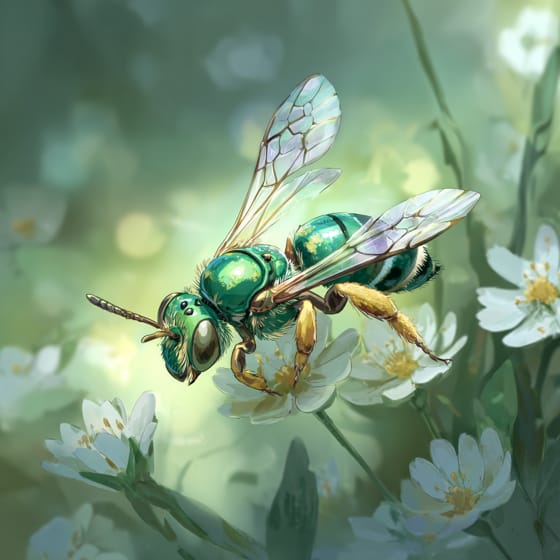
Lasioglossum coeruleum
Visits its tiny flowers for nectar.
Spodoptera exigua
Larvae can feed on its leaves.
Tetranychus urticae
Tiny mites feed on its plant sap.
Myrmica rubra
Disperses seeds for food reward.
Flowering plants are any plants that produce flowers as part of their reproductive cycle.
A shrub is a woody plant smaller than a tree, typically with multiple stems branching from or near the ground.
Evergreen plants retain their foliage throughout the year, never shedding all their leaves at once.
Salt tolerant plants can withstand and grow in conditions with elevated salinity levels in the soil or water.

Drought-tolerant plants can survive and flourish in conditions with limited water availability.

Describes plants that are particularly attractive and beneficial to a wide range of pollinating organisms.

Describes a relationship between two different species where they live in close association, often benefiting one or both.

Coastal habitats are dynamic environments located along the interface between land and sea, influenced by tides, waves, and saltwater.
No aliases listed yet.
Danger
1/5 · Very low
Always look but don't touch plants without asking an adult, as some can be prickly or might not be safe.
The easiest way to identify seaside sandmat is to use the Snappit nature identifier app.
1-15 cm
10-60 cm
0.1-0.2 cm
Summer to fall
No
Moderate
Annual
Zoom in to split clusters and explore where this object has been snapped.
Recent snaps will appear here as new observations are added.
Take the discovery with you
Snap it with Snappit to identify it, learn what makes it special, and add the discovery to your collection.








.jpg&width=800)



_001.jpg&width=800)



