





Woods' rose
Rosa woodsii
Woods' rose is a lovely shrub with beautiful pink flowers. It grows in many places and is a favorite for bees and butterflies. Its sweet scent makes it a delight to find in nature!
Habitat: Forests
The Woods' rose has delicate, often bright to pale pink flowers with five petals, contrasting with its thorny stems and small, oval green leaves that turn yellow in fall. Its bright red rose hips, which are the fruits, remain on the bush into winter.
Category
PlantsRarity
Common
Danger
2/5 · Low
Snaps
5
It's a native wild rose to much of western North America.
Many native bees and butterflies rely on its flowers for pollen and nectar.
The thorny branches offer perfect, safe nesting spots for small birds!
Woods' rose hips contain more Vitamin C than an orange!
Woods' rose has sharp thorns along its stems that help it protect its leaves and flowers from hungry animals.
Woods' rose produces bright red rose hips that provide important, nutritious food for birds and mammals in winter.
Woods' rose has deep, spreading roots that help prevent soil from washing away, keeping riverbanks and slopes strong.
Bombus vosnesenskii
Buzzing bees collect nectar and pollen.
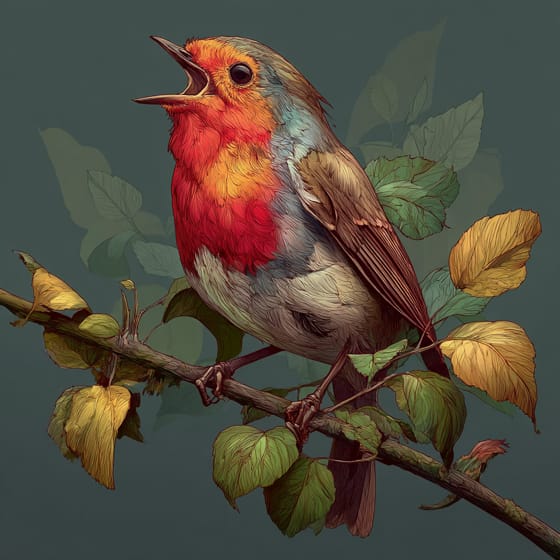
Turdus migratorius
Birds feast on the nutritious rose hips.
Ursus americanus
Bears enjoy the sugary rose hips.
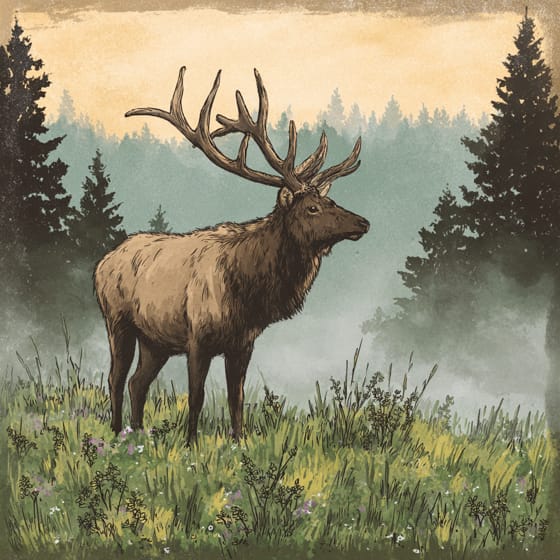
Cervus canadensis
Browsing animals munch on leaves and twigs.
Aromatic plants produce and emit fragrant volatile organic compounds, often for defense or to attract pollinators.
Deciduous plants periodically shed all their leaves, typically during autumn or dry seasons.
Flowering plants are any plants that produce flowers as part of their reproductive cycle.
A shrub is a woody plant smaller than a tree, typically with multiple stems branching from or near the ground.

Summer blooming plants produce their flowers during the summer season, often providing vibrant color when many other plants have finished.

Fragrant flowers emit a pleasant aroma, often to attract pollinators or for defense.

Fruit-bearing plants produce fruits, which are the mature ovaries of flowering plants containing seeds.

Edible plants are those parts of a plant that are considered safe for human consumption.

Describes plants that are particularly attractive and beneficial to a wide range of pollinating organisms.

Forest habitats are terrestrial environments dominated by dense tree cover, supporting a high diversity of plant and animal life.
Danger
2/5 · Low
Always look but don't touch the thorns on the rose bushes!
The easiest way to identify Woods' rose is to use the Snappit nature identifier app.
100-300 cm
100-200 cm
2-5 cm
Late spring to early summer
Yes
None
Perennial
Zoom in to split clusters and explore where this object has been snapped.

New Mexico, US
You might spot Tree Cholla, Mule Deer, and Sacred Datura.
View guide →

Colorado, US
You might spot Black-Billed Magpie, Fireweed, and Common Cowparsnip.
View guide →
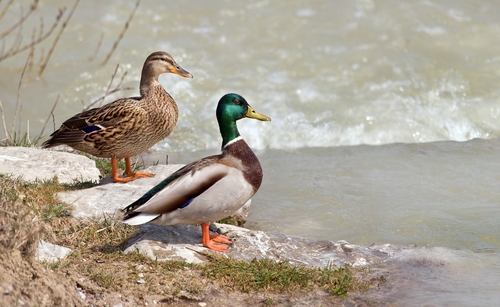
Washington, US
You might spot Duck, Yellow-Bellied Marmot, and Canada Goose.
View guide →

Arizona, US
You might spot Dark-Eyed Junco and Plateau Fence Lizard.
View guide →

British Columbia, CA
You might spot Yellow-Bellied Marmot and Rubber Rabbitbrush.
View guide →
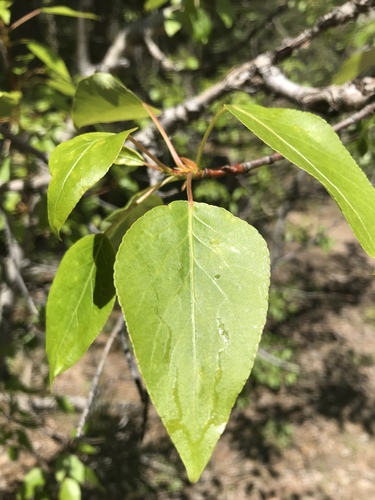
British Columbia, CA
You might spot Black Cottonwood, Oregon Grape, and Showy Milkweed.
View guide →
Take the discovery with you
Snap it with Snappit to identify it, learn what makes it special, and add the discovery to your collection.






.jpg&width=800)


_001.jpg&width=800)



