





Somali wild ass
Equus africanus somaliensis
The Somali wild ass is a special kind of donkey that lives in the dry areas of Africa. They have big ears and a beautiful gray coat, making them unique and interesting animals.
Habitat: Desert
The Somali wild ass has a pale grey coat that fades to white on its belly and legs. Its most distinctive features are the slender legs with horizontal black stripes, like fancy socks, and its long, slender ears. It looks like a sturdy, light-colored wild donkey.
Category
MammalsRarity
Rare
Danger
2/5 · Low
Snaps
Be the first to snap!
A baby Somali wild ass can stand and even walk just hours after being born!
Their unique leg stripes are like fingerprints; no two Somali wild asses have exactly the same pattern!
These magnificent wild asses are believed to be the ancestors of today's domestic donkeys!
They communicate with loud, distinctive 'hee-haw' calls that can travel for miles!
Somali wild ass can survive in very dry conditions by efficiently extracting moisture from tough desert plants and finding scarce water sources.
Somali wild ass has exceptionally long and sensitive ears that help them detect predators or other wild asses over vast, open distances.
Somali wild ass can run at impressive speeds with agility, helping them quickly evade dangerous predators across rocky terrain.
These wild asses are herbivores, mostly eating tough grasses and other desert plants.
Panthera leo
Lions are significant predators of adult Somali wild asses.
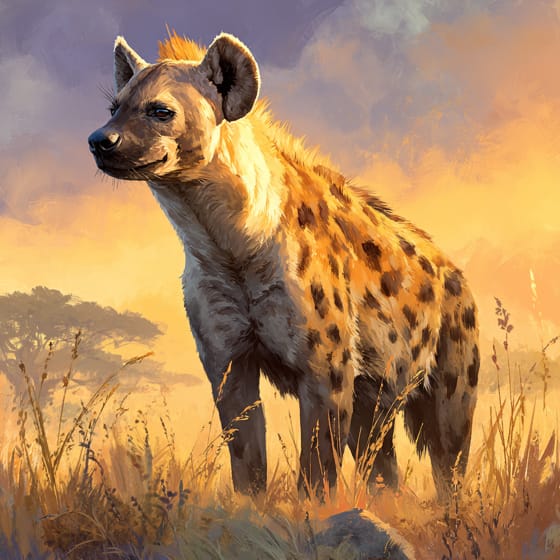
Crocuta crocuta
Hyenas prey on young foals and vulnerable wild asses.

Stipagrostis uniplumis
They graze on this tough, resilient desert grass species.
Acacia tortilis
They browse leaves and bark from this drought-resistant tree.
Furry describes animals possessing a dense covering of soft hair or fur.
Social animals live in organized groups, cooperating for survival benefits such as foraging, defense, and raising offspring.
This trait characterizes organisms whose diet consists entirely or primarily of plant material.
Desert habitats are arid regions characterized by extremely low precipitation and often extreme temperatures, supporting specialized flora and fauna.

Diurnal animals are primarily active during daylight hours, typically resting or sleeping at night.

This trait identifies organisms that exhibit exceptional swiftness in movement for hunting, escape, or travel.

Endangered status indicates a species is at a very high risk of extinction in the wild in the near future.
No aliases listed yet.
Danger
2/5 · Low
Always watch from a distance and never try to touch wild animals.
The easiest way to identify Somali wild ass is to use the Snappit nature identifier app.
200-250 cm
250-300 kg
20-25 years
50 km/h
These wild asses are herbivores, mostly eating tough grasses and other desert plants.
Desert
Grazing
Zoom in to split clusters and explore where this object has been snapped.
Recent snaps will appear here as new observations are added.
Take the discovery with you
Snap it with Snappit to identify it, learn what makes it special, and add the discovery to your collection.




.jpg&width=800)



.JPG&width=800)


.jpg&width=800)
