





Spiny Asparagus
Asparagus acutifolius
Spiny Asparagus is a unique plant with sharp, spiky leaves. It grows in sunny places and can be found in many gardens and fields. This plant is not just pretty; it can also be eaten!
Habitat: Grasslands
The Spiny Asparagus is a climbing plant with stiff, needle-like green leaves that end in sharp spines. It produces tiny, inconspicuous greenish-yellow flowers in late summer, followed by small, round, shiny black berries.
Category
PlantsRarity
Common
Danger
2/5 · Low
Snaps
Be the first to snap!
It can climb really high up other plants, reaching for the sun!
Its tiny flowers turn into shiny black berries!
People have enjoyed eating its young shoots for thousands of years!
This wild plant is a cousin to the asparagus on your dinner plate!
Spiny Asparagus can climb high using its tough, winding stems, helping it reach precious sunlight.
Spiny Asparagus has tiny, almost needle-like leaves that help it save water in dry, sunny places.
Turdus merula
eats the plant's mature berries
Apis mellifera
visits flowers for nectar and pollen
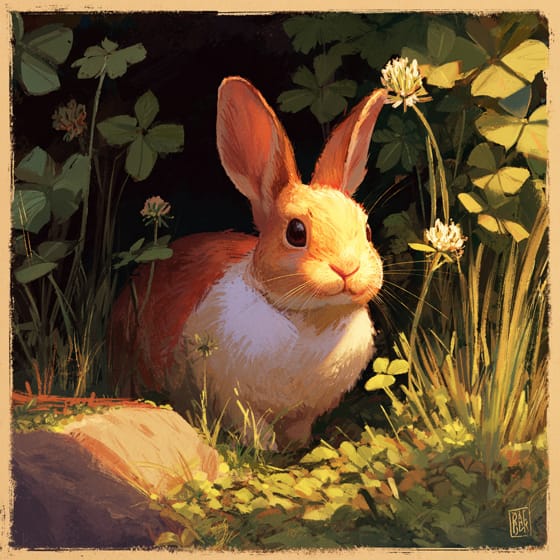
Oryctolagus cuniculus
browses on young shoots and leaves
Flowering plants are any plants that produce flowers as part of their reproductive cycle.
This human use trait describes species cultivated or domesticated by humans for agricultural purposes, including crops and livestock.
Edible plants are those parts of a plant that are considered safe for human consumption.
Grassland habitats are terrestrial biomes dominated by grasses and herbaceous plants, supporting a variety of grazing animals.

Rapid growing plants exhibit accelerated growth rates, quickly increasing in size and biomass within a short period.

Possessing sharp, pointed projections or spines on the body or surface.
No aliases listed yet.
Danger
2/5 · Low
Do not touch the spiky leaves without adult supervision, as they can be sharp.
The easiest way to identify Spiny Asparagus is to use the Snappit nature identifier app.
50-200 cm
50-150 cm
0.2-0.5 cm
Late summer to early autumn
Yes
Mild
Perennial
Zoom in to split clusters and explore where this object has been snapped.
Recent snaps will appear here as new observations are added.
Take the discovery with you
Snap it with Snappit to identify it, learn what makes it special, and add the discovery to your collection.








.jpg&width=800)



_001.jpg&width=800)



