





Spiny Goldenweed
Xanthisma spinulosum
Spiny Goldenweed is a bright yellow flower that grows in sunny places. Its spiky leaves help it stand out in the wild, making it a special sight to see!
Habitat: Grasslands
The Spiny Goldenweed has numerous bright yellow, daisy-like flowers with many thin petals and a prominent gold center. Its stems are often branching, covered with narrow, linear leaves that have tiny, sharp spines along their edges, giving it a somewhat bushy appearance.
Category
PlantsRarity
Common
Danger
1/5 · Very low
Snaps
Be the first to snap!
After blooming, the plant produces fluffy seeds that parachute on the wind to find new homes!
Even though it looks spiky, tiny ladybugs sometimes hide among its leaves to stay safe from predators.
Its scientific name, Xanthisma, means "golden color" in Greek, perfectly describing its sunny flowers!
Some call it "ironplant" because it can grow in tough, rocky soils where other plants can't survive!
Spiny Goldenweed has tiny sharp spines on its leaves that help it defend against hungry animals trying to munch on its green parts.
Spiny Goldenweed can grow deep roots that help it find water far underground, allowing it to survive in very dry, sunny places.
Spiny Goldenweed has bright yellow flowers that act like a beacon, attracting many different kinds of busy insects for pollination.
Apis mellifera
gathers nectar and pollen from flowers

Bombus impatiens
collects pollen and nectar
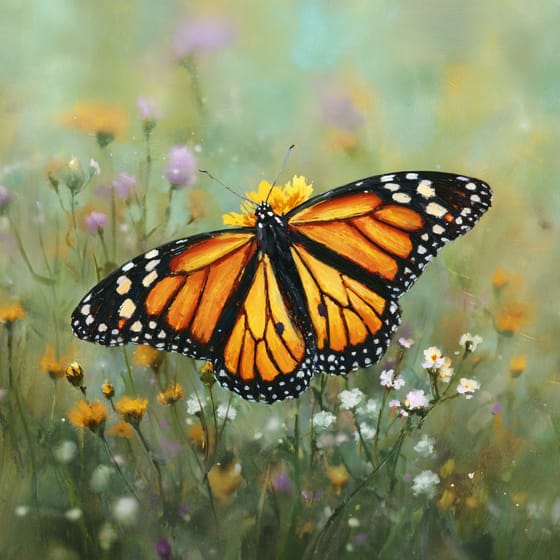
Danaus plexippus
feeds on nectar, aiding pollen transfer
Ornamental plants are cultivated primarily for their aesthetic appeal, enhancing landscapes and gardens with their attractive foliage, flowers, or form.
Summer blooming plants produce their flowers during the summer season, often providing vibrant color when many other plants have finished.
Drought-tolerant plants can survive and flourish in conditions with limited water availability.
Grassland habitats are terrestrial biomes dominated by grasses and herbaceous plants, supporting a variety of grazing animals.

Describes plants that are particularly attractive and beneficial to a wide range of pollinating organisms.

Possessing sharp, pointed projections or spines on the body or surface.
No aliases listed yet.
Danger
1/5 · Very low
Always look but don't touch the plants unless an adult says it's okay.
The easiest way to identify Spiny Goldenweed is to use the Snappit nature identifier app.
10-60 cm
15-30 cm
1-3 cm
Summer to fall
No
None
Perennial
Zoom in to split clusters and explore where this object has been snapped.
Recent snaps will appear here as new observations are added.
Take the discovery with you
Snap it with Snappit to identify it, learn what makes it special, and add the discovery to your collection.










.jpg&width=800)



_001.jpg&width=800)




