.jpg&width=800)





Stalked Hairy Fairy Cup
lachnum virgineum
The Stalked Hairy Fairy Cup is a tiny mushroom that looks like a little cup with fuzzy edges! It often grows on decaying wood, helping to break it down and make the soil rich.
Habitat: They live in damp, shady areas of forests, usually on decaying wood.
The Stalked Hairy Fairy Cup is a tiny, pure white fungus with a shallow cup-shaped cap and a slender stalk. Its most distinctive feature is the dense fringe of white hairs around the cup's margin, making it look quite fuzzy.
Category
FungiRarity
Common
Danger
0/5 · No known danger
Snaps
Be the first to snap!
It often grows so close together, it looks like a carpet of tiny white cups!
Its scientific name means "woolly virgin," describing its white, fuzzy look!
Look closely, and you might spot what looks like a tiny eyelash growing on wood!
These fungi are so small, a single raindrop could fill many of their cups!
Stalked Hairy Fairy Cup has a hairy margin that helps it capture airborne moisture and potentially assist in spore dispersal.
Stalked Hairy Fairy Cup can break down dead wood because of specialized enzymes that help them recycle nutrients back into the ecosystem.
Stalked Hairy Fairy Cup has a tiny size that allows it to colonize small pieces of decaying wood, exploiting niche environments.
Folsomia candida
Tiny springtails graze on its fungal tissues.
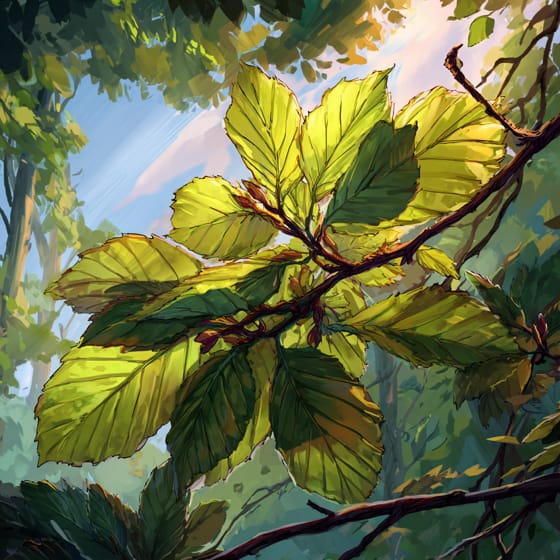
Fagus sylvatica
It decomposes fallen branches of this tree.
Tyrophagus putrescentiae
Microscopic mites may graze on its delicate tissues.
Solitary animals live alone for most of their lives, only interacting with others for mating or parental care.
Colorful describes organisms or objects displaying a wide range of bright and distinct colors.
Describes organisms that break down dead organic material, recycling nutrients back into the ecosystem.
Forest habitats are terrestrial environments dominated by dense tree cover, supporting a high diversity of plant and animal life.

Diurnal animals are primarily active during daylight hours, typically resting or sleeping at night.
Danger
0/5 · No known danger
No special safety notes yet.
The easiest way to identify Stalked Hairy Fairy Cup is to use the Snappit nature identifier app.
0.3-1 cm
inedible
0.1-0.3 cm
They live in damp, shady areas of forests, usually on decaying wood.
wood
Fall, winter, spring
White
Zoom in to split clusters and explore where this object has been snapped.
Recent snaps will appear here as new observations are added.
Take the discovery with you
Snap it with Snappit to identify it, learn what makes it special, and add the discovery to your collection.