





Artichoke Thistle
Cynara cardunculus
The Artichoke Thistle is a tall plant with spiky leaves and beautiful purple flowers. It can grow very big and is often found in sunny places. People sometimes eat its buds, which are called artichokes!
Habitat: Coastal areas
The Artichoke Thistle is a grand plant featuring striking, deeply lobed, silvery-grey-green leaves with spiny margins. It grows tall, crowned by a large, globe-shaped flower head that bursts into vibrant purple, brush-like florets, resembling a giant thistle.
Category
PlantsRarity
Common
Danger
2/5 · Low
Snaps
9
Its sap contains an enzyme that can curdle milk, traditionally used to make some cheeses!
Some ancient Romans and Greeks enjoyed eating its tender shoots and flower stalks as a special treat!
This plant's dried stalks are surprisingly strong and have been used for crafting and support!
Though wild, it's the ancestor of the common globe artichoke found in your grocery store!
Artichoke Thistle has sharp, spiny leaves that act like protective armor, helping it deter hungry herbivores from taking a bite.
Artichoke Thistle can grow a long taproot, helping it reach deep underground water sources to survive long dry periods.
Artichoke Thistle has large, showy purple flowers that act as a vibrant beacon, attracting many helpful insect pollinators.
Apis mellifera
Visits flowers for nectar and pollen.
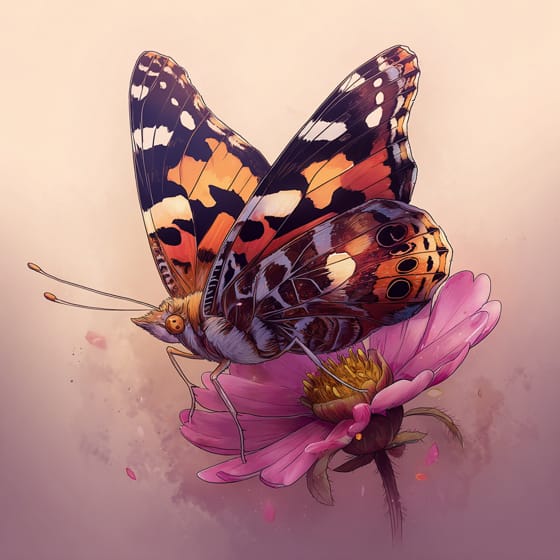
Vanessa cardui
Feeds on nectar, aiding flower reproduction.
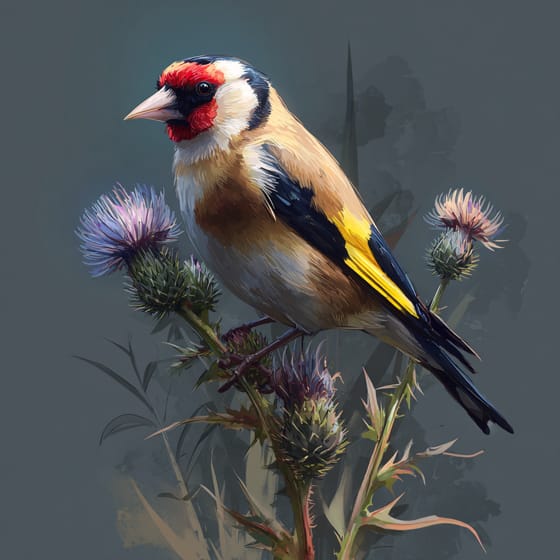
Carduelis carduelis
Feeds on ripe seeds.
Ornamental plants are cultivated primarily for their aesthetic appeal, enhancing landscapes and gardens with their attractive foliage, flowers, or form.
Summer blooming plants produce their flowers during the summer season, often providing vibrant color when many other plants have finished.
Edible plants are those parts of a plant that are considered safe for human consumption.
Describes plants that are particularly attractive and beneficial to a wide range of pollinating organisms.

Possessing sharp, pointed projections or spines on the body or surface.

Coastal habitats are dynamic environments located along the interface between land and sea, influenced by tides, waves, and saltwater.

Giant describes organisms or objects of significantly larger size than average for their species or type.

Describes organisms that transfer pollen, enabling the fertilization and reproduction of plants.
No aliases listed yet.
Danger
2/5 · Low
Don't touch the spiky leaves without asking an adult for help.
The easiest way to identify Artichoke Thistle is to use the Snappit nature identifier app.
150-250 cm
100-150 cm
5-15 cm
Summer to fall
Yes
None
Perennial
Zoom in to split clusters and explore where this object has been snapped.

California, US
You might spot Monarch, Canada Goose, and Western Gull.
View guide →

California, US
You might spot Warrior's Plume and Purple Owl's-Clover.
View guide →

Florida, US
You might spot Atala, Monarch, and Brown Anole.
View guide →

South Carolina, US
You might spot Brown Pelican, Boat-Tailed Grackle, and Great Egret.
View guide →

California, US
You might spot Sunburst Anemone, Ochre Sea Star, and Striped Shore Crab.
View guide →

US
You might spot Brown Pelican, Boat-Tailed Grackle, and Great Egret.
View guide →
Take the discovery with you
Snap it with Snappit to identify it, learn what makes it special, and add the discovery to your collection.









.jpg&width=800)



_001.jpg&width=800)



