



Therizinosaurus
Therizinosaurus cheloniformis
Therizinosaurus was a prehistoric dinosaur known for its distinctive features. Scientists study its bones to learn about how dinosaurs lived.
Habitat: Mesozoic forests and floodplains
The Therizinosaurus has incredibly long, curving claws on its forelimbs, giving it a fearsome appearance. Its body was likely covered in primitive feathers, possibly a shaggy brown or grey, and it walked upright on two sturdy legs, resembling a giant, feathered sloth.
Category
AncientRarity
Rare
Danger
1/5 · Very low
Snaps
Be the first to snap!
It was a peaceful plant-eater, despite its scary look.
Its arms were longer than a person is tall!
Its name means 'scythe lizard' because of its giant claws!
These claws could grow over half a meter long!
Therizinosaurus has huge, curved claws that help them strip leaves from tall trees or defend against large predators.
Therizinosaurus had a feathered body that helped them blend into dense forests and hide from lurking hunters.
Therizinosaurus could stand tall on its strong legs, reaching high branches to feast on juicy leaves others couldn't.
A gentle giant that munched on leaves and branches from ancient plants and trees.
Tarbosaurus bataar
A primary predator of large herbivores in its ecosystem.
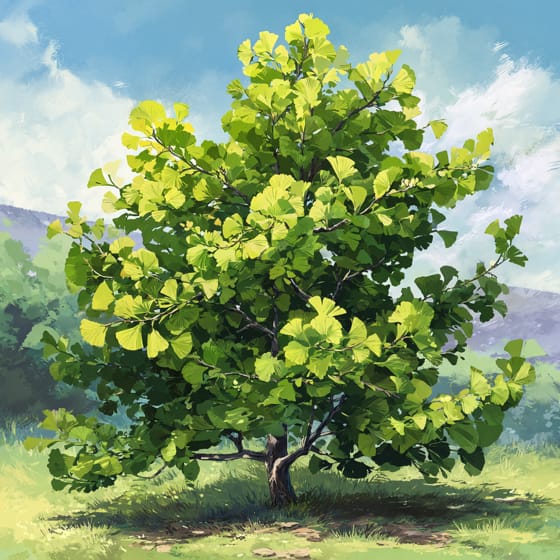
Ginkgo biloba
A source of nutritious leaves and seeds in the Late Cretaceous.
Platanus nobilis
Provided abundant foliage for large herbivores to browse upon.
Deinocheirus mirificus
Competed for similar plant resources as another large herbivore.
Ancient refers to organisms, objects, or geological formations that have existed for an extremely long period.
An artifact is an object made or modified by human culture, typically of historical or archaeological interest.
Armored describes animals protected by a hard, external covering or shell for defense.
A fossil is the preserved remains or traces of an ancient organism embedded in rock or other geological deposits.

Giant describes organisms or objects of significantly larger size than average for their species or type.
Danger
1/5 · Very low
While extremely dangerous in their time, this creature is now extinct.
The easiest way to identify Therizinosaurus is to use the Snappit nature identifier app.
9-10 m
3000-5000 kg
A gentle giant that munched on leaves and branches from ancient plants and trees.
Mesozoic forests and floodplains
Foraging
Late Cretaceous
66
Zoom in to split clusters and explore where this object has been snapped.
Recent snaps will appear here as new observations are added.
Take the discovery with you
Snap it with Snappit to identify it, learn what makes it special, and add the discovery to your collection.