.jpg&width=800)





Timber Milkvetch
Astragalus miser
Timber Milkvetch is a special plant that grows in dry places. It has pretty flowers and is great for helping the soil stay healthy.
Habitat: Grasslands
The Timber Milkvetch is a low-growing plant with slender stems and clusters of small, pea-like flowers. Its blossoms range from purplish-pink to cream or white, often appearing in dense racemes. The leaves are grayish-green and covered in fine hairs, distinguishing it from other meadow plants.
Category
PlantsRarity
Common
Danger
1/5 · Very low
Snaps
1
Despite its toxicity to animals, some tiny insects are specially adapted to safely eat this plant.
It's called 'milkvetch' because people once wrongly believed it made cows produce more milk!
Some of its seed pods are so hairy, they look like tiny fuzzy caterpillars hanging from the stem!
This plant is often called a 'locoweed' because it can make animals act dizzy or 'loco'.
Timber Milkvetch can produce powerful toxins that protect it from being eaten by many grazing animals.
Timber Milkvetch can pull nitrogen from the air and enrich the soil, helping itself and other plants grow.
Timber Milkvetch has deep roots and hairy leaves that help it survive and thrive in dry, rocky conditions.
Bombus occidentalis
Main pollinator visiting its flowers
Rhizobium leguminosarum
Forms nodules on roots to fix nitrogen

Bos taurus
Ingesting plant causes 'locoism' toxicity

Ovis aries
Eating the plant can lead to neurological issues
Flowering plants are any plants that produce flowers as part of their reproductive cycle.
Describes organisms capable of converting atmospheric nitrogen into compounds usable by plants.
Drought-tolerant plants can survive and flourish in conditions with limited water availability.
Edible plants are those parts of a plant that are considered safe for human consumption.

Grassland habitats are terrestrial biomes dominated by grasses and herbaceous plants, supporting a variety of grazing animals.

This trait characterizes organisms whose diet consists entirely or primarily of plant material.

Describes plants that are particularly attractive and beneficial to a wide range of pollinating organisms.
No aliases listed yet.
Danger
1/5 · Very low
Always look but don't touch plants unless you know they are safe.
The easiest way to identify Timber Milkvetch is to use the Snappit nature identifier app.
10-50 cm
15-40 cm
0.5-1.5 cm
Late_spring_to_mid_summer
No
High
Perennial
Zoom in to split clusters and explore where this object has been snapped.

Wyoming, US
You might spot Moose, Arrowleaf Balsamroot, and Black Bear.
View guide →
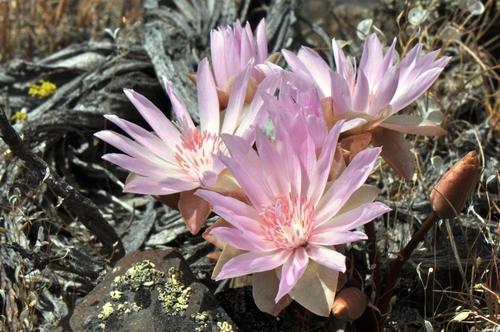
British Columbia, CA
You might spot Bitterroot, Arrowleaf Balsamroot, and Western Stoneseed.
View guide →
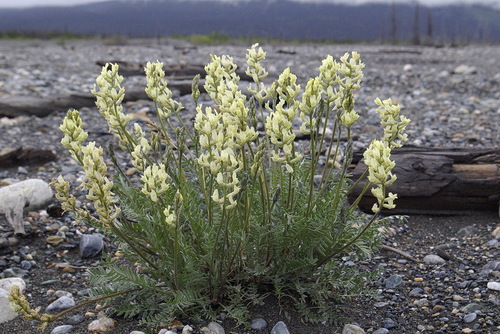
British Columbia, CA
You might spot Field Locoweed, Silky Lupine, and Wax Currant.
View guide →
.jpg)
British Columbia, CA
You might spot Oregon Grape, Heartleaf Arnica, and Solomon's Plume.
View guide →
Take the discovery with you
Snap it with Snappit to identify it, learn what makes it special, and add the discovery to your collection.








.jpg&width=800)



_001.jpg&width=800)



