Yarrow
## White Lake Grasslands Protected Area: A Southern Okanagan Gem
## White Lake Grasslands Protected Area: A Southern Okanagan Gem
Nestled in British Columbia's captivating Okanagan Valley, the White Lake Grasslands Protected Area offers visitors a serene landscape rich in biodiversity and stunning natural beauty. This significant conservation area showcases a unique mosaic of dry grasslands, open Ponderosa Pine forests, and distinctive alkali ponds. It acts as a vital sanctuary for a remarkable array of wildlife and plant species, many of which are endangered or of special concern, making it a crucial component of the Okanagan's ecological health.
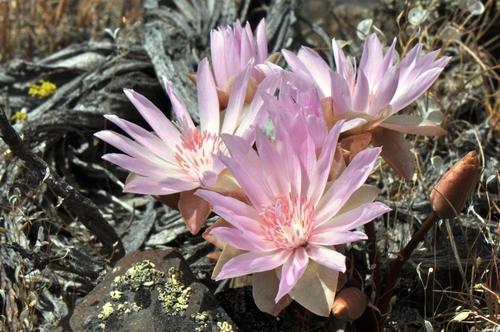
The protected area boasts a variety of habitats, including expansive grasslands dotted with Bitterroot, arrowleaf balsamroot, and common yarrow, alongside open stands of Western Ponderosa Pine and Douglas-fir. The presence of alkali ponds and lush riparian areas adjacent to creeks and lakes creates diverse microclimates supporting an abundance of life. Birdwatchers can delight in sightings of the Red-winged Blackbird, Mallard, and American Robin, while patient observers might spot mammals like the Mule Deer, Yellow-pine Chipmunk, and even the elusive American Black Bear or Coyote. The area is also known for its fascinating reptile and amphibian populations, including the Common Garter Snake, Painted Turtle, Pacific chorus frog, and the Western Tiger Salamander.
Visiting the White Lake Grasslands Protected Area offers a memorable experience for nature enthusiasts seeking tranquility and a deeper connection with the natural world. Whether you're exploring the winding trails, marveling at the vibrant spring wildflowers, or simply soaking in the expansive views across the valley, the protected area provides a profound sense of place. It’s an opportunity to witness a fragile and vital ecosystem, one of the four most endangered in Canada, and appreciate the ongoing efforts to conserve its unique flora and fauna for generations to come. Be ready to snap and learn! Get the Snappit app to identify any nature species you find here.
The White Lake Grasslands Protected Area was officially established on April 18, 2001, following recommendations from the Okanagan-Shuswap Land & Resource Management Plan (LRMP). Its creation was a direct response to the urgent need to preserve the delicate ecosystems and critical habitats within the region, which had faced increasing pressure from human settlement and development. The area had long been identified as a priority for conservation efforts in the Okanagan, with various programs and partnerships working to promote the conservation of its natural heritage since at least 1989. This protected area lies within the traditional territory and ancestral homelands of several First Nations, including the Syilx Okanagan Nation and the Nlaka'pamux Nation Tribal Council, with archaeological sites, rock shelters, and pictographs providing evidence of their historical presence. Prior to its protected status, the land experienced impacts from intense cattle grazing, which contributed to changes in the grassland composition. Today, the protected area plays a crucial role in safeguarding red and blue-listed species and represents an important part of a broader network of conservation lands in the South Okanagan, linking with other protected areas and holdings by organizations like The Nature Trust of British Columbia.
Hiking, trail running, and mountain biking on designated multi-use trails.
Birdwatching, with highlights including Red-winged Blackbird, Mallard, and other rare species like the Yellow-breasted Chat and potentially the White-headed Woodpecker.
Nature photography, capturing the unique grasslands, alkali ponds, and diverse species.
Picnicking amidst scenic landscapes.
Horseback riding in open pine forests and grasslands.
Spring: Abundant wildflowers, active birdlife, and milder temperatures. Watch out for ticks.
Summer: Extremely hot and dry. Bring plenty of water and plan activities for early mornings or late afternoons to avoid the heat of the day.
Fall: Cooler temperatures, potential for fall colors in certain areas, and active wildlife as animals prepare for winter.
Winter: Generally quiet, with potential for cross-country skiing, but limited facilities and trail maintenance.
Wildfire Risk: Due to the dry climate, wildfire risk is often high, especially in summer. Check for advisories and closures before visiting. Wildfire risk reduction projects involving tree removal and prescribed burns may occur, leading to temporary trail closures.
The park has moderate accessibility with some challenging areas, according to visitor reviews. Trails are generally wilderness trails, and while some are described as well-maintained for short hikes, many are unmarked and may require navigation skills.
This trail begins near the Nature Trust property south of White Lake and follows a chain of alkali ponds, offering views of Mahoney Lake and Ponderosa Pine forests.
Hike to the summit for panoramic views of the Okanagan Valley.
A popular spot for birdwatching.
Particularly vibrant in spring, showcasing species like Bitterroot and arrowleaf balsamroot.
Each card links to a full Explore page with photos, traits, and fun facts.
Start with the big picture, then zoom in to explore individual wildlife observations around this place.
Bring ample water
The Okanagan climate is very dry, and there is no water available within the park.
Dress for the weather
Wear sun protection (hat, sunscreen) in summer and layers in spring/fall. Sturdy hiking shoes are essential.
Stay on designated trails
This helps protect the delicate grassland ecosystem and prevents disturbing wildlife. Use only established trails to minimize disturbance and prevent the spread of invasive species.
Practice Leave No Trace principles
Pack out everything you pack in to keep the area pristine.
Be wildlife aware
Watch for wildlife, including larger mammals like bears and coyotes, and venomous snakes. Keep pets on a leash.
Visit in spring for wildflowers
The protected area comes alive with vibrant blooms like Bitterroot and arrowleaf balsamroot during the spring months.
Sep 29, 2025
Sep 28, 2025
Sep 28, 2025
Sep 28, 2025
Sep 28, 2025

Maryland, US
You might spot White-Tailed Deer and Eastern Gray Squirrel.
View guide →
.jpg)
District of Columbia, US
You might spot Eastern Gray Squirrel, Duck, and House Sparrow.
View guide →

Illinois, US
You might spot American Robin, Canada Goose, and House Sparrow.
View guide →

Virginia, US
You might spot Spotted Lanternfly and Northern Cardinal.
View guide →
Take the discovery with you
Identify the wildlife you spot, learn as you go, and keep a collection of the adventure.