




Tricholoma matsutake
Tricholoma matsutake
The Tricholoma matsutake, also known as the Matsutake mushroom, is a rare and highly prized fungus found in forests. Its spicy aroma and unique flavor make it a delicacy in many cuisines.
Habitat: Forests
The Tricholoma matsutake has a thick, firm cap, typically reddish-brown with darker scales. Its sturdy stem is often covered by a partial veil, revealing creamy white gills underneath. This gives it a robust, earthy appearance, different from many slender mushrooms.
Category
FungiRarity
Rare
Danger
3/5 · Moderate
Snaps
Be the first to snap!
A single Matsutake mushroom can fetch hundreds of dollars!
Matsutake need very specific, healthy forest conditions to thrive naturally.
These forest treasures often hide beneath a thick blanket of pine needles.
They are so picky; scientists still struggle to grow them on farms.
Tricholoma matsutake releases a unique spicy, aromatic smell that helps animals find it and spread its spores.
It forms a special underground partnership with tree roots, sharing nutrients to help both grow strong.
Its vast underground network of threads helps transport water and minerals throughout the forest soil.
Pinus densiflora
Forms mycorrhizal partnership.
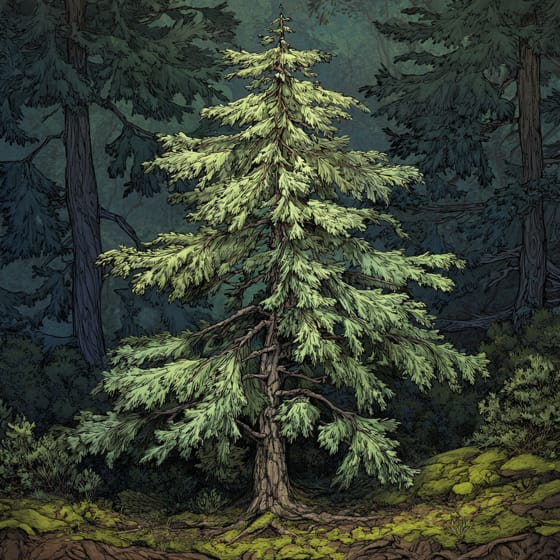
Tsuga heterophylla
Shares nutrients with roots.
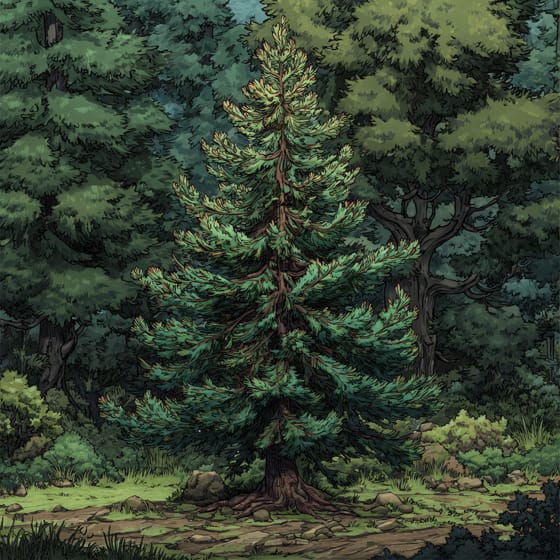
Abies grandis
Benefits from tree roots.
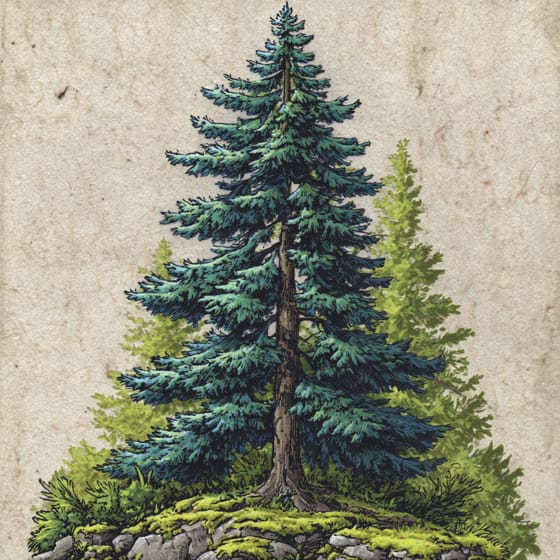
Picea sitchensis
Essential root companion.
This trait describes a symbiotic relationship between a fungus and the roots of a plant, benefiting both organisms.
Fragrant flowers emit a pleasant aroma, often to attract pollinators or for defense.
Edible plants are those parts of a plant that are considered safe for human consumption.
Describes a relationship between two different species where they live in close association, often benefiting one or both.

This trait signifies organisms belonging to a very old evolutionary group with ancestors dating back millions of years.

Forest habitats are terrestrial environments dominated by dense tree cover, supporting a high diversity of plant and animal life.
No aliases listed yet.
Danger
3/5 · Moderate
Never pick or eat wild mushrooms without an adult who is an expert in mushroom identification.
The easiest way to identify Tricholoma matsutake is to use the Snappit nature identifier app.
10-25 cm
edible
6-20 cm
Forests
soil
Fall
White
Zoom in to split clusters and explore where this object has been snapped.
Recent snaps will appear here as new observations are added.
Take the discovery with you
Snap it with Snappit to identify it, learn what makes it special, and add the discovery to your collection.