American Dyeball
pisolithus arenarius
The American Dyeball is a fun and colorful fungus that looks like a bumpy ball! Kids love to spot it in sandy areas because it can change colors as it grows.
Habitat: Sandy soils, often found in coastal areas or grassy fields.
The American Dyeball is a lumpy, rounded to pear-shaped fungus, often yellowish-brown to dark brown. Its surface can be warty or covered in sand particles, making it appear like a 'dyed potato'. Inside, it contains small, pea-like structures.
Category
FungiRarity
Common
Danger
0/5 · No known danger
Snaps
2
Inside, it's packed with tiny, pea-like balls that hold its spores!
It's nicknamed 'dyeball' because it produces natural yellow and brown dyes!
Its scientific name, Pisolithus, means 'pea stone' due to its texture!
This fungus loves sandy soil and can even grow along roadsides!
American Dyeball can create beautiful yellow-brown dyes because of unique pigments within its fruiting body, helping color fabrics naturally.
American Dyeball has a powdery interior that helps it disperse millions of spores when mature, ensuring new fungi can grow.
American Dyeball can help trees grow stronger because it forms a beneficial partnership with their roots, exchanging vital nutrients.
Solitary animals live alone for most of their lives, only interacting with others for mating or parental care.
Colorful describes organisms or objects displaying a wide range of bright and distinct colors.
Grassland habitats are terrestrial biomes dominated by grasses and herbaceous plants, supporting a variety of grazing animals.
Describes organisms that break down dead organic material, recycling nutrients back into the ecosystem.

Coastal habitats are dynamic environments located along the interface between land and sea, influenced by tides, waves, and saltwater.
Danger
0/5 · No known danger
No special safety notes yet.
The easiest way to identify American Dyeball is to use the Snappit nature identifier app.
3-10 cm
inedible
3-10 cm
Sandy soils, often found in coastal areas or grassy fields.
soil
Summer, Fall
Olive-brown
Zoom in to split clusters and explore where this object has been snapped.

Georgia, US
You might spot Eastern Gray Squirrel, Domestic Cat, and Anole.
View guide →

Florida, US
You might spot American Alligator, Great Blue Heron, and Anhinga.
View guide →

Georgia, US
You might spot Anole, Asian Lady Beetle, and Joro Spider.
View guide →

Florida, US
You might spot American Alligator, Great Blue Heron, and Anhinga.
View guide →
Florida, US
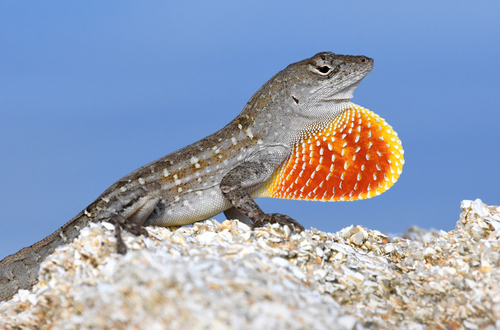
You might spot Brown Anole, Feather Mosses, and Carolina Willow.
View guide →
Take the discovery with you
Snap it with Snappit to identify it, learn what makes it special, and add the discovery to your collection.