





White-Backed Vulture
gyps africanus
The White-Backed Vulture is a magnificent bird that soars high in the sky! With its impressive wingspan, it can spot food from miles away.
Habitat: Open grasslands and savannas in Africa.
The White-Backed Vulture is a medium-sized scavenger, predominantly dark brown with striking white downy feathers on its lower back, visible in flight. It has a bare, greyish-black neck and head, contrasting with its dark body plumage. Its broad wings and short tail are typical of a soaring raptor.
Category
BirdsRarity
Common
Danger
1/5 · Very low
Snaps
Be the first to snap!
A circling group of vultures is surprisingly called a 'kettle'!
Their bald heads prevent messy feathers while they are feeding on carcasses.
These vultures can safely eat bacteria-filled meat that would harm other animals!
They often follow lions and other predators to finish off their leftovers.
White-Backed Vulture can ride invisible columns of warm air because this helps them soar effortlessly for hours without flapping.
White-Backed Vulture has incredibly sharp vision that helps them spot tiny food sources from very high altitudes.
White-Backed Vulture can efficiently strip carcasses clean because their strong beaks and stomach acids help keep ecosystems healthy.
These incredible birds eat mostly dead animals, helping keep the savannas clean and healthy!
Panthera leo
follows to scavenge predator kills
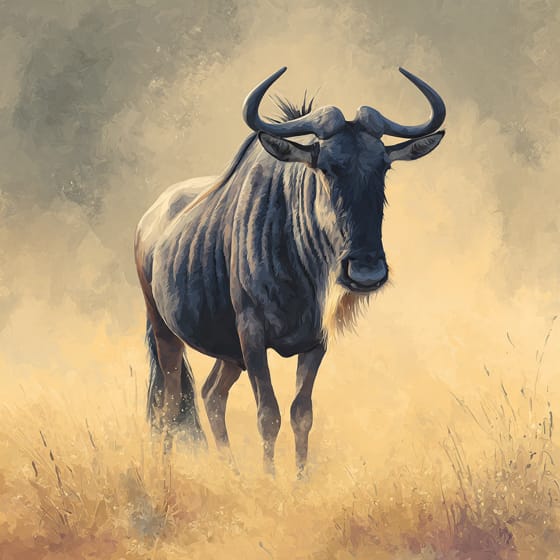
Connochaetes taurinus
feeds on their deceased bodies
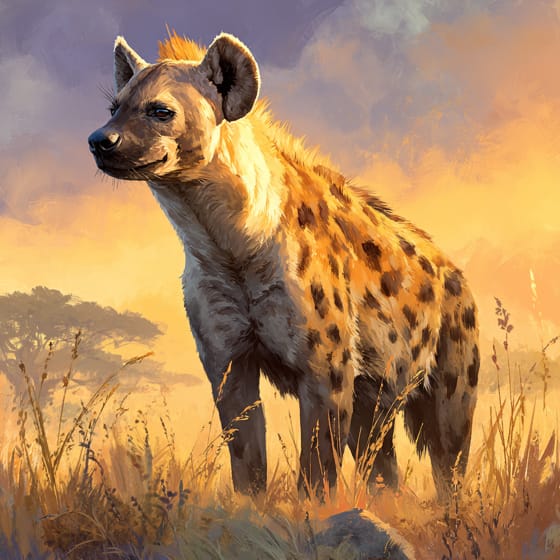
Crocuta crocuta
competes for carrion at kill sites
Vachellia tortilis
builds nests in its sturdy branches
Social animals live in organized groups, cooperating for survival benefits such as foraging, defense, and raising offspring.
Describes organisms that break down dead organic material, recycling nutrients back into the ecosystem.
This trait identifies organisms whose diet consists entirely or primarily of animal tissue.
Diurnal animals are primarily active during daylight hours, typically resting or sleeping at night.

Migratory animals undertake seasonal movements from one region to another, typically in response to changes in climate or food availability.
Danger
1/5 · Very low
No special safety notes yet.
The easiest way to identify White-Backed Vulture is to use the Snappit nature identifier app.
78-90 cm
196-226 cm
4.2-7.2 kg
19-20 years
70 km/h
These incredible birds eat mostly dead animals, helping keep the savannas clean and healthy!
Open grasslands and savannas in Africa.
Zoom in to split clusters and explore where this object has been snapped.
Recent snaps will appear here as new observations are added.
Take the discovery with you
Snap it with Snappit to identify it, learn what makes it special, and add the discovery to your collection.




.jpg&width=800)








