





White Bryony
Bryonia cretica
White Bryony is a climbing plant with green leaves and small white flowers. It grows in sunny places and can wrap around other plants for support. Its berries are bright red and can be very pretty!
Habitat: Grasslands
The White Bryony is a vigorous climbing vine with large, five-lobed, bright green leaves resembling outstretched hands. It bears small, pale greenish-white flowers and produces shiny, pea-sized red berries in clusters, making it distinctive among hedgerow plants.
Category
PlantsRarity
Common
Danger
3/5 · Moderate
Snaps
Be the first to snap!
Ancient doctors once thought its root could cure many diseases.
Its berries look tempting but are highly toxic to eat!
Its giant root can grow as big as a human leg!
This plant can quickly outgrow other plants in its path.
White Bryony can quickly climb using coiling tendrils that help it reach sunlight above other plants.
White Bryony has toxic compounds in all its parts, defending it from most hungry animals.
White Bryony has a huge, turnip-like root that stores energy, helping it survive winters.
Apis mellifera
Gathers nectar and pollen
Bombus terrestris
Visits flowers for nectar
Turdus merula
Eats berries, dispersing seeds
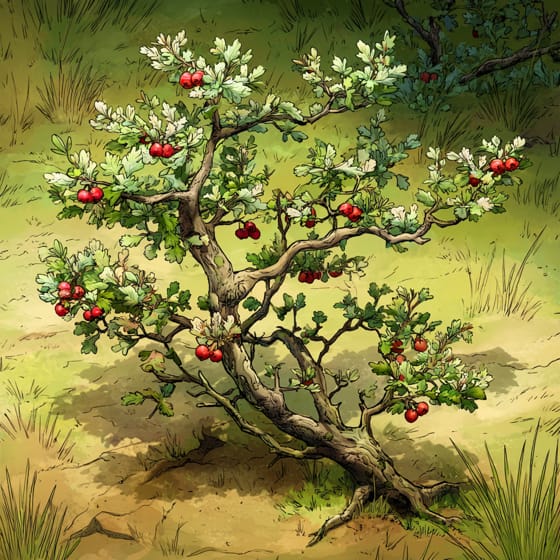
Crataegus monogyna
Uses its branches for support
Climbing or vine plants are characterized by a growth habit that allows them to ascend upwards by twining, tendrils, or adhesive roots.
Deciduous plants periodically shed all their leaves, typically during autumn or dry seasons.
Flowering plants are any plants that produce flowers as part of their reproductive cycle.
Ornamental plants are cultivated primarily for their aesthetic appeal, enhancing landscapes and gardens with their attractive foliage, flowers, or form.

Fruit-bearing plants produce fruits, which are the mature ovaries of flowering plants containing seeds.

Grassland habitats are terrestrial biomes dominated by grasses and herbaceous plants, supporting a variety of grazing animals.

Describes plants that are particularly attractive and beneficial to a wide range of pollinating organisms.
No aliases listed yet.
Danger
3/5 · Moderate
Do not touch or eat the berries, as they can be harmful.
The easiest way to identify White Bryony is to use the Snappit nature identifier app.
200-400 cm
1-2 cm
Summer (June-September)
No
High
Perennial
Insect
Zoom in to split clusters and explore where this object has been snapped.
Recent snaps will appear here as new observations are added.
Take the discovery with you
Snap it with Snappit to identify it, learn what makes it special, and add the discovery to your collection.







.jpg&width=800)



_001.jpg&width=800)




