





Spiked Ipomopsis
ipomopsis spicata
The Spiked Ipomopsis is a colorful flower that loves to bloom in sunny places! Its tall spikes are covered in bright pink or purple blooms that attract many pollinators.
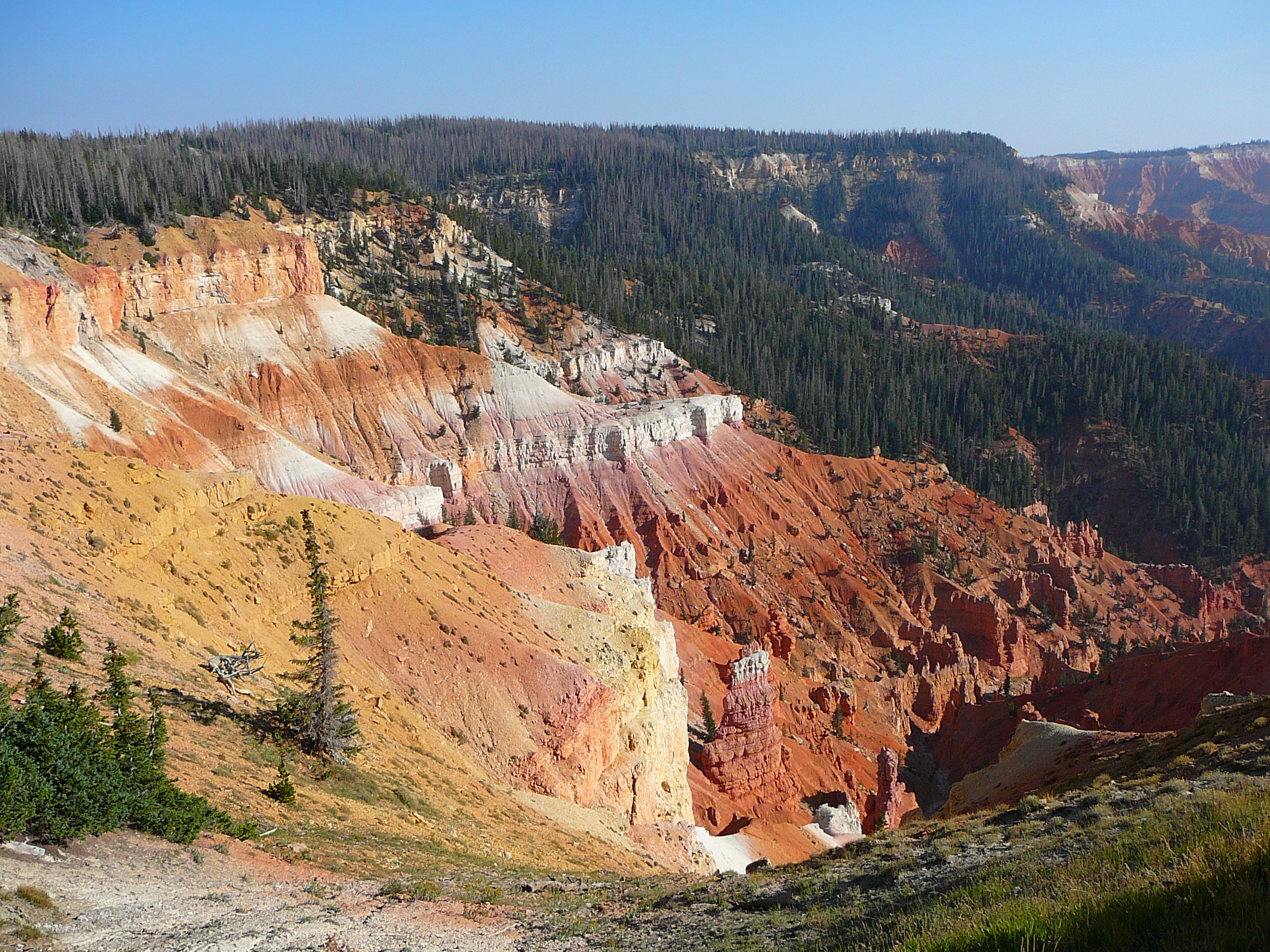
Habitat: Rocky slopes and dry grasslands
The Spiked Ipomopsis is a slender plant often topped with dense, spike-like clusters of many tiny, usually white to cream-colored flowers. Its narrow, sometimes hairy leaves are deeply divided, giving it a delicate, feathery appearance, setting it apart from broader-leafed desert plants.
Category
PlantsRarity
Common
Danger
0/5 · No known danger
Snaps
Be the first to snap!
Its 'spiked' name comes from how its tiny flowers stack up like a fuzzy tower!
Its seeds might wait for years, only sprouting after a wildfire clears the way!
Some tiny bees called Sweat Bees love its nectar, helping it make seeds!
This plant can grow in very dry places where most others can't survive!
Spiked Ipomopsis has a tenacious taproot that helps it find deep water, allowing it to thrive in dry, rocky soils.
Its densely packed, often light-colored flowers act as a bright beacon, attracting busy bees and butterflies to help with pollination.
Spiked Ipomopsis can often survive long dry spells by going dormant, preserving energy until water returns to its habitat.
Bombus mixtus
collects nectar and pollen from flowers
Pieris rapae
sips nectar from the numerous small blooms
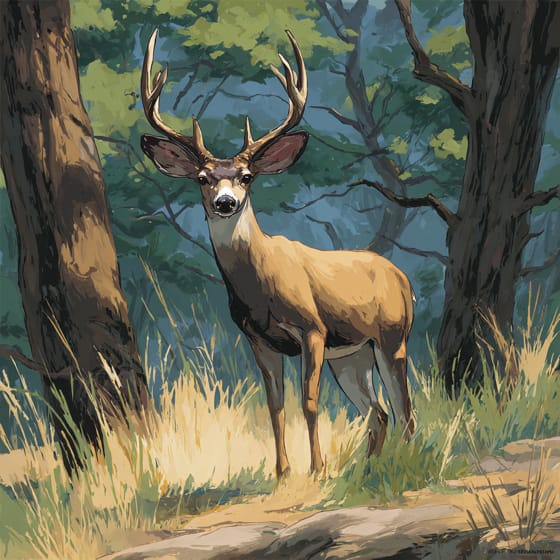
Odocoileus hemionus
browses on the leaves and stems occasionally
Microtus longicaudus
may nibble on plant parts or seeds
Colorful describes organisms or objects displaying a wide range of bright and distinct colors.
Grassland habitats are terrestrial biomes dominated by grasses and herbaceous plants, supporting a variety of grazing animals.
This trait characterizes organisms whose diet consists entirely or primarily of plant material.
Diurnal animals are primarily active during daylight hours, typically resting or sleeping at night.

Describes organisms that transfer pollen, enabling the fertilization and reproduction of plants.
Danger
0/5 · No known danger
No special safety notes yet.
The easiest way to identify Spiked Ipomopsis is to use the Snappit nature identifier app.
10-60 cm
10-30 cm
0.5-1.5 cm
Summer
No
None
Perennial
Zoom in to split clusters and explore where this object has been snapped.
Recent snaps will appear here as new observations are added.
Take the discovery with you
Snap it with Snappit to identify it, learn what makes it special, and add the discovery to your collection.









.jpg&width=800)



_001.jpg&width=800)




