





Winter Honeysuckle
lonicera fragrantissima
Winter Honeysuckle is a colorful plant that blooms even in the cold winter months! Its sweet, fragrant flowers attract delightful butterflies and bees.
Habitat: Winter Honeysuckle can be found in gardens, parks, and along woodland edges.
The Winter Honeysuckle is a multi-stemmed shrub with arching branches. It has small, creamy-white to yellow flowers that bloom on bare stems, often before its blue-green, semi-evergreen leaves fully emerge. Its unique early bloom makes it stand out.
Category
PlantsRarity
Common
Danger
0/5 · No known danger
Snaps
2
Its powerful lemony scent can travel far, filling the chilly winter air!
Native to China, it was first admired in Europe way back in 1845.
This plant is often called "Sweet Breath of Spring" for its early bloom and fragrance.
Though pretty, its red berries are mildly toxic if eaten by humans.
Winter Honeysuckle can bloom in late winter, attracting early pollinators before most other plants are active.
Winter Honeysuckle has an intensely sweet, lemony scent that helps insects find its flowers on chilly days.
Winter Honeysuckle holds onto some of its leaves through winter, allowing it to start photosynthesis earlier in spring.
Apis mellifera
collects nectar and pollen
Bombus impatiens
active early, seeks nectar
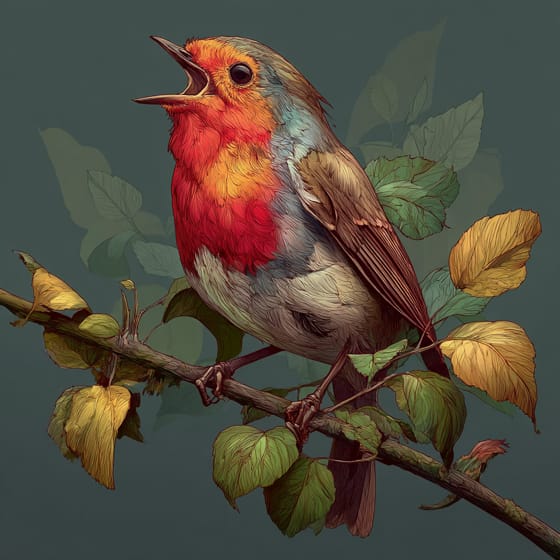
Turdus migratorius
consumes its berries
Colorful describes organisms or objects displaying a wide range of bright and distinct colors.
This trait characterizes organisms whose diet consists entirely or primarily of plant material.
Forest habitats are terrestrial environments dominated by dense tree cover, supporting a high diversity of plant and animal life.
Diurnal animals are primarily active during daylight hours, typically resting or sleeping at night.

Describes organisms that transfer pollen, enabling the fertilization and reproduction of plants.
Danger
0/5 · No known danger
No special safety notes yet.
The easiest way to identify Winter Honeysuckle is to use the Snappit nature identifier app.
200-300 cm
200-300 cm
1-2 cm
Late winter to early spring
No
Mild
Perennial
Zoom in to split clusters and explore where this object has been snapped.

North Carolina, US
You might spot American Robin and Eastern Gray Squirrel.
View guide →

South Carolina, US
You might spot Eastern Pondhawk and Four-Spotted Pennant.
View guide →

Maryland, US
You might spot American Toad, White-Tailed Deer, and Lesser Celandine.
View guide →
Take the discovery with you
Snap it with Snappit to identify it, learn what makes it special, and add the discovery to your collection.








.jpg&width=800)



_001.jpg&width=800)




