





Wisteria
Wisteria sinensis
Wisteria is a beautiful climbing plant with cascading purple flowers that hang in long clusters. It smells sweet and attracts butterflies and bees to its nectar.
Habitat: Gardens, Parks
The Wisteria is a spectacular woody climbing vine known for its incredibly long, cascading clusters of fragrant, pea-like flowers. These lush racemes typically bloom in shades of purple, lavender, or white, creating a breathtaking visual display that drapes over structures. Its strong, twining stems support this vibrant canopy.
Category
PlantsRarity
Common
Danger
2/5 · Low
Snaps
1
Its incredible vines can grow over 20 meters tall and live for hundreds of years!
Some Wisteria species' vines twine clockwise, while others twist counter-clockwise!
The magnificent flower clusters, called racemes, can dangle more than a meter long!
Wisteria vines are so strong they can pull down poorly built structures!
Wisteria can twine its woody stems tightly around supports, allowing it to climb to impressive heights and spread widely.
Wisteria has special root nodules that can convert nitrogen from the air into plant food, enriching the soil around it.
Wisteria can live for over a hundred years, growing stronger and more beautiful with each passing season.
Apis mellifera
Bees collect nectar and pollen from the flowers.
Phyllonorycter wisteriella
Larvae mine tunnels inside the Wisteria leaves.
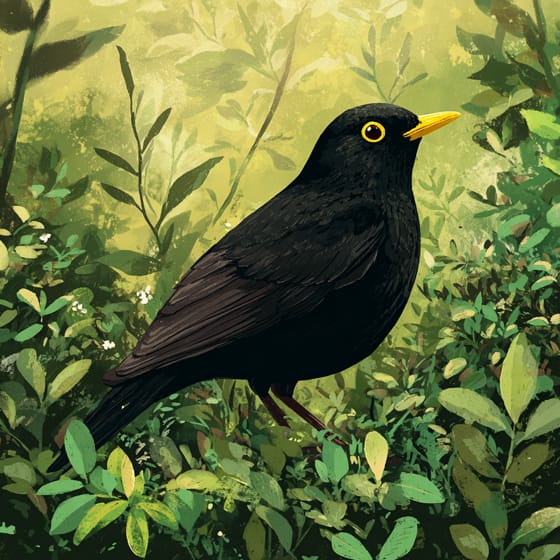
Turdus merula
Dense Wisteria vines provide safe nesting sites.
Mesorhizobium amorphae
Bacteria help fix nitrogen in root nodules.
Climbing or vine plants are characterized by a growth habit that allows them to ascend upwards by twining, tendrils, or adhesive roots.
Deciduous plants periodically shed all their leaves, typically during autumn or dry seasons.
Flowering plants are any plants that produce flowers as part of their reproductive cycle.
Ornamental plants are cultivated primarily for their aesthetic appeal, enhancing landscapes and gardens with their attractive foliage, flowers, or form.

Describing a plant or anatomical structure that droops or hangs downwards.

Cluster flowers are inflorescences where individual flowers are arranged closely together on a common stem.

Spring blooming plants produce their flowers during the spring season, often signifying the end of winter and the start of new growth.

Fragrant flowers emit a pleasant aroma, often to attract pollinators or for defense.

Rapid growing plants exhibit accelerated growth rates, quickly increasing in size and biomass within a short period.

This trait characterizes organisms with an exceptionally long lifespan compared to others of their kind.
Danger
2/5 · Low
Enjoy the beauty of wisteria from a safe distance and avoid touching or eating any part of the plant.
The easiest way to identify Wisteria is to use the Snappit nature identifier app.
1000-3000 cm
500-1500 cm
2-3 cm
Spring to early summer
No
High
Perennial
Zoom in to split clusters and explore where this object has been snapped.

North Carolina, US
You might spot Pine, Sequoia, and Black Locust.
View guide →

Georgia, US
You might spot Roseate Spoonbill and American Alligator.
View guide →
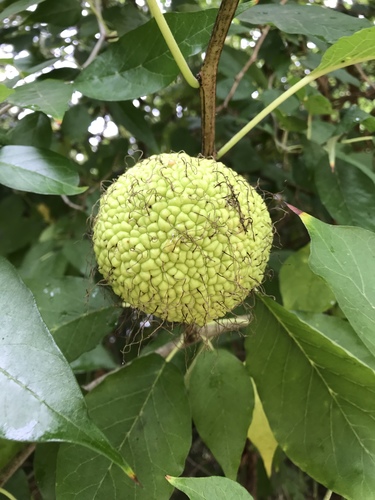
Virginia, US
You might spot Osage-Orange, Willow Oak, and Kousa Dogwood.
View guide →
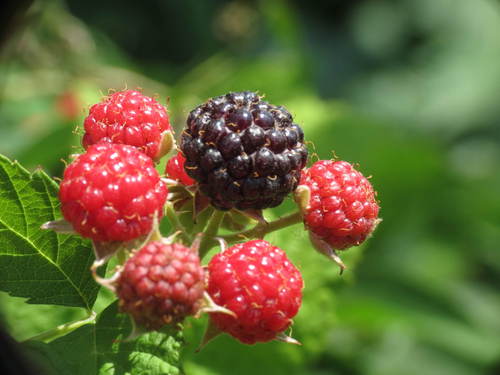
Virginia, US
You might spot Brambles, Redbud Tree, and American Pokeweed.
View guide →
Take the discovery with you
Snap it with Snappit to identify it, learn what makes it special, and add the discovery to your collection.






.jpg&width=800)


_001.jpg&width=800)



