





Yellow Crownbeard
Verbesina occidentalis
The Yellow Crownbeard is a bright yellow flower that grows in sunny places. It has tall stems and can attract butterflies and bees, making gardens colorful and lively!
Habitat: Grasslands
The Yellow Crownbeard has striking bright yellow, daisy-like flower heads, each with a slightly domed center, often appearing in profuse clusters. Its distinctive stems possess noticeable 'wings' or ridges, and the leaves are elongated with a rough, hairy texture. This plant typically forms a tall, bushy clump.
Category
PlantsRarity
Common
Danger
1/5 · Very low
Snaps
3
It's sometimes called 'tickseed sunflower' because of its seed shape!
Its seeds have tiny hooks, helping them hitchhike on passing animals!
Some older common names for it mean 'yellow flower with a crown'!
This plant can help prevent soil erosion with its strong, spreading roots.
Yellow Crownbeard has unique 'winged' stems that help strengthen the plant, preventing it from flopping over in wind and rain.
Yellow Crownbeard produces abundant nectar and pollen, drawing in many different bees and butterflies for pollination.
Yellow Crownbeard can grow rapidly from seeds, allowing it to quickly establish itself in disturbed or open areas.
Apis mellifera
visits flowers for nectar and pollen
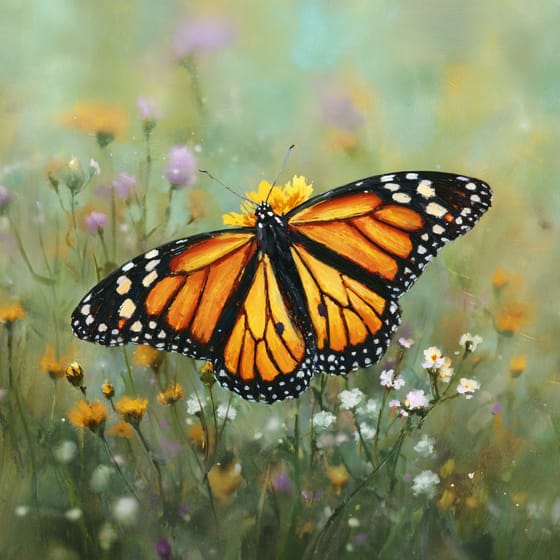
Danaus plexippus
feeds on nectar and aids reproduction

Odocoileus virginianus
browses on leaves and young stems
Hyles lineata
visits flowers at dusk and night
Flowering plants are any plants that produce flowers as part of their reproductive cycle.
Summer blooming plants produce their flowers during the summer season, often providing vibrant color when many other plants have finished.
Fragrant flowers emit a pleasant aroma, often to attract pollinators or for defense.
Colorful describes organisms or objects displaying a wide range of bright and distinct colors.

Grassland habitats are terrestrial biomes dominated by grasses and herbaceous plants, supporting a variety of grazing animals.

Describes plants that are particularly attractive and beneficial to a wide range of pollinating organisms.

Rapid growing plants exhibit accelerated growth rates, quickly increasing in size and biomass within a short period.
No aliases listed yet.
Danger
1/5 · Very low
Always look but don't touch flowers without asking an adult first.
The easiest way to identify Yellow Crownbeard is to use the Snappit nature identifier app.
100-200 cm
60-120 cm
2-5 cm
Late Summer to Fall (July-October)
No
None
Perennial
Zoom in to split clusters and explore where this object has been snapped.

Ohio, US
You might spot Wild Bergamot, Rattlesnake Master, and Eastern Pondhawk.
View guide →

South Carolina, US
You might spot Eastern Pondhawk and Four-Spotted Pennant.
View guide →

North Carolina, US
You might spot Common Watersnake, Fowler's Toad, and Fire Pink.
View guide →

Virginia, US
You might spot Bluegill, Garter Snake, and Eastern Box Turtle.
View guide →

Virginia, US
You might spot American Sweetgum and Japanese Stiltgrass.
View guide →
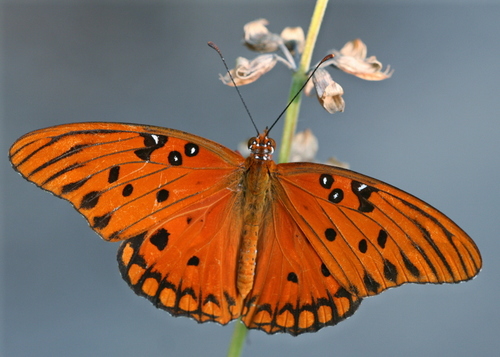
Georgia, US
You might spot Gulf Fritillary and Common Eastern Bumble Bee.
View guide →
Take the discovery with you
Snap it with Snappit to identify it, learn what makes it special, and add the discovery to your collection.








.jpg&width=800)


_001.jpg&width=800)




