A relaxed two-hour visit
Start with the animals your family most wants to see, pause for a picnic or play, then revisit one enclosure before leaving. Adapt your visit to the paths and exhibits open on the day.
 Illustration
Visit Tierpark Westerhausen for an unhurried family outing with animal watching, play breaks and a picnic below the Kuckucksklippe.
Visit Tierpark Westerhausen for an unhurried family outing with animal watching, play breaks and a picnic below the Kuckucksklippe. Start by asking which enclosures and play activities are open, then let everyone choose an animal to spend time with. The park works well when you leave room for a second look rather than hurry from enclosure to enclosure.
Domestic camelids are a good starting point: look for the alpacas and llamas, then compare their outline with the fallow deer and pot-bellied pigs. These are animals in human care, including domestic livestock, rather than wild sightings in the surrounding Harz countryside. There is also a petting area and room for children to play. A small ride-on vehicle area gives families another possible stop; ask about its operation and any extra charge on arrival.
If you remember Westerhausen for its bear, there has been an important change. Teddy moved to BÄRENWALD Müritz in April 2026, and the park is ending bear keeping. Plan your visit around the other animals and the family spaces. Unlock an interactive field guide for this spot: get the Snappit app to identify nature on the go.
The park’s present community role has a clear milestone: on 30 August 2013, the city of Thale handed full responsibility to the Förderverein des Tierparks Westerhausen e.V. The association continues to operate the park. Its work includes maintaining the grounds and improving animal accommodation. The decision to move Teddy to BÄRENWALD Müritz in 2026 is part of the park’s more recent story.
Give the animal watching a simple theme: ears, feet or ways of moving. At each enclosure, ask children to describe one thing before taking a photograph. A quiet pause often makes a better memory than trying to fit every animal into a checklist. Follow the signs at the petting area, let animals choose whether to approach and ask staff before offering any food.
Break the visit with the playground or a picnic, then return to one favourite enclosure. Keep snacks for your family separate from anything staff may permit for animals. The park’s snack outlet, Anja’s Schlemmerinsel, is another option when open, but bring water and a backup snack. For a school or larger family group, call ahead about a staff-led visit; do not assume a feeding or tour is scheduled for ordinary admission.
In winter, make the animals your main plan and keep the visit flexible around daylight and weather. In warmer months, leave extra time for outdoor play. For travel from Blankenburg on 12–23 October 2026, check the HVB diversion: line 230 does not serve Blankenburg Westerhäuser Straße during this period. This is a stop in Blankenburg, not the village of Westerhausen.
If you use a wheelchair, walker or pushchair, call 03946 62708 before travelling to discuss the entrance, path surfaces, slopes and which enclosures you can reach. A fully step-free circuit and accessible toilet details are not confirmed. Ask specifically about the facilities your family needs, including baby changing. Do not plan the visit on the assumption that every path or play activity is accessible.
Spend time watching alpacas and llamas, then compare your observations.
Combine enclosure stops with the petting area, playground and, when operating, ride-on vehicles.
Enjoy an outdoor family stop at the foot of Westerhausen’s rocky hillside.
The local Förderverein has held full responsibility for the park since 2013.
Start with the animals your family most wants to see, pause for a picnic or play, then revisit one enclosure before leaving. Adapt your visit to the paths and exhibits open on the day.
Give each child a different detail to look for: ears, feet or coat. Compare answers after a quiet minute at the enclosure, then make one photograph or a quick sketch. Keep all observation on public visitor paths.
If the ride-on vehicles are operating, ask about the age rules and cost before promising a turn. Treat them as an optional addition, with enough time afterwards for another animal stop.
For a passing shower, concentrate on a few animal stops and take waterproofs. If the weather stays wet, save the playground and longer picnic for another visit.
Look for the alpaca’s face and outline before taking a picture. Watch from the visitor side of the fence and compare what you notice with the llama enclosure.
Choose one llama to watch quietly. Describe its ears, coat and posture; use the enclosure sign to keep its identity separate from the alpacas.
Look across the whole enclosure before zooming in on one deer. Count only animals you can actually see, and leave those resting farther back undisturbed.
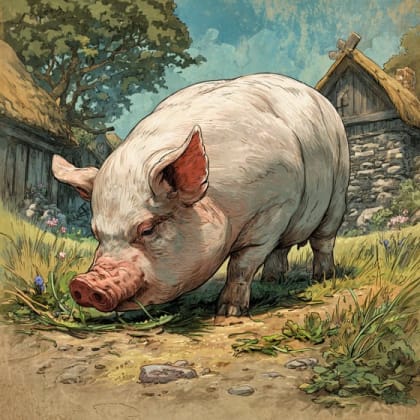
Watch how a pig uses its snout as it explores. These are domestic pigs; the pot-bellied appearance is not a reason to label them wild boar.
The animal suggestions concern captive exhibits. Alpacas, llamas and pot-bellied pigs are domestic animals; the deer are also kept in an enclosure. Individual animals and access to exhibits can change.
Teddy was born at Westerhausen in 1994. Her move to BÄRENWALD Müritz in 2026 followed a decision by the park’s new leadership to give the ageing bear more suitable surroundings. It is a useful starting point for talking with older children about how an animal’s needs can change over its lifetime.
Bring a drink and a simple picnic. Anja’s Schlemmerinsel is the park’s named snack outlet; confirm its hours before relying on it for lunch. Ask at the entrance where the toilets are and whether any changing or accessible facilities meet your needs.
Use the park name and Am Agnetenberg area for navigation. For public transport, compare HVB lines 230 and 252 and include the walk from your chosen stop. Check both the ordinary timetable and the diversion notices; the Blankenburg Westerhäuser Straße stop is suspended for line 230 from 12 to 23 October 2026.
When you call, explain the mobility aid or pushchair you use and ask about the route from parking or the bus stop, entrance thresholds, slopes, surfaces and toilets. Detailed access measurements are not available, so a short planned visit still needs this check.
Each card links to a full Explore page with photos, traits, and fun facts.
Start with the big picture, then zoom in to explore individual wildlife observations around this place.
Find the right park
Navigate to Tierpark Westerhausen in the Am Agnetenberg area of Thale’s Westerhausen district. This is a separate venue from Tierpark Hexentanzplatz.
By bus
HVB line 230 links Wernigerode, Blankenburg, Westerhausen and Quedlinburg; line 252 links Quedlinburg, Westerhausen and Thale. Check the trip for your date, including the walk to the entrance.
Return journey
Save your return connection before entering. Westerhausen Eselstall is a stop on line 230; use the current journey planner to check your best arrival stop.
At the entrance
Confirm the day’s price, payment options, play-ride arrangements and any enclosure restrictions.
Hands and snacks
Wash hands after animal contact and before eating. Leave animals in their rest areas undisturbed.
Family photograph
Photograph from the visitor side of the barrier, and let a hidden animal stay hidden.
Recent snaps will appear here as new observations are added.

North Carolina, US
You might spot American Robin and Eastern Gray Squirrel.
View guide →

Florida, US
You might spot Anhinga, American Alligator, and Wood Duck.
View guide →

New Mexico, US
You might spot Wood Duck, Duck, and Canada Goose.
View guide →

Michigan, US
You might spot African Lion, Komodo Dragon, and Brown Bear.
View guide →
Take the discovery with you
Identify the wildlife you spot, learn as you go, and keep a collection of the adventure.