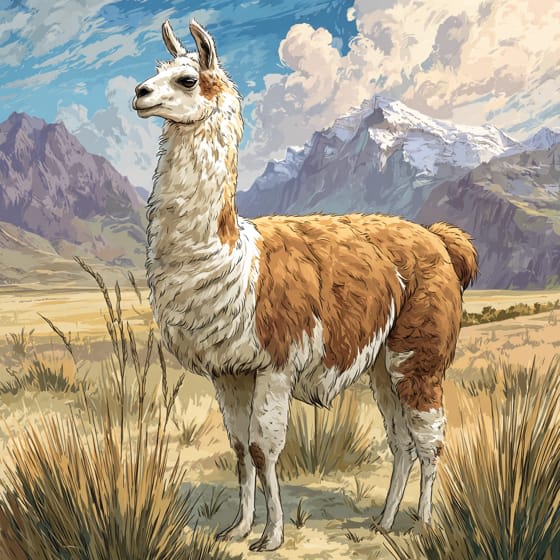





Llama
Lama glama
Llamas are gentle animals that live in the mountains of South America. They have long necks and soft, fluffy fur. Llamas are known for being friendly and curious!
Habitat: Mountain regions
The Llama has a tall, slender body with a long neck and large, erect, banana-shaped ears. Its shaggy coat can be white, brown, black, or dappled, making it look like a fluffy, oversized sheep. It stands out from similar animals by its distinct face and impressive height.
Category
MammalsRarity
Common
Danger
2/5 · Low
Snaps
Be the first to snap!
A llama can carry a backpack full of gear for up to 30 kilometers a day!
Llamas are used as therapy animals because of their calm and gentle nature.
Llamas hum to each other as a way of talking and showing they are happy!
They often use a communal 'poop pile,' all going in the same spot!
Llama can spit green stomach contents far because it helps them warn rivals or show discomfort.
Llama has soft, padded feet that help them grip rocky terrain and walk easily in mountains.
Llama can carry heavy loads up to 30% of their body weight, making them excellent helpers.
Llama has a thick, shaggy double coat that helps them stay warm in cold, high-altitude places.
Llamas are plant-eaters that munch on grasses, leaves, and other vegetation.
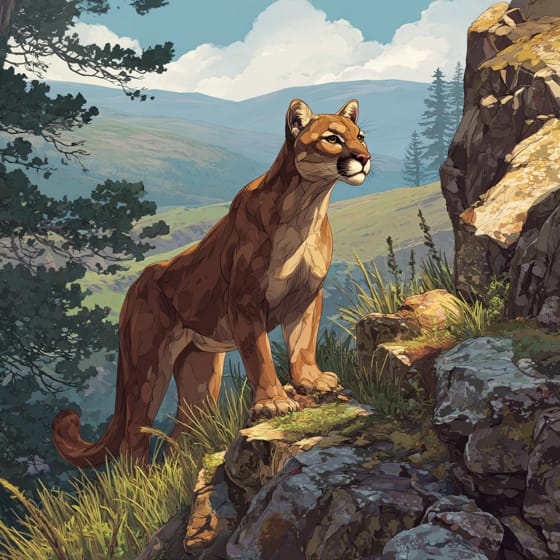
Puma concolor
Can be prey for wild predators in remote, semi-wild settings.
Festuca campestris
A common grass species llamas graze on in Andean pastures.

Vicugna vicugna
Wild relatives sharing similar high-altitude Andean habitats and food sources.
Haemonchus contortus
A common internal parasite that can affect llamas and other ruminants.
Furry describes animals possessing a dense covering of soft hair or fur.
Social animals live in organized groups, cooperating for survival benefits such as foraging, defense, and raising offspring.
This trait characterizes organisms whose diet consists entirely or primarily of plant material.
This habitat trait identifies species found in mountainous regions, characterized by high elevation, steep slopes, and varying climate zones.

Domesticated refers to species that have been selectively bred and tamed by humans for specific purposes.

This trait characterizes organisms with an exceptionally long lifespan compared to others of their kind.
Danger
2/5 · Low
Always be calm and gentle around llamas, and never try to feed them without permission.
The easiest way to identify Llama is to use the Snappit nature identifier app.
150-180 cm
130-200 kg
15-25 years
65 km/h
Llamas are plant-eaters that munch on grasses, leaves, and other vegetation.
Mountain regions
Foraging
Zoom in to split clusters and explore where this object has been snapped.
Recent snaps will appear here as new observations are added.
Texas, US
You might spot African Lion, Tiger, and Black Bear.
View guide →

Iowa, US
You might spot Red Panda, African Lion, and Tiger.
View guide →
Illinois, US
You might spot Bobcat, Canada Lynx, and White-Tailed Deer.
View guide →
California, US
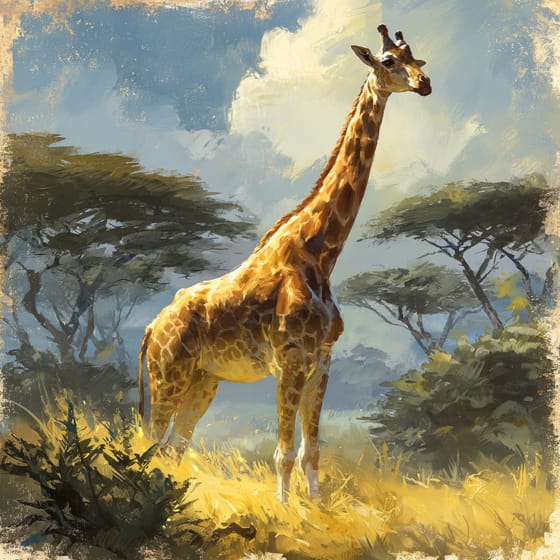
You might spot Giraffes, African Lion, and Tiger.
View guide →

Indiana, US
You might spot Shield Lichens, Sunburst Lichens, Rosette Lichens, and Allies.
View guide →

California, US
You might spot Ant, Chimpanzee, and African Lion.
View guide →
Take the discovery with you
Snap it with Snappit to identify it, learn what makes it special, and add the discovery to your collection.





.jpg&width=800)



.JPG&width=800)


.jpg&width=800)
