American Flamingo

The Palo Alto Junior Museum and Zoo is a delightful escape for young explorers and their families, offering an engaging blend of interactive science exhibits and an intimate zoo experience.
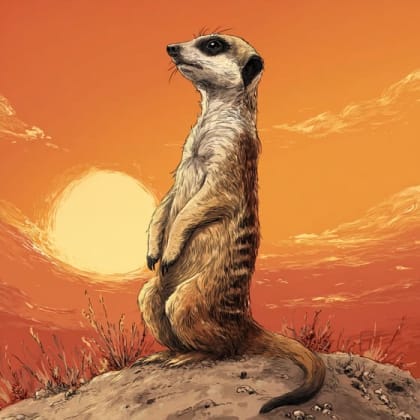
The Palo Alto Junior Museum and Zoo is a delightful escape for young explorers and their families, offering an engaging blend of interactive science exhibits and an intimate zoo experience. This award-winning destination sparks curiosity, encouraging children to discover, create, and play within a stimulating environment. Visitors can immerse themselves in hands-on science displays that make complex ideas tangible and fun, covering principles from physics to biology through interactive elements like giant ball runs and object exploration. Beyond the museum's walls, the thoughtfully curated zoo provides close encounters with over 60 species and 400 specimens, many of which are indigenous or part of rehabilitation programs. Highlights include the captivating Meerkat Desert, where children can crawl through logs for a unique view of the slender-tailed meerkats, and the vibrant Flamingo exhibit, where daily feedings offer a chance to see these majestic birds up close. The California Dinosaur Garden transports visitors to prehistoric times with life-sized dinosaur sculptures, a fossil dig, and interpretive exhibits built around a living dawn redwood tree. With its focus on education and conservation, the Palo Alto Junior Museum and Zoo creates a memorable experience that nurtures young scientists and animal advocates alike. Explore the grounds like a pro—download the Snappit app to instantly identify animals and plants.
The Palo Alto Junior Museum and Zoo boasts a rich history, beginning in 1934 when Palo Alto resident Josephine O'Hara founded the Junior Museum in the basement of a local elementary school. Inspired by similar institutions on the East Coast, it quickly became the first children's museum of its kind west of the Mississippi River. The museum's initial goal was to provide engaging activities for the area's youth during the Great Depression. In 1941, the museum found a permanent home in Rinconada Park, supported by a gift from the Margaret Frost Foundation and land offered by the City of Palo Alto. The zoo component was added in 1969, expanding its mission to include wildlife observation and conservation. Over the decades, community support grew, leading to the formation of the "Friends of the Palo Alto Junior Museum & Zoo" in 1990, a non-profit dedicated to funding programs and services. After extensive planning and a successful $25 million fundraising campaign, the venue underwent a major reconstruction project, reopening in 2021 as a modern, expanded, and highly accessible facility.
Engage with the interactive science exhibits, watch animal behaviors in the zoo, participate in keeper talks (often held at the Wildlife Circle), and explore the various animal habitats like Raccoon Creek, Tortoise Savannah, and Lemur Forest. Children can enjoy crawling through a tunnel to see meerkats up close or digging for "fossils" in the dinosaur garden.
Animals tend to be more active in the mornings, making early visits particularly rewarding. During warmer months, morning visits also offer cooler, more comfortable temperatures. The venue primarily focuses on year-round exhibits and educational programs.
The Palo Alto Junior Museum and Zoo is designed to be highly accessible for all visitors. It is wheelchair accessible throughout, with many exhibits featuring multiple access points. The Tree House includes a wheelchair-accessible elevator, and there are transfer stations at climbing nets, the underwater tunnel, and the gravel dig. Accessible restrooms with adult and infant changing tables, as well as a family restroom, are available. Wheelchairs and wheelchair tables can be borrowed, and seating is provided across the museum and zoo. Large print and tactile 3D maps, braille-inclusive labels with QR codes for audio recordings, and Animal Tactile Touch Kits are also offered. Discounted tickets are available for visitors with disabilities and their immediate families.
Don't miss the interactive Tree House, which features climbing nets and a wheelchair-accessible elevator.
The California Dinosaur Garden, with its climbable dinosaur sculptures and fossil dig, is a popular outdoor attraction.
Be sure to observe the playful Slender-tailed Meerkats, and if timing allows, catch the daily Flamingo feeding.
The indoor science exhibits offer engaging hands-on activities exploring concepts like gravity and motion.
Each card links to a full Explore page with photos, traits, and fun facts.
Start with the big picture, then zoom in to explore individual wildlife observations around this place.
Book Tickets Online in Advance
Always purchase your tickets and select a timed entry slot online before your visit, especially for weekends or holidays, as walk-up tickets are not available and popular times sell out.
Arrive Early
Plan to arrive shortly after opening (10 AM) on weekdays to experience fewer crowds and see the animals at their most active.
Check Daily Schedules
Consult the official website for current hours, special events, and scheduled animal encounters or feeding times, such as the daily Flamingo feeding, to maximize your visit.
Explore Rinconada Park
Take advantage of the adjacent Rinconada Park for picnics, additional playtime, or a relaxing break, which can extend your family's outing.
Wear Comfortable Shoes
You'll be doing a fair amount of walking and exploring both indoor and outdoor exhibits, so comfortable footwear is recommended.
Consider Leaving Strollers at Home
Due to limited space, especially in certain exhibit areas, it's advised to consider leaving strollers at home if possible.
Recent snaps will appear here as new observations are added.

Michigan, US
You might spot African Lion, Komodo Dragon, and Brown Bear.
View guide →
.jpg)
Municipal District of Cobh, IE
You might spot Ring-Tailed Lemur, Giraffes, and Cheetahs.
View guide →

Nouvelle-Aquitaine, FR
You might spot Greater Flamingo, Giraffes, and Red Panda.
View guide →

Texas, US
You might spot Giraffes, African Lion, and Eastern Black Rhinoceros.
View guide →