Snappit logo
Snappit
Get App
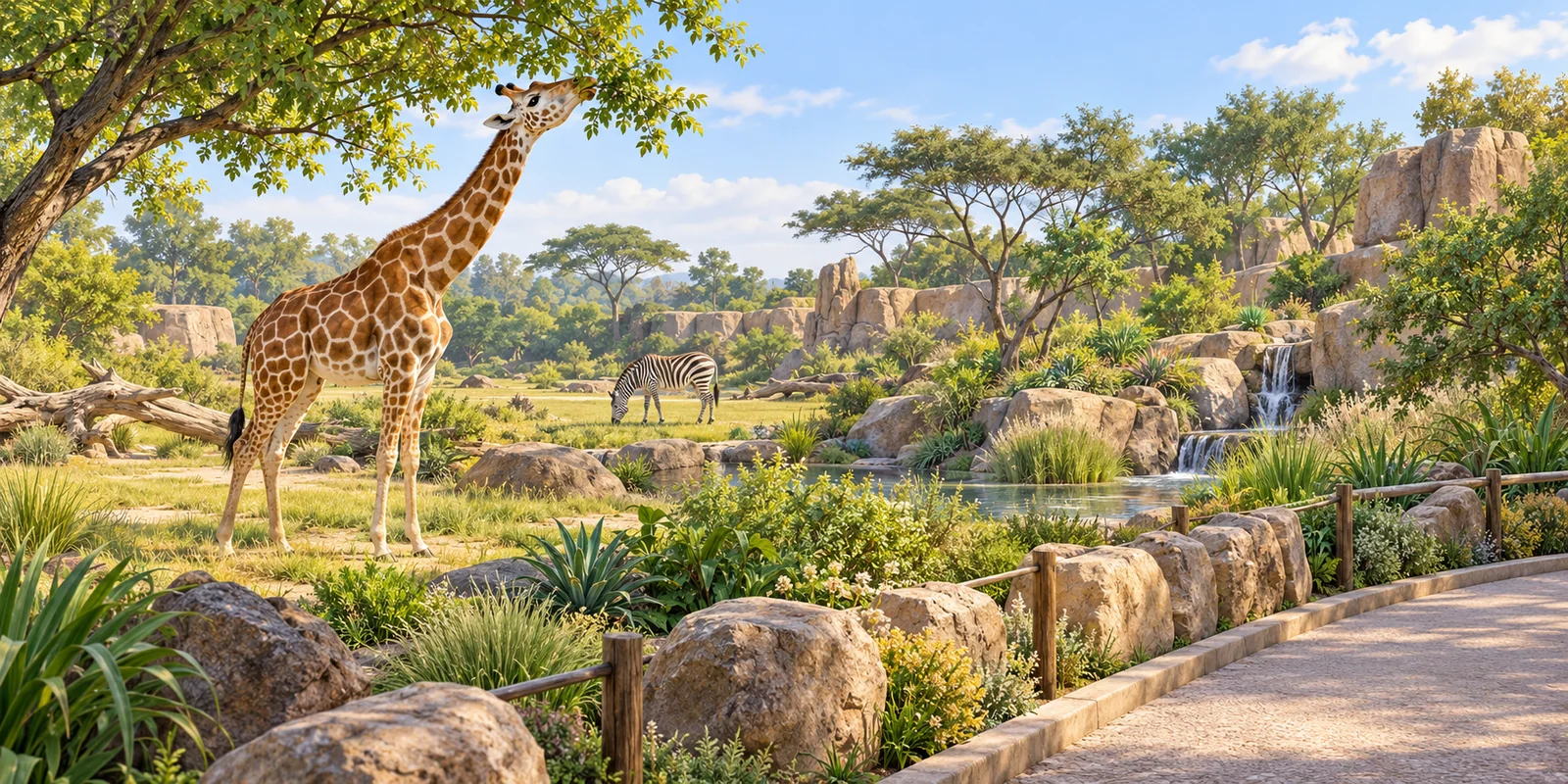
Generic illustration, not a photograph of this venueIllustration
ZooThüringen, Germany

Tierpark Gotha

Come to Tierpark Gotha for an unhurried animal-watching walk with wolves, lynxes and small-clawed otters, close to Gotha’s town centre.

About

Come to Tierpark Gotha for an unhurried animal-watching walk with wolves, lynxes and small-clawed otters, close to Gotha’s town centre. The roughly six-hectare zoo sits beside the wooded Kleiner Seeberg. Its main visitor path is about 1.7 km long, making it easy to mix a few favourite animals with time to play. Start by checking the day’s feeding programme and deciding which stop your family most wants to linger at.

The Wolfshügel and kleiner Luchsturm viewpoints invite a patient look into the predator enclosures. At the lynxes, resist moving on after a quick glance: a resting animal can be much harder to find than one crossing the enclosure. Gotha’s young Eurasian lynxes Baltor and Raija arrived in March 2026, and their different reactions to their naming celebration showed how individual these cats can be.

The smaller residents deserve just as much time. Watch the otters together, look for the black ear tufts of the marmosets, and compare a pelican’s careful feather-cleaning with the busier movements of a meerkat. Two playgrounds and a petting area give children a change of pace. These are zoo animals in human care; the alpacas and other domestic animals are part of that collection.

There is a conservation story behind the enclosures too. Lynxes born here in 2018 later joined a release project in north-western Poland. That gives a visit to the lynx enclosure a useful question to explore together: what would this animal need to live in a forest? Wondering what that bird or insect is? Find out on your visit using the Snappit nature app.

The zoo’s roots lie in a city council decision on 20 April 1926 to lease land by the Fischhaus to the aquarium and terrarium enthusiasts’ association DANIO. Local voluntary effort helped it develop. A commemorative plaque installed for the 2026 centenary recalls that beginning.

What to do here

Choose the wolf and lynx viewpoints for your longer watching stops, then use the park plan to link the meerkats, pelicans, wallabies and otters. Fit in the marmoset feeding if the day’s programme allows, with a playground break before attention begins to fade. At one enclosure, let everyone choose a detail to watch: a nose searching, a paw moving or a bird working through its feathers. If an animal stays hidden, try its enclosure sign’s QR video and return later. Since 24 August 2026, the entrance has moved to Töpfleber Weg during parking works; follow the new entrance signs and check the official arrival notice before travelling.

Seasonal info

The published 2026 hours are 09:00–18:00 until 24 October, changing to 09:00–16:00 on 25 October. Recheck before setting out, especially around special events. Bring layers for long outdoor viewing stops in the colder months. In warm weather, alternate animal-watching with shaded breaks rather than trying to hurry through every enclosure.

Accessibility

The main paths are broad, firm-surfaced and described by the zoo as level, suitable for pushchairs, wheelchairs and other mobility aids. An accessible toilet with baby-changing facilities is beside the wolf enclosure. Step-free access to animal houses and catering areas is still being improved, so do not assume every building or raised viewpoint is accessible. Before visiting with particular access needs, call 03621 510460 to check the temporary entrance approach and the facilities you want to use.

Don't miss

1

Wolf and lynx viewpoints

Take time at the Wolfshügel and kleiner Luchsturm to look into the enclosures.

2

Small animals, close attention

Watch otter interactions, marmoset movements and the meerkats’ lookout behaviour.

3

A manageable family walk

Combine the roughly 1.7 km visitor path with two playgrounds and the petting area.

4

Conservation with a local story

Discover how animals bred in Gotha have contributed to release projects.

Walks and routes

A family walk with time to watch

Use the current entrance signs, then choose an order that fits the day’s feeding programme. Include the wolf and lynx viewpoints, the pond-side animals and a playground break; return to a favourite enclosure if time allows.


A family walk with time to watch

A shorter visit with small children

Choose the otters and one other favourite, add a playground stop and leave room to walk back without rushing. If a feeding fits, make it your main appointment; otherwise let the children’s interest set the pace.

A slower afternoon

Start with the marmoset and otter sessions if they are running, pause at the café, then spend longer at the wolf and lynx viewpoints. Keep enough time to leave before winter closing, and revisit an enclosure only if everyone still has energy.

Things to try

One useful question for a keeper

Before a feeding, let each child choose one question. What does an otter do with its paws? Why do marmosets need different foods from wolves? Listen to the explanation, then see whether you can spot the behaviour afterwards.

A shorter walk between showers

Ask staff which indoor animal areas are open and build a smaller selection around those. Waterproofs are still useful between buildings. If it rains steadily, save the longer outdoor watching and playground time for another visit.

Wildlife and habitats

Pause at the public viewpoint and scan the enclosure slowly before looking for movement. Baltor and Raija are Eurasian lynxes; give a resting or more cautious animal space rather than calling it over.

Use the Wolfshügel to watch the whole enclosure, then focus on one wolf’s posture and its distance from the others. The published Sunday feeding can add a keeper’s explanation; check whether it is running.

Watch both the water and the land, and listen quietly for contact calls. Look at how the otters use their front paws. The daily keeper feeding is a useful opportunity to learn about the family group.

Look for the dark tufts at the sides of the head and follow one animal as it moves through its enclosure. At the keeper session, ask how the zoo provides food for a primate adapted to feeding on tree gum.

Try a quiet counting game: how many are looking around, moving or investigating the ground? Their upright lookout posture is worth waiting for, but do not expect every animal to be doing the same thing.

Watch for bathing and feather care as well as swimming. A pelican at rest offers a good chance to compare its long bill with the pouch beneath it. Keep your camera on the visitor side of the barrier.

Remember to look above ground: the North American porcupine is a capable climber. It is largely nocturnal, so a daytime stop may be a study of a resting animal. Come back later if it is hidden.

Watch the alpacas as a group and compare their outlines and fleece. These are domesticated South American camelids. Observe from the public path; their presence does not by itself mean the enclosure is a contact area.

Look for the wallaby’s rounded outline before waiting for it to move. Bennett’s wallabies are the Tasmanian form of the red-necked wallaby, with dense fur suited to cooler conditions; a resting animal can be easy to overlook.

The animals listed here live in the zoo’s care, including domestic alpacas. Watching suggestions are for public visitor areas; any individual may be out of sight.

Stories and discoveries

From Gotha to a forest release

The zoo’s conservation work has included lynxes bred in 2018 that entered a Polish release project the next year. It has also contributed owls to release programmes. The animals you see here remain in human care; the release work is a separate part of the story.

A century began with a lease

The centenary plaque recalls the 1926 decision to lease land to DANIO. Look for it during your visit and imagine how a local group of aquarium and terrarium enthusiasts grew into today’s zoo.

When to visit

Keep the final hour free of big plans

From 25 October 2026, the published winter closing time is 16:00, with last admission at 15:15. Some residents move to their sleeping quarters around last entry. Arrive early enough that a hidden animal does not turn your last stop into a hurried wait.

Getting there and practical advice

Food, play and changing

The Tierpark-Café lists daily opening from 10:00 to 16:00; recheck before relying on a meal there. Two playgrounds give children space to move between animal stops. The accessible toilet beside the wolves includes a changing place.

The last part of the journey

Use Gotha Hauptbahnhof for rail journeys or Tierpark as the bus-stop name in the VMT planner. Both involve a walk to the zoo. With the entrance moved to Töpfleber Weg, leave extra time and follow the current on-site signs rather than an older map’s entrance marker.

Check the entrance as well as the paths

Ask specifically about the temporary entrance surface, the buildings you hope to visit and access to the raised viewing areas. For free companion admission, the ticket page specifies a B or H mark on the German disability pass; check eligibility before buying.

Sources and useful links

Wildlife you might spot

9

Each card links to a full Explore page with photos, traits, and fun facts.

Snap map for this place

Start with the big picture, then zoom in to explore individual wildlife observations around this place.

Loading map…

Good to know before you go

Use the changed entrance

Head for the signed Töpfleber Weg entrance during the parking works. The older entrance shown on the July 2025 plan is out of use.

Arrive by public transport

Gotha Hauptbahnhof and the Tierpark bus stop both require an onward walk. Use the current rail or VMT journey planner, then follow the temporary entrance signs.

Check parking before driving

The zoo’s address is Töpfleber Weg 2, 99867 Gotha. Consult the official arrival page while the visitor parking area is being expanded.

Compare family tickets

Online tickets and family admission are offered; children under three enter free. Bring the required proof for concessions and check the current admission page.

Keep a food break flexible

There is a Tierpark-Café. Check its hours rather than assuming it stays open until the zoo closes.

Let animals set the pace

Stay behind barriers, keep voices low and never tap glass to attract attention. Follow staff instructions in the petting area.

Dogs need planning

Dogs are allowed on a short lead with their own ticket. Keep at least five metres from free-roaming animals and clear up after your dog.

Frequently asked questions

Check with the zoo first. New tigers were announced for October 2026, but their arrival and public viewing may not coincide. Do not rely on older tiger photographs or the July 2025 plan when arranging a tiger-focused trip.
Light showers need not spoil a short visit, but most of the walk is outdoors. Ask which animal houses are open, take waterproofs and shorten the route if needed. The café can provide a break during its opening hours.
Yes. The keeper sessions include a short explanation and an opportunity for questions at the animal’s enclosure. Times can change at short notice, so choose one session and leave the rest of your walk flexible.
Give it time, try another public viewing position and return later. QR codes on enclosure signs link to short species videos, which can keep children curious without disturbing the animal.

Recent snaps at this place

Recent snaps will appear here as new observations are added.

View all ›

Take the discovery with you

Exploring Tierpark Gotha?

Identify the wildlife you spot, learn as you go, and keep a collection of the adventure.

  1. 1Spot it
  2. 2Snap it
  3. 3Keep the discovery