Eastern Fence Lizard
Sceloporus undulatus
The Eastern Fence Lizard is a spiky lizard that loves to bask on fences and rocks. It has a rough texture and can be very fast.
Habitat: Open woodlands and fields.
The Eastern Fence Lizard has rough, spiny scales ranging from gray to brown, often with wavy, dark crossbands. Males are easily identified by vibrant blue patches on their throat and sides, which females typically lack or have very faintly.
Category
ReptilesRarity
Common
Danger
2/5 · Low
Snaps
8
Male fence lizards perform push-ups to show strength and attract female mates! Wow!
Their rough, spiky scales help them grip tree bark like tiny rock climbers! Wow!
These lizards often bask on warm rocks or logs to soak up the sun's energy! Wow!
They can lay up to two batches of eggs in a single summer season! Wow!
Eastern Fence Lizard can blend seamlessly with tree bark and rocks because of its patterned scales that help them disappear from predators.
Eastern Fence Lizard has a special tail that can detach and wiggle, helping them escape when caught by a predator.
Eastern Fence Lizard males flash bright blue patches on their throat and sides to attract mates and show dominance to rivals.
These speedy hunters mostly eat small insects and spiders they find in their environment!

Popillia japonica
a common garden pest
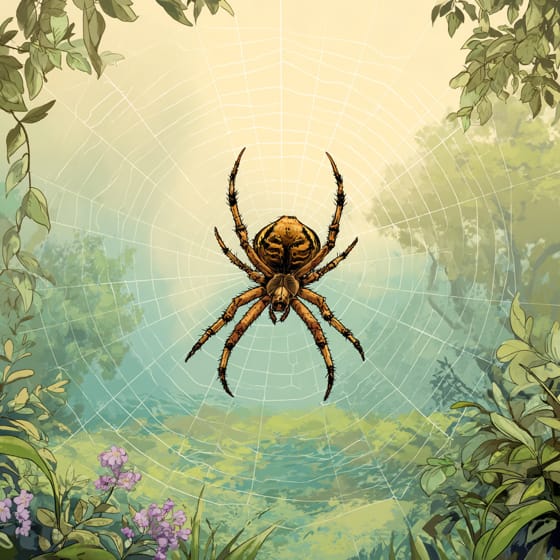
Argiope aurantia
a large, web-building spider
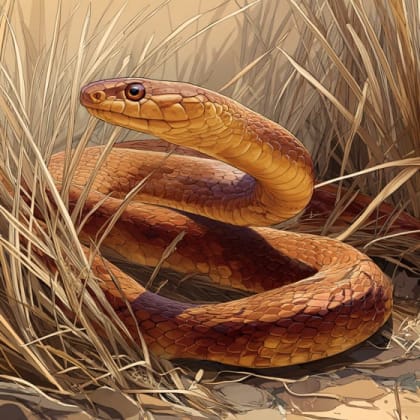
Pantherophis obsoletus
a common snake predator
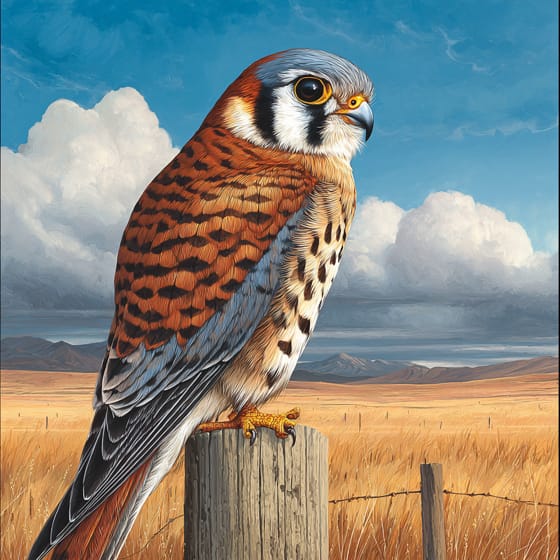
Falco sparverius
a small, swift bird of prey
Wildlife encompasses all undomesticated animal and plant life existing in their natural habitats.
Camouflaged describes organisms that possess coloring or patterns that allow them to blend into their environment.
This trait identifies organisms whose diet primarily consists of insects and other small invertebrates.
Forest habitats are terrestrial environments dominated by dense tree cover, supporting a high diversity of plant and animal life.

Diurnal animals are primarily active during daylight hours, typically resting or sleeping at night.

This trait identifies organisms that exhibit exceptional swiftness in movement for hunting, escape, or travel.
Danger
2/5 · Low
Look but don’t touch. Keep a safe distance and wash hands after exploring.
10-18 cm
0.005-0.015 kg
2-5 years
12 km/h
These speedy hunters mostly eat small insects and spiders they find in their environment!
Open woodlands and fields.
Ambush
4-17
Zoom in to split clusters and explore where this object has been snapped.

North Carolina, US
You might spot Spiny Spikemoss, Mountain Laurel, and Longleaf Pine.
View guide →
New Jersey, US
You might spot Pitch Pine, Duck, and Gallberry.
View guide →

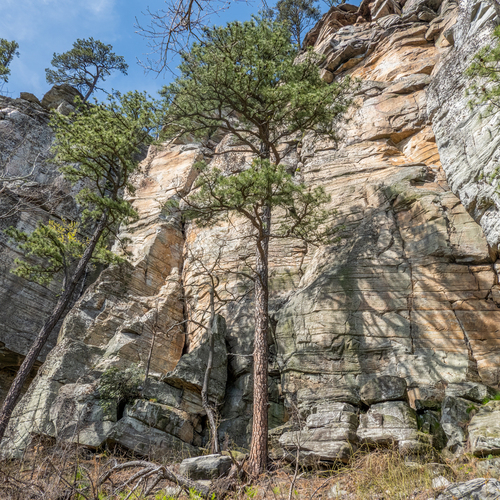
North Carolina, US
You might spot American Turkey Oak, Longleaf Pine, and Spiny Spikemoss.
View guide →