



Blue Spruce
Picea pungens Engelm.
The Blue Spruce is a beautiful tree with bluish-green needles. It has a nice shape and is often planted in yards.
Habitat: Mountains and gardens
The Blue Spruce has stiff, sharp needles that are a distinctive silvery-blue or bluish-green. Its striking pyramidal shape makes it easily recognizable. The bark is gray-brown, developing scaly plates with age, contrasting with its vibrant foliage.
Category
TreesRarity
Common
Danger
1/5 · Very low
Snaps
Be the first to snap!
Each individual needle can stay on the tree for 4 to 10 years before falling off!
It's the official state tree of both Colorado and Utah in the USA!
Its scientific name "pungens" means "sharp," perfectly describing its spiky needles!
The cones hang downward from the branches, unlike some other spruce tree types!
Blue Spruce has a special waxy coating on its needles that helps it save water and survive dry weather.
Blue Spruce has stiff, sharp needles that deter hungry animals from nibbling on its branches.
Blue Spruce has a strong, deep root system that helps it stand firm against powerful winds.
Tamiasciurus hudsonicus
eats seeds from mature cones
Loxia curvirostra
uses its beak to extract seeds from cones
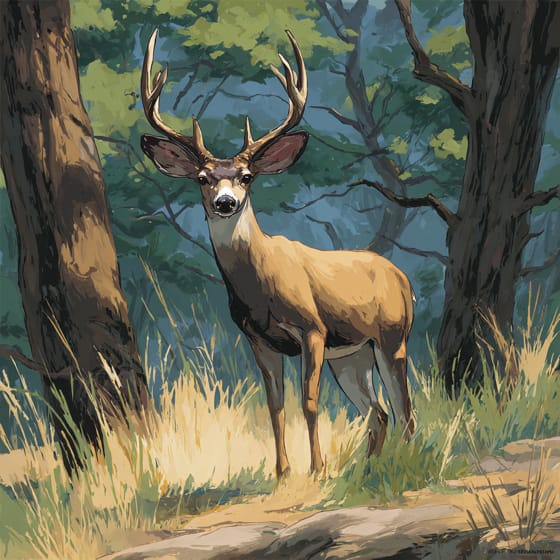
Odocoileus hemionus
browses on young saplings and lower branches
Phellinus pini
causes decay in the heartwood of the tree
Cold hardy plants are able to withstand low temperatures and freezing conditions without significant damage.
Coniferous plants are typically evergreen, bearing needles or scales and reproductive cones.
Evergreen plants retain their foliage throughout the year, never shedding all their leaves at once.
Fragrant flowers emit a pleasant aroma, often to attract pollinators or for defense.

This habitat trait identifies species found in mountainous regions, characterized by high elevation, steep slopes, and varying climate zones.
Danger
1/5 · Very low
Do not pick or eat anything you find. Some plants and mushrooms can be harmful.
25-45 m
6-12 m
No
60-150 cm
150-600 years
Mountains and gardens
Cone
Medium
Zoom in to split clusters and explore where this object has been snapped.
Recent snaps will appear here as new observations are added.