





Pecan Tree
Pseudhomalopoda
The Pecan Tree is a tall tree that produces tasty pecans. These nuts are often used in pies and are great for snacking!
Habitat: Rich, well-drained soils
The Pecan Tree has a majestic, spreading canopy and distinctively furrowed, grayish-brown bark. Its long, compound leaves consist of multiple slender, pointed leaflets, creating a lush green appearance in summer. The oval, reddish-brown nuts grow in clusters, encased in a green husk that splits open when ripe.
Category
TreesRarity
Common
Danger
1/5 · Very low
Snaps
Be the first to snap!
Did you know the word "pecan" comes from an Algonquin word meaning "a nut requiring a stone to crack"?
Pecan pie is a super famous dessert, especially popular during holidays in America!
Pecan wood is incredibly strong and beautiful, often used to make furniture and flooring!
Pecans are the state tree of Texas, celebrated for their delicious nuts!
Pecan Trees have a very deep taproot that helps them access water deep underground, ensuring survival during dry periods.
Pecan nuts are protected by a tough outer husk that shields them from pests and harsh weather until they are ripe.
Pecan Trees release vast amounts of pollen into the air, carried by wind to fertilize other trees for reproduction.
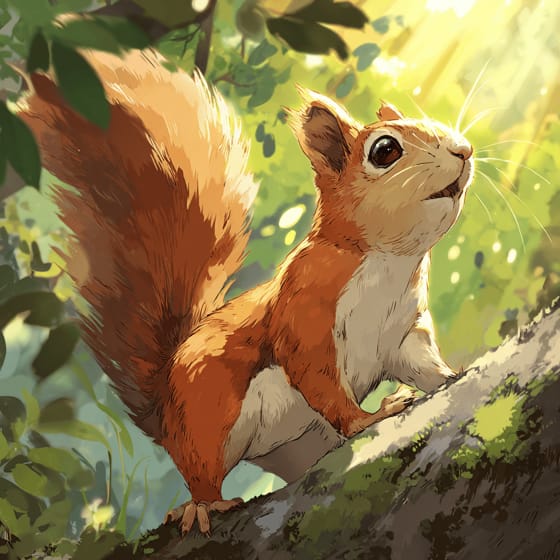
Sciurus carolinensis
Cracks and eats pecan nuts
Curculio caryae
Larvae feed inside developing nuts
.jpg&width=800)
Sitta carolinensis
Nests in cavities and forages on bark

Odocoileus virginianus
Browses on young pecan saplings
Deciduous plants periodically shed all their leaves, typically during autumn or dry seasons.
Nut bearing plants produce hard-shelled fruits, commonly known as nuts, which contain a single seed and are a valuable food source.
A fruit tree is a perennial tree that produces fruit, which is edible to humans or animals.
Edible plants are those parts of a plant that are considered safe for human consumption.

Forest habitats are terrestrial environments dominated by dense tree cover, supporting a high diversity of plant and animal life.

This trait characterizes organisms with an exceptionally long lifespan compared to others of their kind.

Describes a species whose presence and role have a disproportionately large effect on its environment.
No aliases listed yet.
Danger
1/5 · Very low
Do not pick or eat anything you find. Some plants and mushrooms can be harmful.
The easiest way to identify Pecan Tree is to use the Snappit nature identifier app.
20-40 m
15-25 m
Yes
60-120 cm
150-300 years
Rich, well-drained soils
Nut (botanically a drupe)
Zoom in to split clusters and explore where this object has been snapped.
Recent snaps will appear here as new observations are added.
Take the discovery with you
Snap it with Snappit to identify it, learn what makes it special, and add the discovery to your collection.










